
Trump’s global tariff pause ended without a clean off-ramp
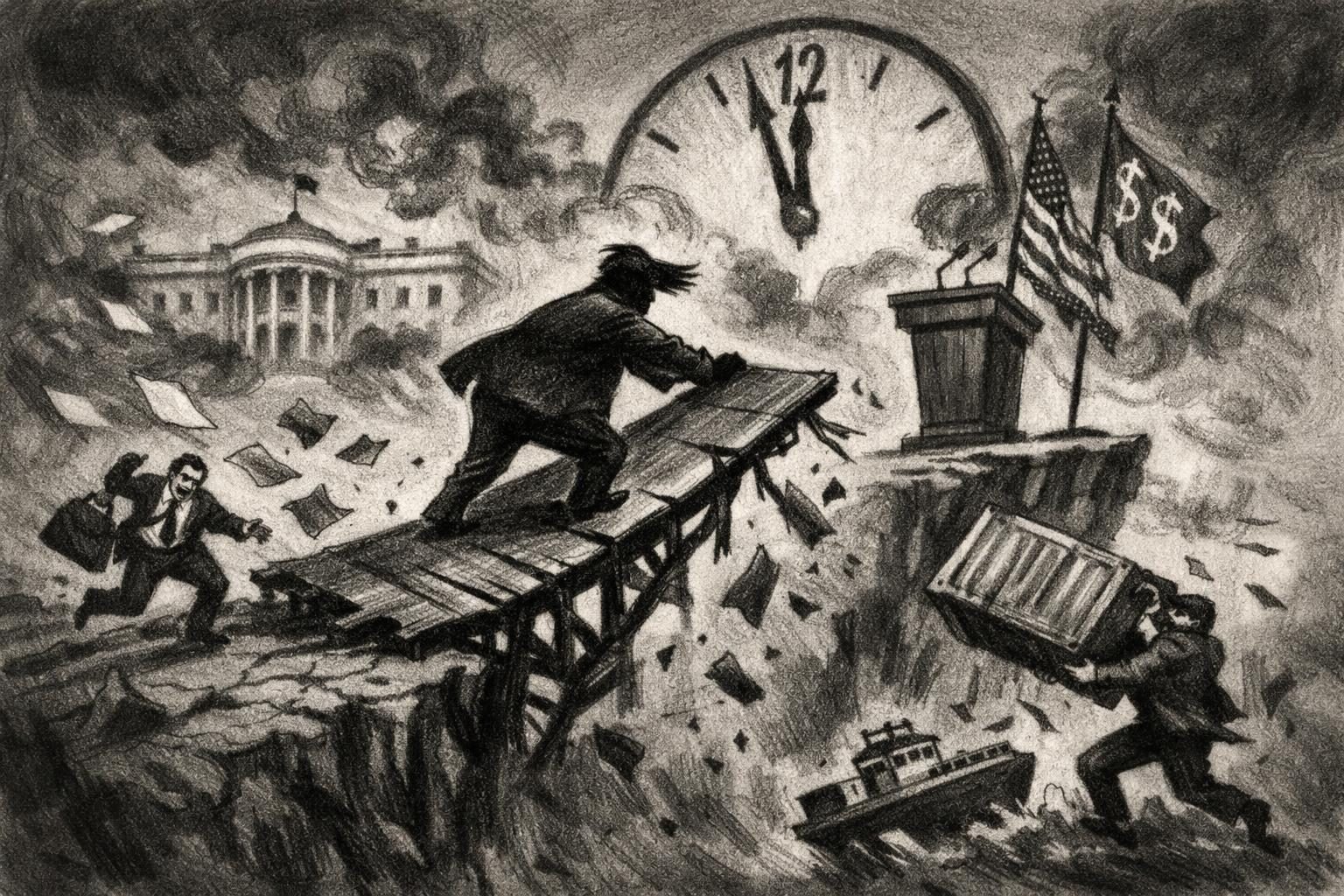
Trump’s 90-day pause on sweeping global tariff hikes hit its July 9 deadline without delivering anything resembling a clean handoff to the next phase of trade policy. That fact was never hidden; the White House had already put the expiration date in writing and made clear that the temporary suspension was set to end at 12:01 a.m. Eastern on July 9. What was less reassuring was the administration’s apparent comfort with letting the clock run out while businesses, traders, and foreign governments waited for some sign of a stable landing zone. A deadline can be technically clear and still be operationally messy, and this one was both. The result was not a surprising policy shift so much as a familiar Trump-style scene in which the government treats a major economic transition like a pressure test for everyone else. For importers and manufacturers, that is not a thrilling display of resolve. It is a reminder that trade policy under this White House can look less like a system and more like a series of abrupt, self-created cliffs.
The problem is not simply that tariffs are controversial or that the administration wants to use them as leverage. The deeper issue is that a pause is supposed to create breathing room, and this one did the opposite once the end date approached. Companies that depend on predictable lead times do not plan around vibes, and they certainly cannot base pricing, inventory, or contract decisions on a constantly shifting sense of what the president may or may not do next. The White House’s own public materials made clear that reciprocal tariffs and other import duties were already part of Trump’s broader trade agenda, which means the pause was never an isolated administrative convenience. It was a temporary suspension inside a larger strategy built around pressure, escalation, and uncertainty. That may be politically useful when the goal is to demonstrate toughness, but it is a lousy way to run a trading system that depends on stability. If the next move is unclear, then the pause stops functioning as policy and starts functioning as a suspense device. Businesses are left to guess whether they should absorb costs, raise prices, reroute orders, or simply wait and hope the policy weather improves.
That uncertainty also spills well beyond corporate balance sheets. Foreign governments are left trying to read American trade policy through scattered statements, deadline announcements, and whatever tone the president happens to strike on a given day. That is not strategic clarity, no matter how often the administration frames it as leverage. It is a rolling uncertainty premium that gets priced into shipments, negotiations, and planning cycles. The White House can call the expiration of the pause a deliberate move, and in a narrow sense it is right: the date was known, the clock was visible, and the transition was not accidental. But there is a difference between a policy being planned and a policy being manageable. The Trump approach seems to depend on proving that the president can force attention by making a deadline unavoidable, then counting on everyone else to treat the disruption as a form of bargaining power. That may thrill supporters who see chaos as evidence of strength. It does not make supply chains more efficient, trade talks more orderly, or pricing more predictable. It just means the people moving goods across borders have to carry the cost of a decision they did not make.
This episode is not the largest political headache in Trump’s orbit, but it is one of the clearest examples of how his trade style works in practice. The administration likes deadlines, likes pressure, and likes the idea that uncertainty itself can be a weapon. What it does not seem to like nearly as much is the unglamorous part where policy is supposed to transition cleanly from one stage to the next. Instead, the pattern is familiar: announce the clock, let the clock run, and then act as though the fact that everyone saw the deadline coming somehow proves the system is disciplined. It does not. It proves the opposite, because the real test is not whether a date arrives on schedule. The real test is whether anyone can function around it without being forced into emergency mode. In this case, the answer appears to be no. Markets hate ambiguity, trading partners hate improvisation, and voters eventually get the bill when costs rise or plans are delayed. Trump may prefer to frame that as leverage. A more honest reading is that his administration keeps manufacturing policy drama and then calling the aftermath a show of strength. If the White House wants disruption to be taken seriously as strategy, it should at least make the disruption legible enough for the rest of the economy to survive it."}]}
Comments
Threaded replies, voting, and reports are live. New users still go through screening on their first approved comments.
Log in to comment
No comments yet. Be the first reasonably on-topic person here.