
DOJ’s Settlement Release Turns a Case Closing Into a Free-Speech Victory Lap
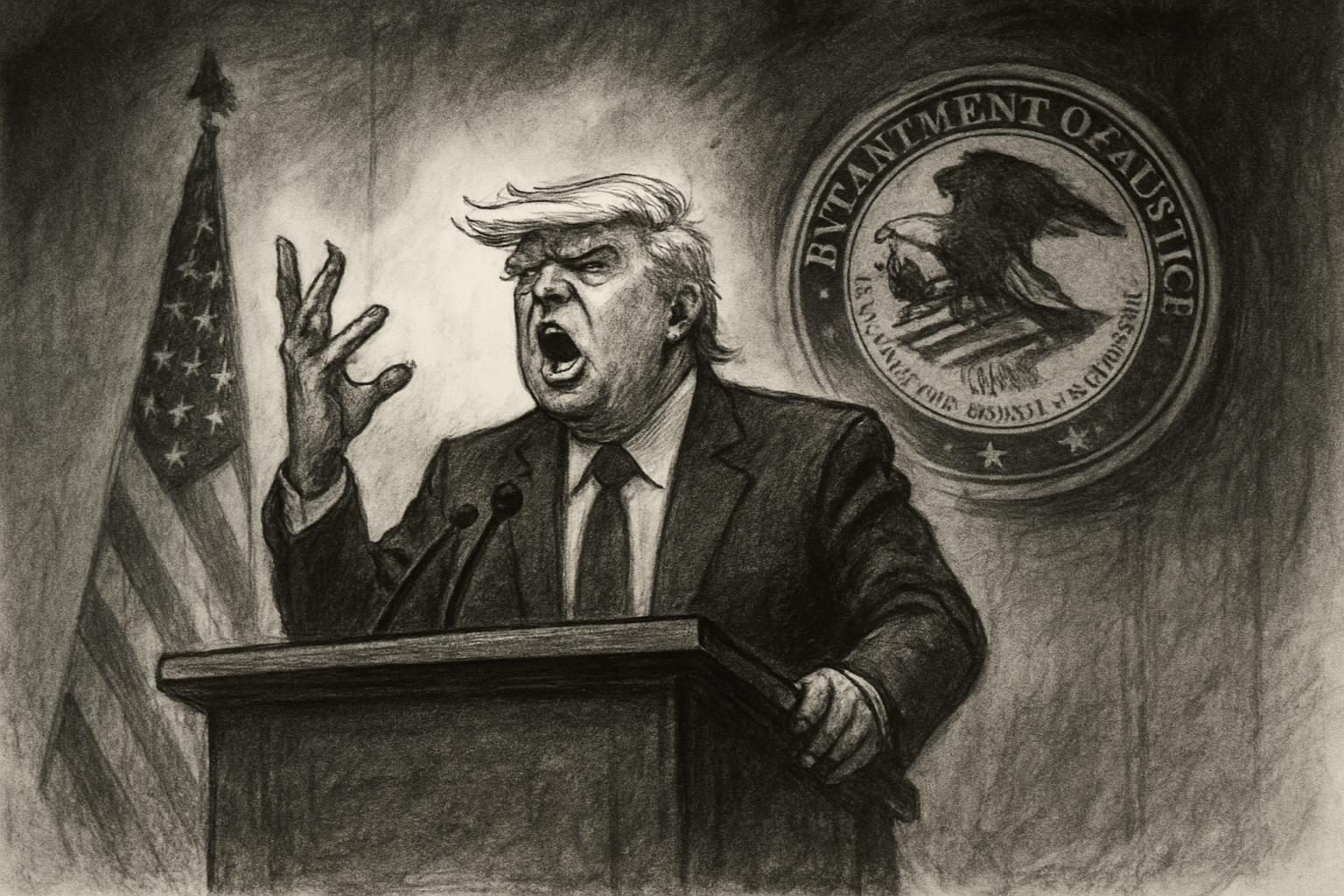
The Justice Department closed out a long-running State Department social-media censorship case on April 10, 2026, but it did not announce the deal like a routine legal housekeeping item. The department said the settlement resolved litigation over claims that the Biden-era State Department, through the now-defunct Global Engagement Center, helped fund and promote tools that could be used to downgrade or suppress speech online. ([justice.gov](https://www.justice.gov/opa/pr/justice-department-settles-lawsuit-challenging-biden-state-departments-alleged-social-1))
The release leaned hard into the administration’s political message. It said the settlement implements President Trump’s executive order on “Restoring Freedom of Speech and Ending Federal Censorship,” and it used language accusing the prior administration of trampling speech rights and weaponizing government against disfavored viewpoints. That is a framing choice, not a neutral docket note. The press release reads like policy vindication as much as case resolution. ([justice.gov](https://www.justice.gov/opa/pr/justice-department-settles-lawsuit-challenging-biden-state-departments-alleged-social-1))
The underlying case is Daily Wire v. Department of State in the Eastern District of Texas, where plaintiffs had previously won expedited discovery and the court had denied the government’s motions to dismiss and transfer venue. But the docket still showed live litigation before the parties filed a joint motion for entry of a consent decree on April 1, 2026. In other words, the settlement ended the case without a merits ruling or verdict. ([justice.gov](https://www.justice.gov/opa/pr/justice-department-settles-lawsuit-challenging-biden-state-departments-alleged-social-1))
The same style shows up in White House materials from March 20, 2026, when the administration unveiled a national AI legislative framework. One section was labeled “Preventing Censorship and Protecting Free Speech,” saying federal policy should keep AI from being used to silence lawful political expression or dissent. The message is consistent: the administration is packaging policy, litigation, and technology through the same anti-censorship lens. ([whitehouse.gov](https://www.whitehouse.gov/releases/2026/03/president-donald-j-trump-unveils-national-ai-legislative-framework/))
That does not make the settlement legally extraordinary. It does make the government’s public sales pitch unmistakable. The case ended by agreement, but the administration chose to describe that ending as part of a broader fight over who gets to define free expression online. ([justice.gov](https://www.justice.gov/opa/pr/justice-department-settles-lawsuit-challenging-biden-state-departments-alleged-social-1))
Comments
Threaded replies, voting, and reports are live. New users still go through screening on their first approved comments.
Log in to comment
No comments yet. Be the first reasonably on-topic person here.