
Trump’s Oval Office stagecraft still looks more produced than governed
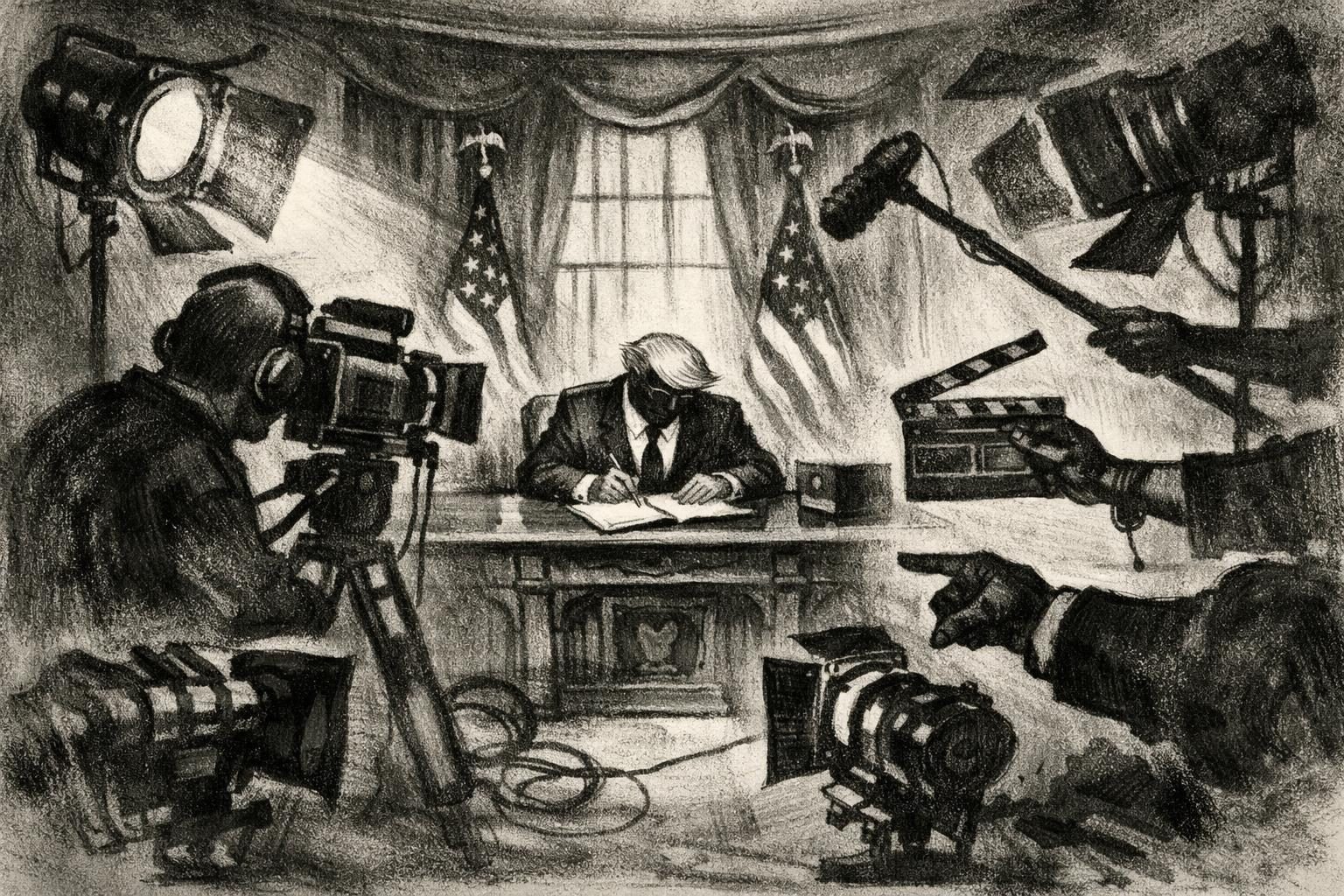
The White House’s April 18 video of President Donald Trump signing an executive order on serious mental illness was built to look like a moment of command, clarity, and motion. It was polished, tightly edited, and deliberately re-amplified the following day, turning a routine presidential action into a branded Oval Office event. In form, it was classic Trump: the chair, the desk, the pen, the seal of authority, and the impression that the act itself was the story. But the signing was only the beginning of the story, not the end of it. The policy’s real impact will depend on what happens after the cameras stop rolling, when agencies have to interpret the order, lawyers have to defend it, and administrators have to turn broad presidential language into something that actually works.
That gap between presentation and execution is central to understanding the order. The administration says the directive is intended to accelerate medical treatments for serious mental illness, and its related materials frame it as part of a broader effort involving breakthrough mental health treatments and veteran care. Those are not trivial subjects, and the White House is clearly treating the announcement as a substantive federal action rather than a symbolic gesture. The language around the order suggests urgency and scale, especially for people dealing with severe, complex, and treatment-resistant conditions. But an executive order does not create a finished policy by itself. It can direct agencies, shape priorities, and signal momentum, yet it still has to survive the ordinary friction of government. That means rules, guidance, budgets, internal review, and sometimes court challenges. A signing ceremony can be immediate; implementation rarely is.
That is why the production value around the April 18 rollout matters as more than just political theater. The video is designed to present the administration as already moving, already organized, and already successful before the policy has had any time to produce results. It offers the visual grammar of decisiveness. The image is of a president acting, not a bureaucracy working through the details that follow. That distinction is especially important in a Trump White House, where the camera is often used not just to document power but to manufacture the feeling of power. The effect is to collapse the space between announcement and achievement, so the public sees a completed political act even when the substantive work has only begun. In that sense, the polished rollout is part of the governing strategy, not just a side product of it.
None of that means the order is empty. The administration is signaling that serious mental illness is being elevated as a federal concern and that treatment innovation is supposed to move faster. For supporters, that could look like a long-overdue push on an area where the health system often struggles to keep pace with need. For critics, the concern is less about the subject matter than the familiar Trump method of presentation: high-gloss imagery, heavy emphasis on presidential authorship, and a tendency to let the visual narrative outrun the practical one. The White House knows the value of a clean, forceful image, and it knows how to use one to project authority. The question is whether the policy underneath the image can be made to matter in a durable way. If agencies move quickly, if the legal framework holds, and if the order actually changes how treatment is supported or delivered, then the rollout will have been more than branding. If not, it will be remembered as another example of Trump’s preference for stagecraft that arrives fully formed, while governance lumbers in behind it.
Comments
Threaded replies, voting, and reports are live. New users still go through screening on their first approved comments.
Log in to comment
No comments yet. Be the first reasonably on-topic person here.