
Justice Department Legal Memo Calls Presidential Records Act Unconstitutional
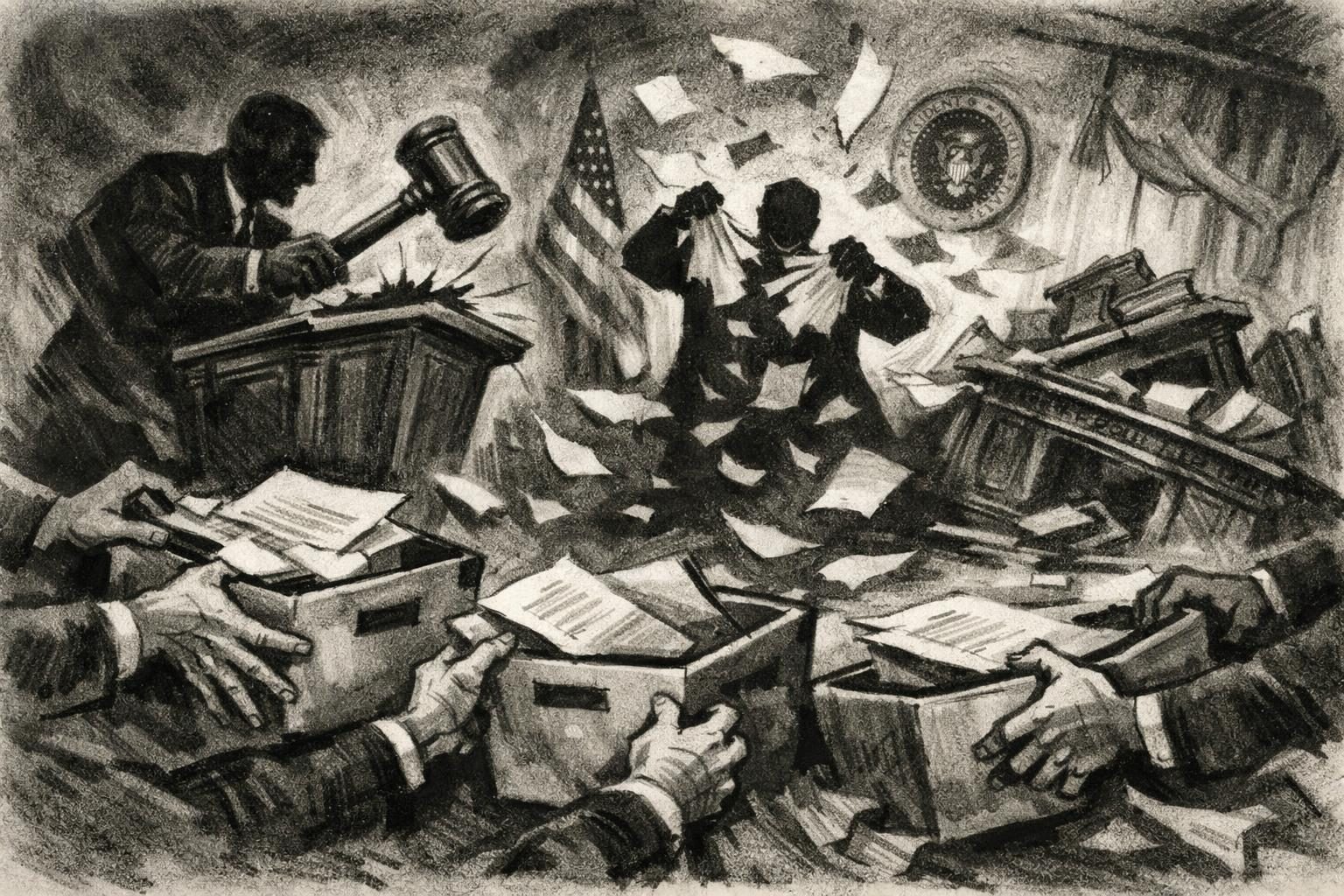
The Justice Department’s Office of Legal Counsel has put its name on a direct constitutional challenge to the Presidential Records Act. In an April 1, 2026 memorandum titled "Constitutionality of the Presidential Records Act," OLC said the statute cannot stand because, in its view, Congress exceeded its powers and intruded on executive independence. OLC opinions are formal legal advice inside the executive branch, not judicial decisions. ([justice.gov](https://www.justice.gov/olc/media/1434131/dl?utm_source=openai))
That matters for how the executive branch may talk about the law, but it does not make the law disappear. The Presidential Records Act is still on the books unless a court strikes it down or Congress rewrites it. National Archives materials say the act changed the legal status of presidential and vice presidential records, making them government property rather than personal property. ([archives.gov](https://www.archives.gov/news/topics/presidential-records-act?utm_source=openai))
NARA’s guidance is also specific about what happens when a president leaves office. Presidential records transfer into the legal custody of the Archivist at the end of the administration. FOIA access begins five years after the president leaves office, and the former president may impose certain restrictions for up to 12 years, subject to the statute’s limits. ([archives.gov](https://www.archives.gov/news/topics/presidential-records-act?utm_source=openai))
The memo is important because it puts a formal Justice Department position behind a theory that presidential records rules unconstitutionally bind the executive branch. That is not the same thing as a binding ruling, and it is not the same thing as a change in law. The practical effect, if any, will come from whether the administration follows the memo, whether the issue lands in court, or whether Congress responds. That is the fight this document starts, not the fight it ends. ([justice.gov](https://www.justice.gov/doj/office-legal-counsel?utm_source=openai))
Comments
Threaded replies, voting, and reports are live. New users still go through screening on their first approved comments.
Log in to comment
No comments yet. Be the first reasonably on-topic person here.