
Comey indictment centers on Trump threat counts and what prosecutors can prove
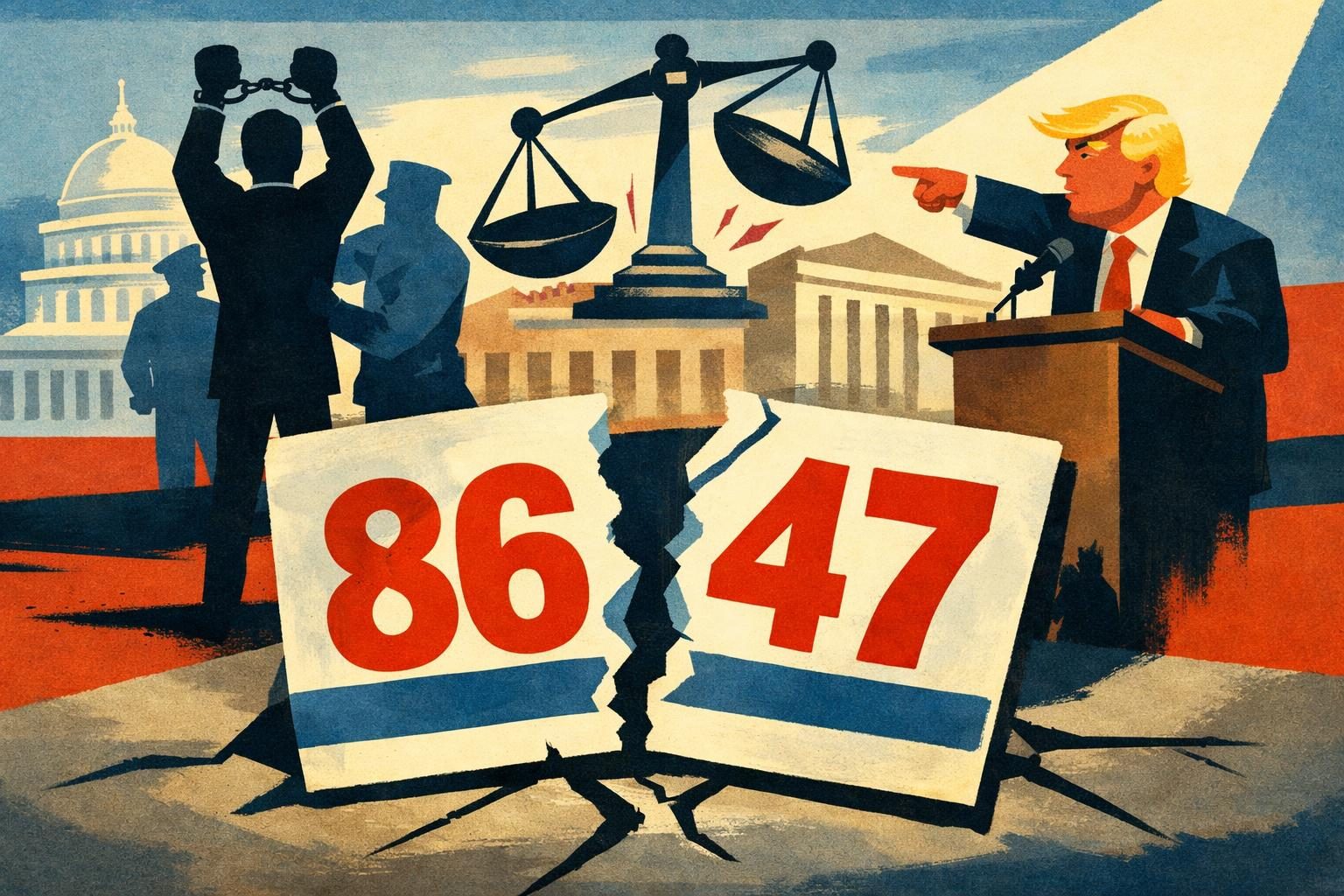
A federal grand jury in the Eastern District of North Carolina indicted former FBI Director James Comey on April 28, 2026, over an Instagram post from May 15, 2025 that showed the numbers “86 47.” Prosecutors say the post amounted to a threat against President Donald Trump. The indictment charges Comey under 18 U.S.C. § 871(a), which covers threats against the president, and 18 U.S.C. § 875(c), which covers transmitting a threatening communication in interstate commerce. ([justice.gov](https://www.justice.gov/opa/pr/federal-grand-jury-indicts-former-fbi-director-james-comey-threats-harm-president-trump?utm_source=openai))
As with any indictment, the charges are allegations, not proof. Comey is presumed innocent unless and until the government proves its case beyond a reasonable doubt. The public filing says the “86 47” post would have been understood by a reasonable recipient familiar with the circumstances as a serious expression of an intent to do harm. That language gives a preview of the government’s theory, but it does not decide the case. ([justice.gov](https://www.justice.gov/opa/pr/federal-grand-jury-indicts-former-fbi-director-james-comey-threats-harm-president-trump?utm_source=openai))
The legal fight will likely turn on context: what the post meant, how it was received, and whether prosecutors can satisfy the elements of the two statutes they chose. The government also says Comey consciously disregarded a substantial risk that the message would be viewed as threatening violence. Those are the issues a judge and, if the case reaches trial, a jury will have to sort through. ([justice.gov](https://www.justice.gov/opa/pr/federal-grand-jury-indicts-former-fbi-director-james-comey-threats-harm-president-trump?utm_source=openai))
The case has also become a political flashpoint. After the indictment, Attorney General Pamela Bondi and FBI Director Kash Patel defended the charging decision and said no one is above the law. Those statements signal the administration’s position. They do not substitute for evidence, and they do not resolve the question of whether the post meets the federal standard for a threat. ([justice.gov](https://www.justice.gov/opa/pr/attorney-general-bondi-director-patel-statements-regarding-indictment-former-fbi-director?utm_source=openai))
For now, the indictment is the starting point, not the finish line. The next stage is a conventional criminal process built around motions, discovery, and the government’s burden of proof. The central question is narrow: whether prosecutors can turn a disputed Instagram post into a criminal conviction under federal law. ([justice.gov](https://www.justice.gov/opa/pr/federal-grand-jury-indicts-former-fbi-director-james-comey-threats-harm-president-trump?utm_source=openai))
Comments
Threaded replies, voting, and reports are live. New users still go through screening on their first approved comments.
Log in to comment
No comments yet. Be the first reasonably on-topic person here.