Comey indictment draws new scrutiny of Trump Justice Department
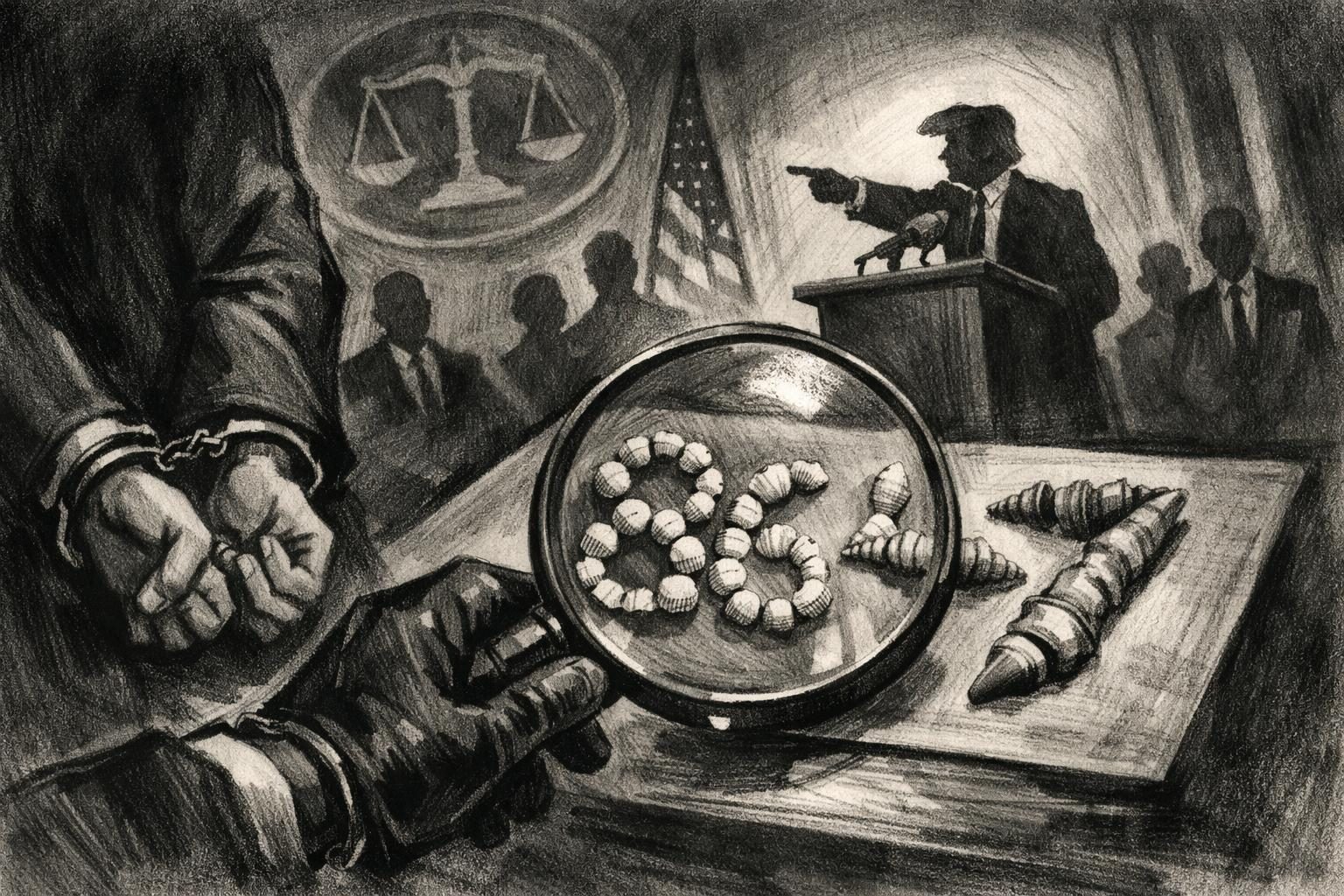
A federal grand jury in the Eastern District of North Carolina has handed up an indictment against former FBI Director James Comey, turning a year-old social media post into a live criminal case and immediately raising the stakes for the Justice Department. The two-count filing, announced April 28, 2026, accuses Comey of threatening President Donald Trump and transmitting a threat in interstate commerce under 18 U.S.C. § 871(a) and 18 U.S.C. § 875(c). The government says the case stems from an Instagram post on May 15, 2025, in which Comey shared a photo of seashells arranged to read “86 47.” But the indictment is only an allegation, not a finding of guilt, and Comey remains presumed innocent unless and until prosecutors prove the charges in court. The central issue is not whether the post was in poor taste or politically loaded, but whether it can be proven to meet the legal standard for a criminal threat. That distinction is doing a lot of work here, because the Justice Department has chosen to transform a symbolic image into a federal prosecution with obvious political consequences.
The case will likely turn on context, intent, and how a reasonable person would understand the post at the time it was published. Prosecutors are expected to argue that the number pairing carried an unmistakable message and that it crossed the line from metaphor or commentary into a threat against the president. The defense, in turn, will almost certainly contend that the post was ambiguous, that it lacked the clarity required for a true threat, and that its meaning was never as straightforward as the government now claims. In threat cases, those questions can be decisive, especially when the disputed expression is indirect, symbolic, or posted in a social-media setting where meaning often depends on cultural shorthand and audience assumptions. The Constitution also looms over the dispute, because not every offensive or provocative statement becomes criminal simply because prosecutors say so. That leaves the government with the burden of showing not just that the post was unsettling, but that it was serious enough, and specific enough, to satisfy the statute and survive First Amendment scrutiny.
The politics around the indictment are impossible to ignore, even if they do not by themselves prove misconduct. Comey has long been one of Trump’s favorite targets, and the president has spent years attacking him in public and treating him as a symbol of entrenched hostility inside the federal bureaucracy. That history gives the defense a ready-made narrative that the prosecution is not unfolding in a neutral vacuum, but in the middle of a long-running feud with deep partisan overtones. The Justice Department would almost certainly reject any suggestion that the indictment is personal or retaliatory, insisting instead that it is applying the law to a specific set of facts. Still, the optics are rough for an administration that has repeatedly promised to use government power against enemies it views as corrupt, disloyal, or part of a hostile establishment. Even if the charge is legally defensible, it is the sort of case that invites public suspicion that the machinery of justice is being asked to do more than the law allows. In Washington, perception often becomes part of the prosecution, and this one arrived with baggage already attached.
That baggage matters because the case lands at the center of a familiar Trump-era problem: what happens when the same administration that talks constantly about law and order also spends years signaling vengeance toward its opponents. Every serious prosecution involving a figure like Comey becomes a test of whether the Justice Department is acting like a normal law-enforcement institution or a political weapon with court filings. That does not mean the case cannot be valid, and it does not mean prosecutors are acting in bad faith. It does mean that the government has invited a hard look at how and why this particular case was brought, why now, and whether lesser, noncriminal responses were bypassed in favor of a federal indictment. If the administration wanted this to look routine, it picked the wrong defendant and the wrong backdrop. The more officials insist the matter is simply about a threat, the more they risk sounding as though they are trying to sanitize a prosecution that will inevitably be read through a political lens. For now, all that is certain is that a grand jury voted, an indictment exists, and the legal fight over meaning has begun.
The broader fallout is already visible because the case forces an uncomfortable question about the institutional health of the Justice Department itself. If prosecutors prevail, they will argue that the law was enforced impartially and that the facts justified bringing a former FBI director into federal court. If they lose, or if the case collapses under scrutiny of the post’s meaning and context, critics will say the department overreached and turned a dubious theory into a major criminal case. Either way, the prosecution deepens the argument over whether Trump’s Justice Department can be trusted to separate legitimate law enforcement from political grievance. That argument is not going away soon, because cases like this are rarely just about the technical elements of a statute; they are about who the government chooses to prosecute, what message that choice sends, and how much power it is willing to spend in the name of accountability. Comey’s indictment may ultimately rise or fall on the narrow legal question of whether “86 47” amounts to a threat. But the larger story is already clear: the Justice Department has stepped into a politically radioactive fight that will test not only Comey’s legal defenses, but the administration’s credibility every time it claims to be above politics.
Comments
Threaded replies, voting, and reports are live. New users still go through screening on their first approved comments.
Log in to comment
No comments yet. Be the first reasonably on-topic person here.