
Comey indictment gives Trump a revenge story — and a Justice Department problem
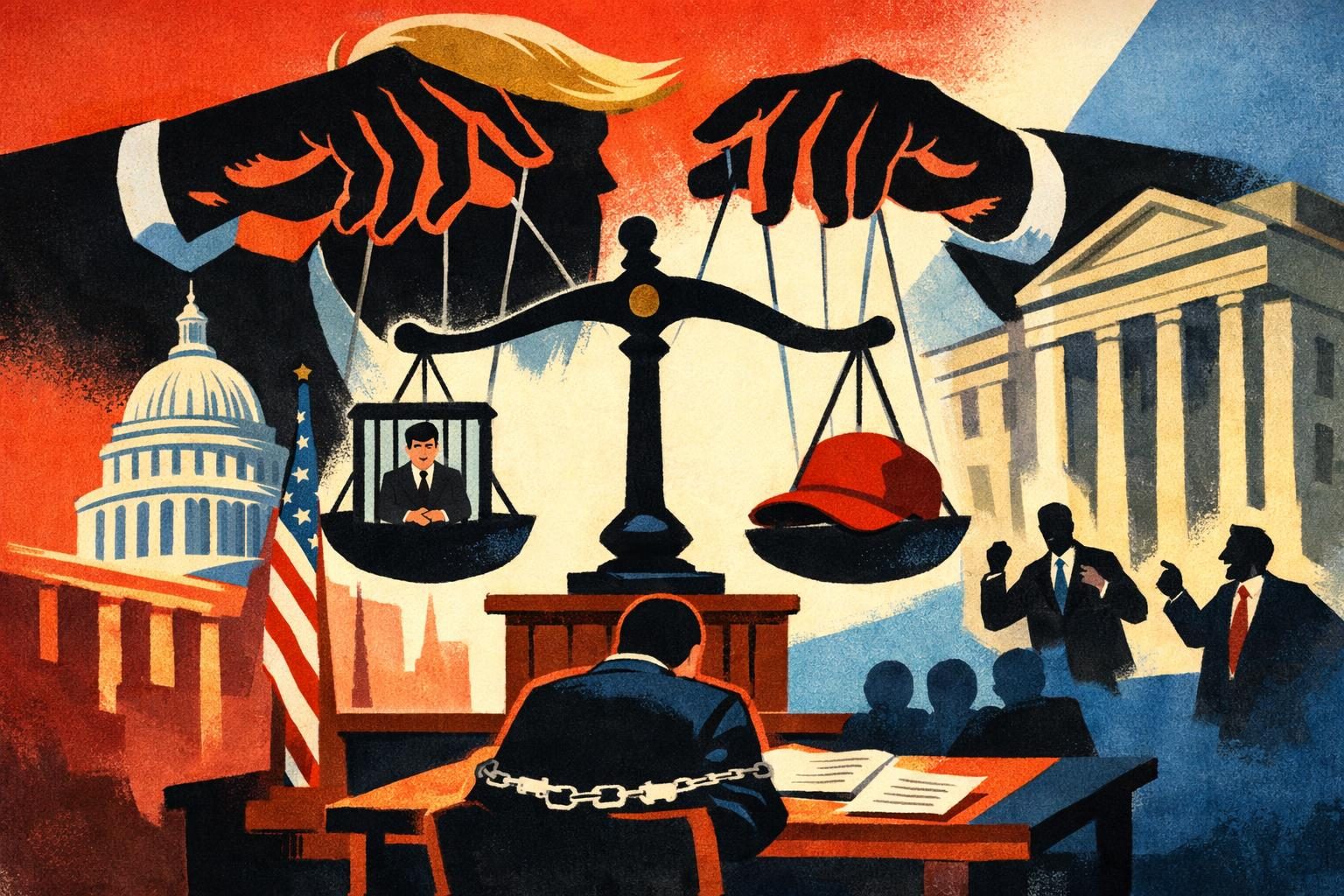
A federal grand jury in the Eastern District of North Carolina indicted former FBI Director James Comey on April 28, 2026, on two threat-related counts tied to his 2025 Instagram post showing seashells arranged as “86 47.” The Justice Department says prosecutors charged Comey under 18 U.S.C. § 871 for allegedly making a threat to take the life of, and inflict bodily harm upon, the president, and under 18 U.S.C. § 875(c) for transmitting a threat in interstate commerce. Comey has said he intended no threat and removed the post after it drew backlash. ([justice.gov](https://www.justice.gov/opa/pr/federal-grand-jury-indicts-former-fbi-director-james-comey-threats-harm-president-trump?utm_source=openai))
That makes the indictment more than a routine criminal filing. It gives Trump allies a fresh chance to argue that one of the president’s oldest enemies is finally facing consequences, while also handing critics a new example of how closely the department is now tracking Trump’s personal and political grievances. The legal question is whether prosecutors can prove the post amounted to a true threat. The political question is simpler: the defendant is James Comey, the subject is Donald Trump, and the timing guarantees the case will be read through a partisan lens long before a jury sees it. ([justice.gov](https://www.justice.gov/opa/pr/federal-grand-jury-indicts-former-fbi-director-james-comey-threats-harm-president-trump?utm_source=openai))
The chronology matters. The indictment was returned on April 28, and Comey made his first court appearance the next day, April 29. That sequence turned the case into an instant political event, with the administration presenting the charges as a serious response to a perceived threat and Trump’s critics treating the filing as evidence that federal power is being used against a familiar foe. Both reactions were predictable. Neither one answers the harder question of whether the prosecution can be squared with the department’s usual standards, or whether a case this freighted with history can avoid looking like vengeance dressed up as law enforcement. ([apnews.com](https://apnews.com/article/0286ff6e5e731dec09bba2dea6ff41e0?utm_source=openai))
That is the real damage the indictment may cause. If the case advances, Trump allies will call it proof that the system is finally taking the threat seriously and that the former FBI director is not above the law. If it stalls or collapses, opponents will say the department overreached to satisfy a president eager to settle old scores. Either way, the filing deepens the same credibility problem that has shadowed Trump’s Justice Department from the start: the more openly it pursues the president’s targets, the harder it becomes to persuade anyone that the machinery of federal power is being used for anything other than political combat. ([justice.gov](https://www.justice.gov/opa/pr/federal-grand-jury-indicts-former-fbi-director-james-comey-threats-harm-president-trump?utm_source=openai))
Comments
Threaded replies, voting, and reports are live. New users still go through screening on their first approved comments.
Log in to comment
No comments yet. Be the first reasonably on-topic person here.