
Comey indictment keeps the Trump-era political shadow on the case
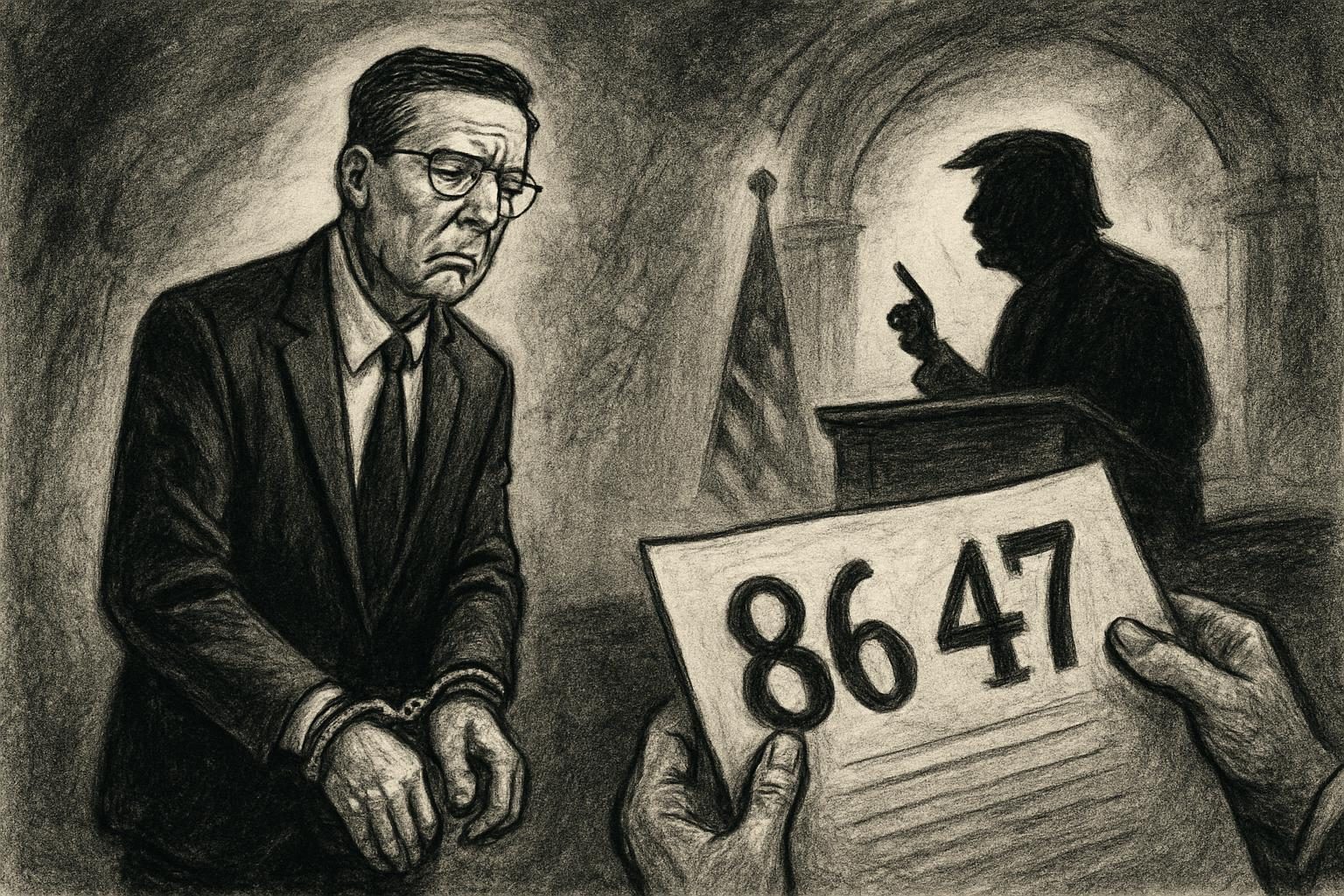
James Comey’s indictment landed on April 28, 2026, and it immediately became more than a routine criminal filing. A federal grand jury in the Eastern District of North Carolina charged the former FBI director after the Justice Department said a May 15, 2025 Instagram post — featuring seashells arranged to read “86 47” — constituted threats against President Trump. The legal question now is whether prosecutors can prove the charge in court. The political question, already impossible to ignore, is why this case was brought against one of Trump’s most famous antagonists.
That tension is built into the record from the start. Comey has spent years as a central target of Trump’s criticism, and the president’s allies are presenting the indictment as straightforward law enforcement. But the case is arriving in a climate where every step is likely to be read through the lens of the Trump-Comey conflict. The Justice Department says the grand jury found probable cause to move forward. Comey’s defenders say that does not answer the larger concern: that the government chose a defendant whose name guarantees the charge will be seen as political, whatever happens next.
Attorney General Pam Bondi and FBI Director Kash Patel have both publicly framed the department’s work as grounded in the facts, not personal loyalty or grudges. That message is supposed to reassure the public that the system is functioning normally. It may not be enough. When the target is a longtime Trump foe and the alleged threat comes from a message that has already been widely debated, the government has to do more than file charges. It has to persuade skeptics that the case was selected because the evidence supported it, not because the defendant was useful.
That is the practical problem for the Justice Department now. Even if prosecutors believe the case is solid, they are operating under an unavoidable suspicion that the filing carries political meaning beyond the four corners of the indictment. If the evidence is strong, the government will have to show that in court. If the evidence is thin, the political noise will only get louder. Either way, the prosecution has become a test of whether this Justice Department can separate criminal process from presidential grievance — and that test begins with a defendant who has never been easy for Trump to leave alone.
Comments
Threaded replies, voting, and reports are live. New users still go through screening on their first approved comments.
Log in to comment
No comments yet. Be the first reasonably on-topic person here.