
Comey indictment raises selective-prosecution questions around Trump’s Justice Department
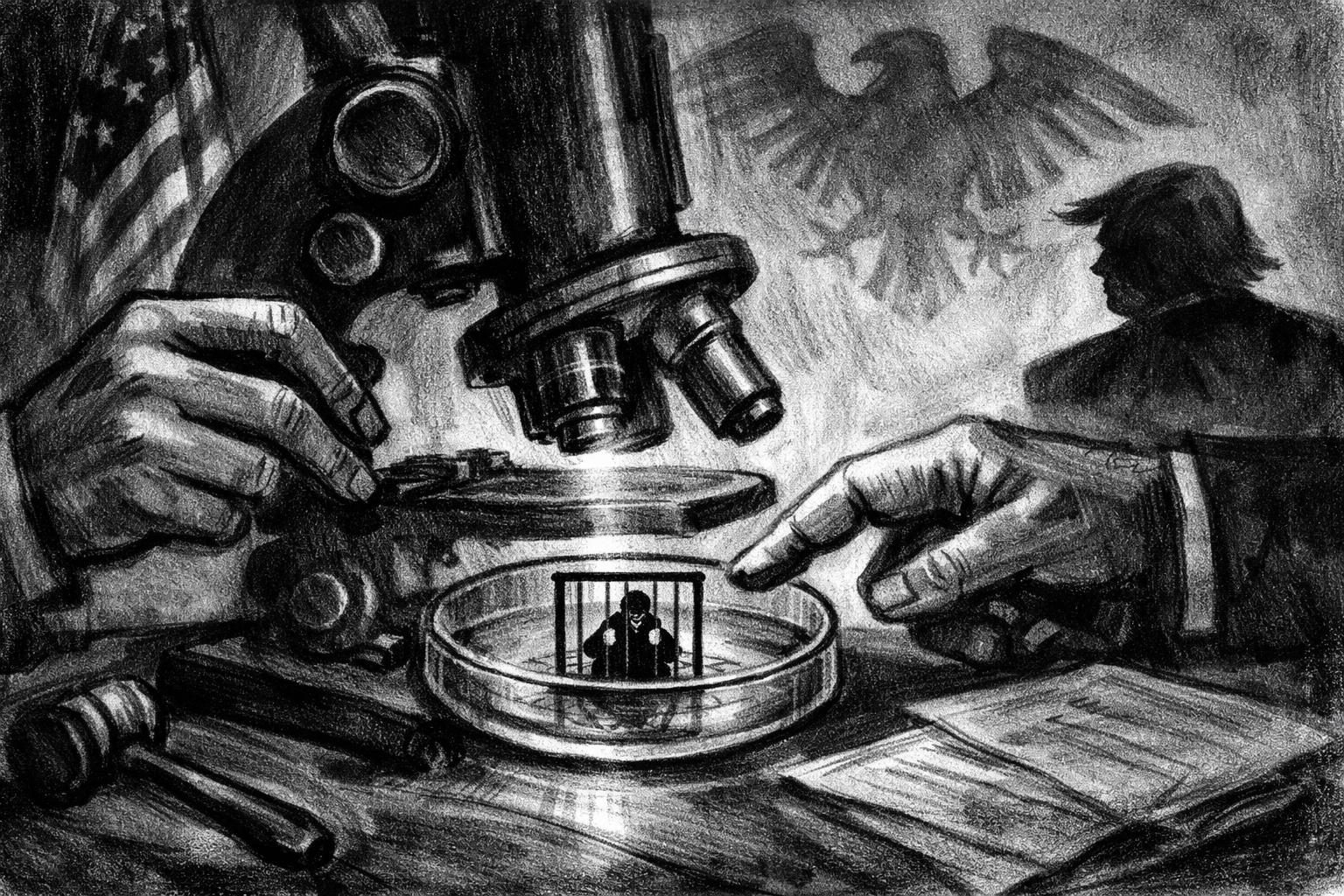
A federal grand jury in the Eastern District of North Carolina indicted former FBI Director James Comey on April 28, 2026, putting him at the center of a fresh fight over how the Trump administration’s Justice Department is using criminal charges against a longtime enemy of the president. The indictment says Comey’s May 15, 2025 Instagram post, which showed seashells arranged to form “86 47,” amounted to threats against President Donald Trump. DOJ says the image was a serious expression of intent to do harm; Comey remains presumed innocent. ([justice.gov](https://www.justice.gov/opa/pr/federal-grand-jury-indicts-former-fbi-director-james-comey-threats-harm-president-trump))
The filing contains two counts. One charges Comey under 18 U.S.C. § 871(a), which covers threats against the president. The second charges him under 18 U.S.C. § 875(c), which covers transmitting a threatening communication in interstate commerce. The indictment says a reasonable recipient familiar with the circumstances would interpret the post as a serious threat to injure or kill Trump. ([justice.gov](https://www.justice.gov/opa/pr/federal-grand-jury-indicts-former-fbi-director-james-comey-threats-harm-president-trump))
The case does not decide whether the post was a threat. It starts a prosecution. That distinction matters, because the government’s theory depends on how the image is read, what Comey meant by it, and how a jury evaluates the post in context. DOJ officials said the grand jury found probable cause, and they framed the investigation as a standard threat case. ([justice.gov](https://www.justice.gov/opa/pr/federal-grand-jury-indicts-former-fbi-director-james-comey-threats-harm-president-trump))
The political fallout is immediate. Comey has long been one of Trump’s most prominent targets, and the president has spent years publicly attacking him. That history does not prove selective prosecution or vindictiveness, but it gives defense lawyers a ready path to argue that the case will need to be judged with extra care. Whether that argument lands will turn on the evidence, the charging decision, and how the court handles the defense’s motions. ([justice.gov](https://www.justice.gov/opa/pr/federal-grand-jury-indicts-former-fbi-director-james-comey-threats-harm-president-trump))
For now, the record is simple: a grand jury returned an indictment, the government has laid out its theory under two federal statutes, and Comey faces a criminal case that will be fought in court rather than on social media. The only certainty at this stage is that the accusation is not a conviction. ([justice.gov](https://www.justice.gov/opa/pr/federal-grand-jury-indicts-former-fbi-director-james-comey-threats-harm-president-trump))
Comments
Threaded replies, voting, and reports are live. New users still go through screening on their first approved comments.
Log in to comment
No comments yet. Be the first reasonably on-topic person here.