
DOJ loses Arizona voter-data case as its statewide grab meets another court wall
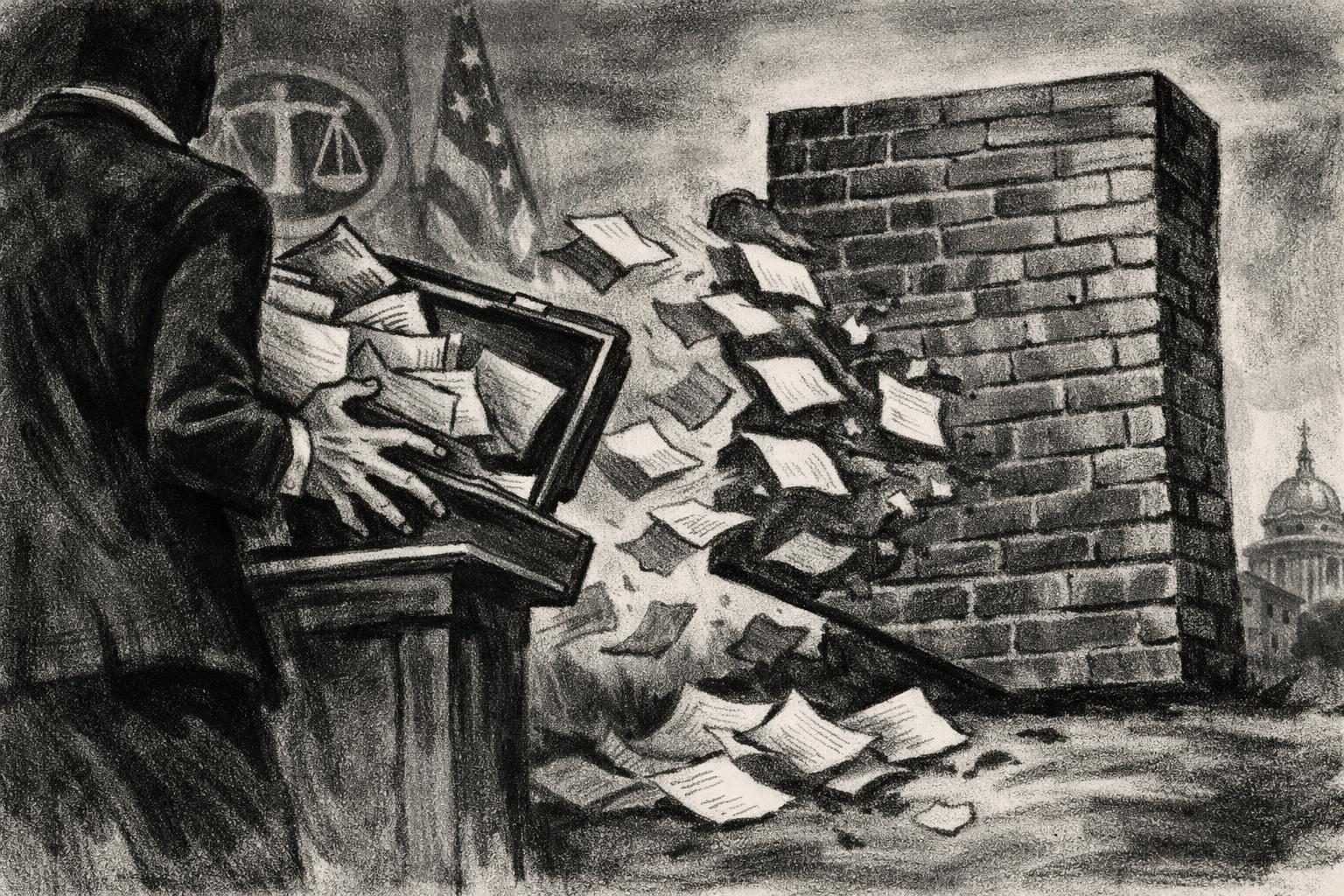
The Justice Department took another legal hit this week when a federal judge threw out its lawsuit against Arizona over access to detailed voter-registration records, handing the Trump administration a setback in one of its expanding fights with states over election data. The case was part of a broader federal effort to pressure states and the District of Columbia to turn over sensitive voter information, including birth dates, home addresses, driver’s license numbers and partial Social Security numbers. In Arizona’s case, the court concluded that the voter-registration records the state maintains are not the kind of document the attorney general can simply demand under the federal law the department relied on. The dismissal came with prejudice, which means the department cannot refile the same claim in that court and try again on the same theory. That detail matters because it turns what might otherwise have been a temporary setback into a more durable judicial rejection.
The Arizona loss fits into a pattern that has been developing as the administration tries to convert its election-integrity rhetoric into a nationwide data-collection campaign. The Justice Department has not been limiting itself to one or two test cases; it has been suing jurisdictions that resist handing over voter data, making the dispute look less like isolated litigation and more like a coordinated push to pry open state election systems. Supporters of the effort frame the demand as a legitimate attempt to improve confidence in elections and to ensure that voter rolls are accurate. But the scope of the records sought has helped fuel alarm, because the requested information can include some of the most sensitive identifiers stored in state election files. When a court rules that the department’s legal theory does not fit the statute it is invoking, that does more than sink one lawsuit. It gives other states a road map for resistance and a fresh reason to argue that the federal government is asking for more than the law allows.
That is what makes the Arizona ruling politically awkward for the administration. The White House and the Justice Department have tried to present themselves as disciplined stewards of election administration, the ones who are supposedly bringing order to a system they portray as vulnerable and uneven. Yet the litigation strategy has repeatedly put federal lawyers in the position of asking courts to bless a broad grab for personally identifying voter information. That tension is hard to miss: the public message is about integrity and compliance, while the legal posture often looks expansive and confrontational. Each court defeat makes it easier for critics to argue that the administration is not narrowly enforcing election law but instead testing how far it can go before judges draw a line. Because this ruling ended with prejudice, the department does not get the comfort of treating it as a drafting mistake or a procedural detour. It is a substantive rejection that will likely be cited whenever the same kind of demand is challenged elsewhere.
The bigger significance is that the administration’s election-data campaign now carries the look of a project running into repeated judicial resistance rather than steadily building toward compliance. That does not mean the effort is finished, and it does not mean every related case will go the same way. But it does mean the federal government is starting to accumulate losses that sharpen the political and legal criticism around the program. If the department keeps filing suits that seek highly sensitive records and keeps getting told that the law does not support its theory, the strategy begins to look less like careful oversight and more like an overreach in search of a statute. For Trump-world, that is an especially uncomfortable place to be, because it undercuts the image of forceful competence the administration wants to project. The Arizona case is therefore more than one courtroom defeat. It is another sign that the government’s attempt to force the release of voter data is meeting a hard wall in court, and that the wall is starting to look less like an exception than a pattern.
Comments
Threaded replies, voting, and reports are live. New users still go through screening on their first approved comments.
Log in to comment
No comments yet. Be the first reasonably on-topic person here.