
Justice Department Indicts James Comey Over Instagram Post the Government Calls a Threat
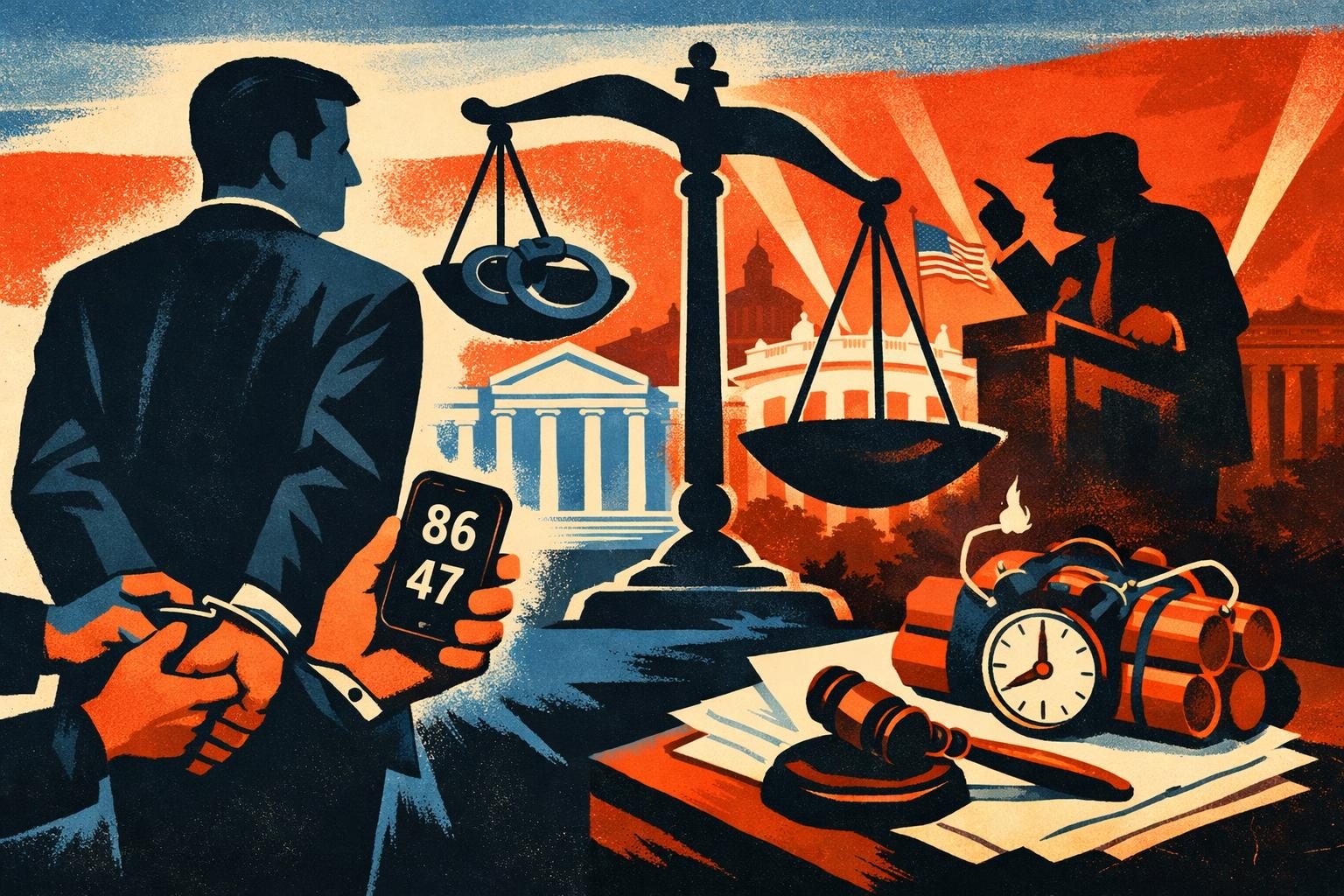
A federal grand jury in the Eastern District of North Carolina indicted former FBI Director James Comey on April 28, 2026, over a May 15, 2025 Instagram post that showed the numbers “86 47.” The Justice Department says the post was a threat against President Donald Trump, not just a vague political jab. The indictment charges Comey with threatening the president under 18 U.S.C. § 871(a) and transmitting a threat in interstate commerce under 18 U.S.C. § 875(c). ([justice.gov](https://www.justice.gov/opa/pr/federal-grand-jury-indicts-former-fbi-director-james-comey-threats-harm-president-trump))
The government’s theory is straightforward on paper: Comey allegedly posted an image on Instagram that a reasonable recipient familiar with the circumstances would interpret as a serious expression of intent to harm the president. The indictment says the image depicted seashells arranged to form “86 47,” and it ties both counts to that same May 15, 2025 post. The Justice Department also says the maximum penalty, if he is convicted, is 10 years in prison. ([justice.gov](https://www.justice.gov/opa/pr/federal-grand-jury-indicts-former-fbi-director-james-comey-threats-harm-president-trump))
The politics around the case are unavoidable because the target is James Comey, one of Donald Trump’s most longstanding public antagonists. But the legal issue is narrower than the noise around it: whether the post can be proved, beyond the accusation in the indictment, to qualify as a true threat under federal law. DOJ says the grand jury found probable cause. The indictment itself is not a verdict, and it says Comey is presumed innocent unless and until prosecutors prove the case. ([justice.gov](https://www.justice.gov/opa/pr/federal-grand-jury-indicts-former-fbi-director-james-comey-threats-harm-president-trump))
That distinction matters because threat cases often turn on context, intent, and how an allegedly coded message would land with a reasonable reader. Here, prosecutors are asking a court to treat a short social media post as criminal conduct, not protected ambiguity. If they can connect the dots, the case moves forward on the evidence. If they cannot, it becomes another reminder of how easily politically charged prosecutions can swallow their own credibility before a jury ever hears them. Either way, the indictment puts the Justice Department in the middle of a fight over whether it is enforcing the law or staging a score-settling spectacle. ([justice.gov](https://www.justice.gov/opa/pr/federal-grand-jury-indicts-former-fbi-director-james-comey-threats-harm-president-trump))
Comments
Threaded replies, voting, and reports are live. New users still go through screening on their first approved comments.
Log in to comment
No comments yet. Be the first reasonably on-topic person here.