
Trump’s Comey Indictment Starts Looking Like a Revenge Prosecution, Not a Triumph
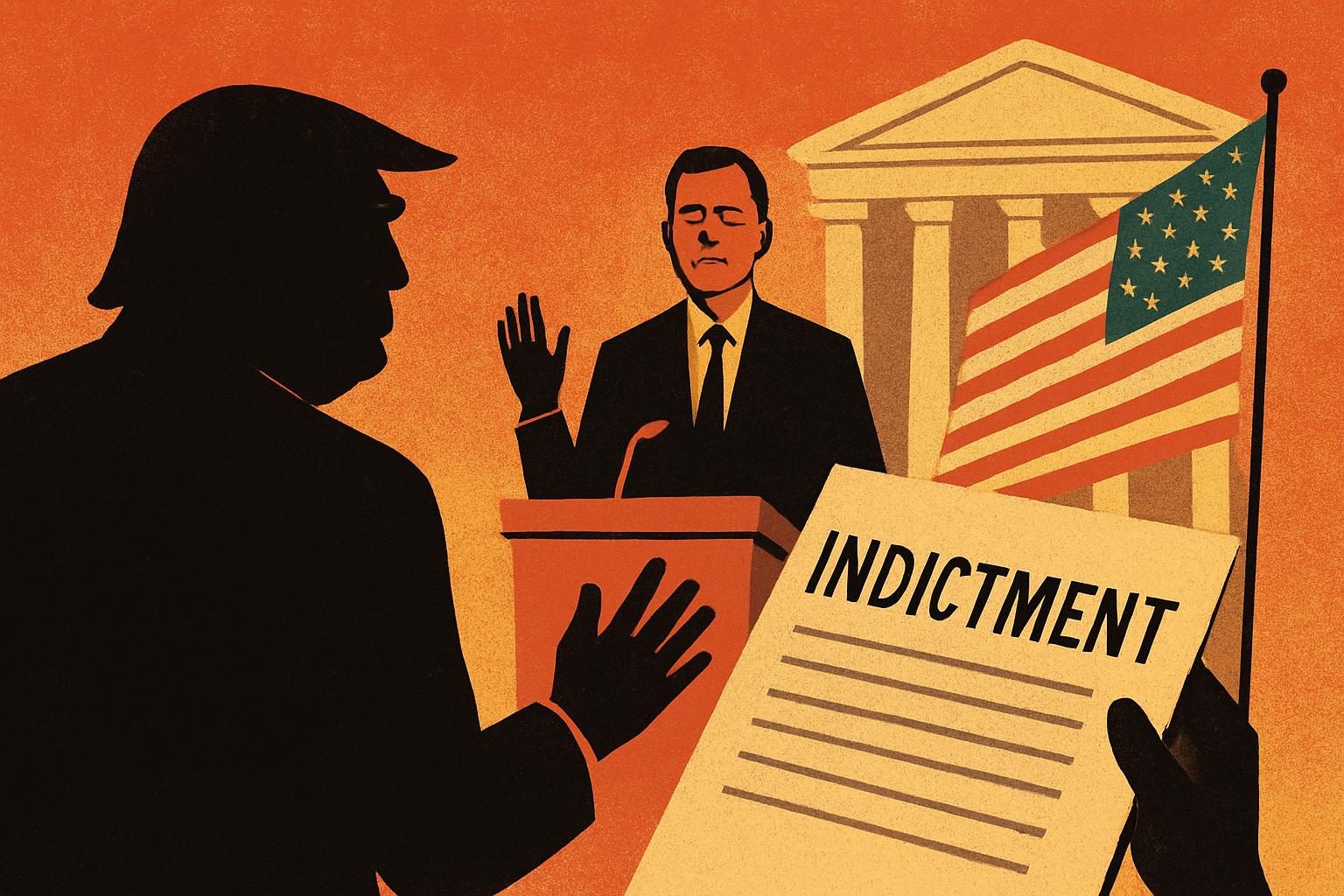
The Justice Department’s indictment of former FBI Director James Comey was supposed to land as a demonstration of force: a clean, emphatic message that the Trump administration was willing to treat even a former top law-enforcement official like any other defendant if prosecutors believed a threat had been made against the president. Instead, the case is already reading like something far messier and far more political. Prosecutors say Comey’s “86 47” Instagram post amounted to a threat of harm against President Trump, and the public presentation around the indictment has been built around that claim. But the surrounding circumstances are doing the government no favors. Trump spent years attacking Comey as a personal enemy, and the move against him is arriving in a climate where the president’s allies have spoken about the case in openly retaliatory terms. That does not settle the legal question one way or the other, but it does ensure the indictment is being viewed through a political lens that the administration seems incapable of removing. What was meant to look like a warning shot now has the look of a score being settled.
That matters because the Justice Department is not supposed to look as though it was assembled to satisfy old grudges. If prosecutors want this case to hold up, they will need to do more than insist that the post was provocative or reckless. They will have to show that the message crossed the legal line into a genuine threat, with the right intent and context to support that charge. That is a high bar, especially when the underlying dispute is over a social-media post that can be read in more than one way and that will inevitably be argued over as symbolic, political, or stupid without necessarily being criminal. If the government cannot meet that standard, then the administration has handed critics a tidy explanation for the whole episode: that Trump’s DOJ is eager to use federal power against enemies and call it neutral enforcement. The irony is thick enough to choke on, because this is the same White House that routinely complains about “weaponization” whenever the legal system moves in a direction it dislikes. In this case, the president and his allies have made it awfully hard to pretend the motive problem does not exist.
The broader trouble for the administration is that it keeps acting as if the public cannot remember its own rhetoric. Trump spent years turning Comey into one of his favorite villains, a symbol of everything he says was wrong with the federal government and the Russia investigation. So when a Justice Department under Trump moves against Comey, the obvious question is not just whether the law was violated, but whether the prosecution is being used to finish a political job that began long before the indictment. That suspicion has been reinforced by the way some Trump allies have talked about the case, treating it less like an ordinary criminal matter and more like overdue retribution. Even if the department insists it is simply enforcing the law, the optics are working directly against that claim. A case can be legally serious and politically toxic at the same time, and this one is looking increasingly like it lives in both categories. The administration’s own behavior has made the issue worse by encouraging the impression that public loyalty and legal consequences are getting mixed together in the same pot.
The Justice Department’s credibility problem does not stop with Comey, either. Under Trump, the department has often appeared eager to treat speech disputes, threat allegations, and political criticism as matters of national urgency when they align with the president’s interests. That pattern does not automatically prove bad faith in this case, but it makes the government’s posture much harder to defend because critics can point to repetition rather than anomaly. If prosecutors want the public to believe this is a measured, principled action, they need to behave like one. Instead, the administration has created the impression of a department that swings into action with unusual intensity when Trump is the aggrieved party and then lectures everyone else about fairness. That is not how an institution earns trust, and it is especially damaging when the president himself cannot resist turning legal proceedings into loyalty tests. The more the White House frames criminal cases as proof of allegiance or betrayal, the more every indictment starts to look like part of a political sorting mechanism instead of an impartial legal process. By the time the government gets around to saying this is all routine, the routine part is already gone.
The practical fallout may not be a dramatic courtroom collapse, but the political damage is already underway. If prosecutors prevail, Trump still has to live with the accusation that he used federal power to pursue a long-standing enemy, which is hardly the image of institutional restraint. If prosecutors lose or the case stumbles, the administration will have staged a very public display of vindictiveness and failed to back it up with a strong enough legal showing. Either way, the White House has converted a serious legal matter into a test of whether its own motives can survive scrutiny, and that is not usually where a confident administration wants to be. The whole episode weakens the claim that the Justice Department is acting as an independent arm of government rather than an extension of political grievance. It also gives Trump’s critics a ready-made argument that the president’s talk about law and order is conditional, selective, and conveniently personal. In the end, the Comey indictment is starting to look less like a triumph of accountability than a cautionary example of what happens when a president with a long memory gets too comfortable using federal power to settle old scores.
Comments
Threaded replies, voting, and reports are live. New users still go through screening on their first approved comments.
Log in to comment
No comments yet. Be the first reasonably on-topic person here.