
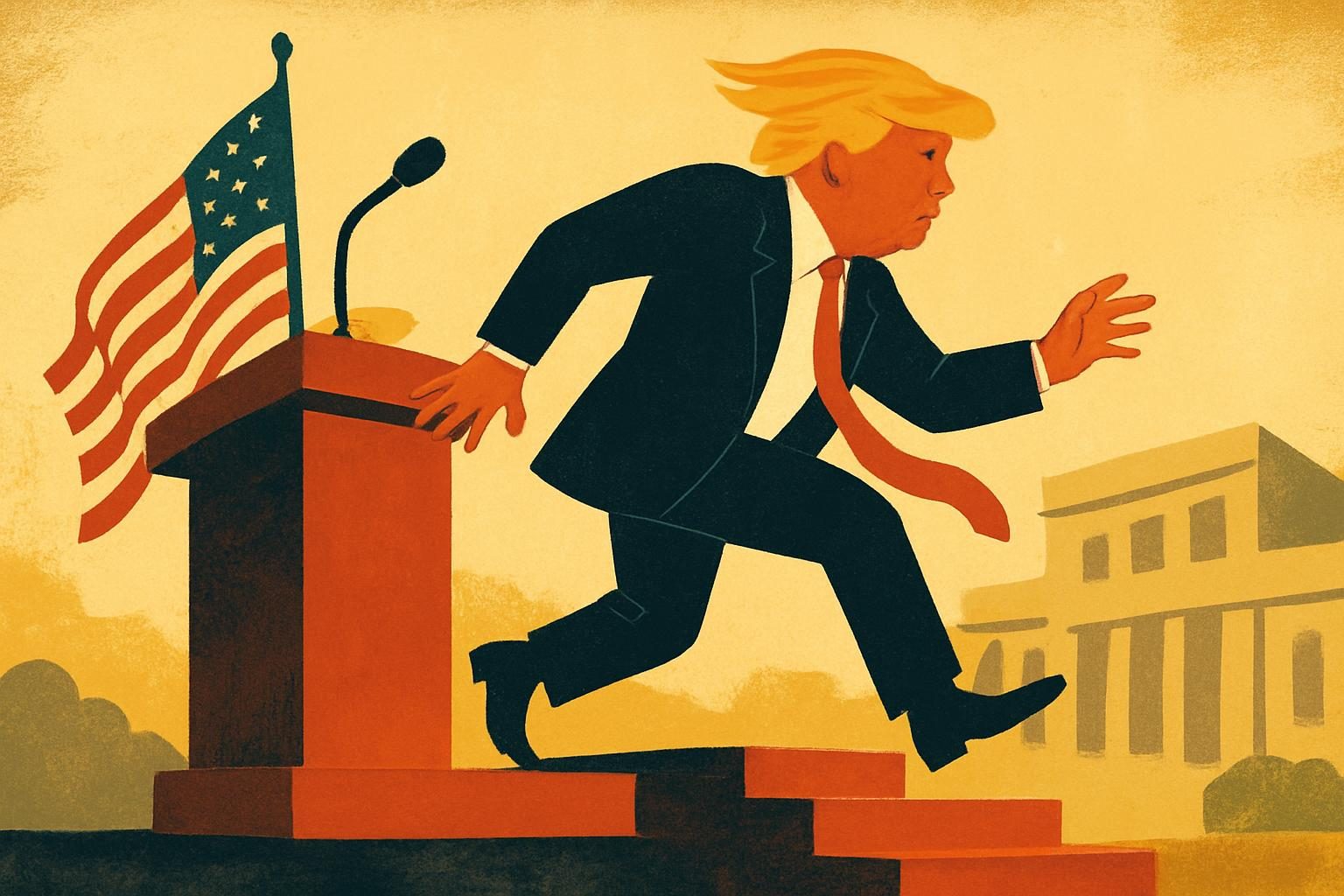
Trump World keeps mistaking motion for mastery
The useful way to read this stretch is by date, not by mood. On April 28, 2026, the Justice Department said a federal grand jury in the Eastern District of North Carolina indicted former FBI Director James Comey on charges tied to a threat against President Trump. On May 1, the White House issued an order imposing sanctions on people it says were responsible for repression in Cuba and for threats to U.S. national security and foreign policy. And in March, Treasury and the IRS released proposed regulations on how to open initial Trump Accounts under the One, Big, Beautiful Bill. The timing matters because the story is not one single burst of chaos. It is a series of separate actions, each designed to project control, each carrying its own political and practical problems. ([justice.gov](https://www.justice.gov/opa/pr/federal-grand-jury-indicts-former-fbi-director-james-comey-threats-harm-president-trump?utm_source=openai))
The Trump Accounts rollout is a clean example of how branding can outrun administration. Treasury and the IRS said the proposed rules set out general requirements for the accounts, definitions, election rules, and the responsibilities of the party opening the account. The agencies also said they were asking for comments before final regulations. That is normal rulemaking machinery, which is the point: a retirement-style program lives or dies on details, not slogans. The administration can call the accounts whatever it wants, but the system still has to work for parents, trustees, financial institutions, and tax administrators. If the rollout is supposed to be a proof of competence, the proof will come in the technical side of the program, not in the headline. ([irs.gov](https://www.irs.gov/newsroom/treasury-irs-issue-proposed-regulations-on-how-to-open-initial-trump-accounts-under-the-one-big-beautiful-bill?utm_source=openai))
The Cuba sanctions order has a similar shape. The White House said the move was grounded in the national emergency declared earlier this year and aimed at officials tied to repression and threats against U.S. interests. On paper, that is a straightforward exercise of executive power. In practice, sanctions only matter if the administration can explain what leverage they are meant to create and how it will measure whether they work. A sanctions order can be a real policy tool, but it can also become a gesture that is easy to announce and harder to translate into a change in behavior. The document itself is forceful; the harder part is the strategy behind it. ([whitehouse.gov](https://www.whitehouse.gov/presidential-actions/2026/05/imposing-sanctions-on-those-responsible-for-repression-in-cuba-and-for-threats-to-united-states-national-security-and-foreign-policy/?utm_source=openai))
The Comey indictment is the most politically charged of the three, and it is also the one where chronology matters most. The indictment was returned on April 28, not May 6. The Justice Department’s own release says the grand jury charged Comey with threatening the president and transmitting a threat in interstate commerce. It also says an indictment is merely an accusation and that the defendant is presumed innocent. Those are standard words, but they matter here because the case arrives already loaded with political meaning. Whatever the White House or its allies may want the public to see in it, the legal process still has to carry the weight. That means evidence, procedure, and court review — not just the politics of the moment. ([justice.gov](https://www.justice.gov/opa/pr/federal-grand-jury-indicts-former-fbi-director-james-comey-threats-harm-president-trump?utm_source=openai))
Taken together, the pattern is less about a single breakdown than about an operating style. The administration is not silent, and it is not idle. It keeps producing announcements, executive actions, and legal moves that fill the day and dominate the frame. But activity is not the same thing as coherence. A program needs structure. A sanctions push needs a theory of leverage. A prosecution needs to stand on its own once the press cycle moves on. That is why the sharper read of this period is not that Trump World is frozen or failing to act. It is that it keeps confusing motion with mastery, and the distinction only gets clearer when the dates, documents, and follow-through are laid out side by side. ([justice.gov](https://www.justice.gov/opa/pr/federal-grand-jury-indicts-former-fbi-director-james-comey-threats-harm-president-trump?utm_source=openai))
Comments
Threaded replies, voting, and reports are live. New users still go through screening on their first approved comments.
Log in to comment
No comments yet. Be the first reasonably on-topic person here.