
DOJ’s gun-rule rewrite may open a new round of court fights
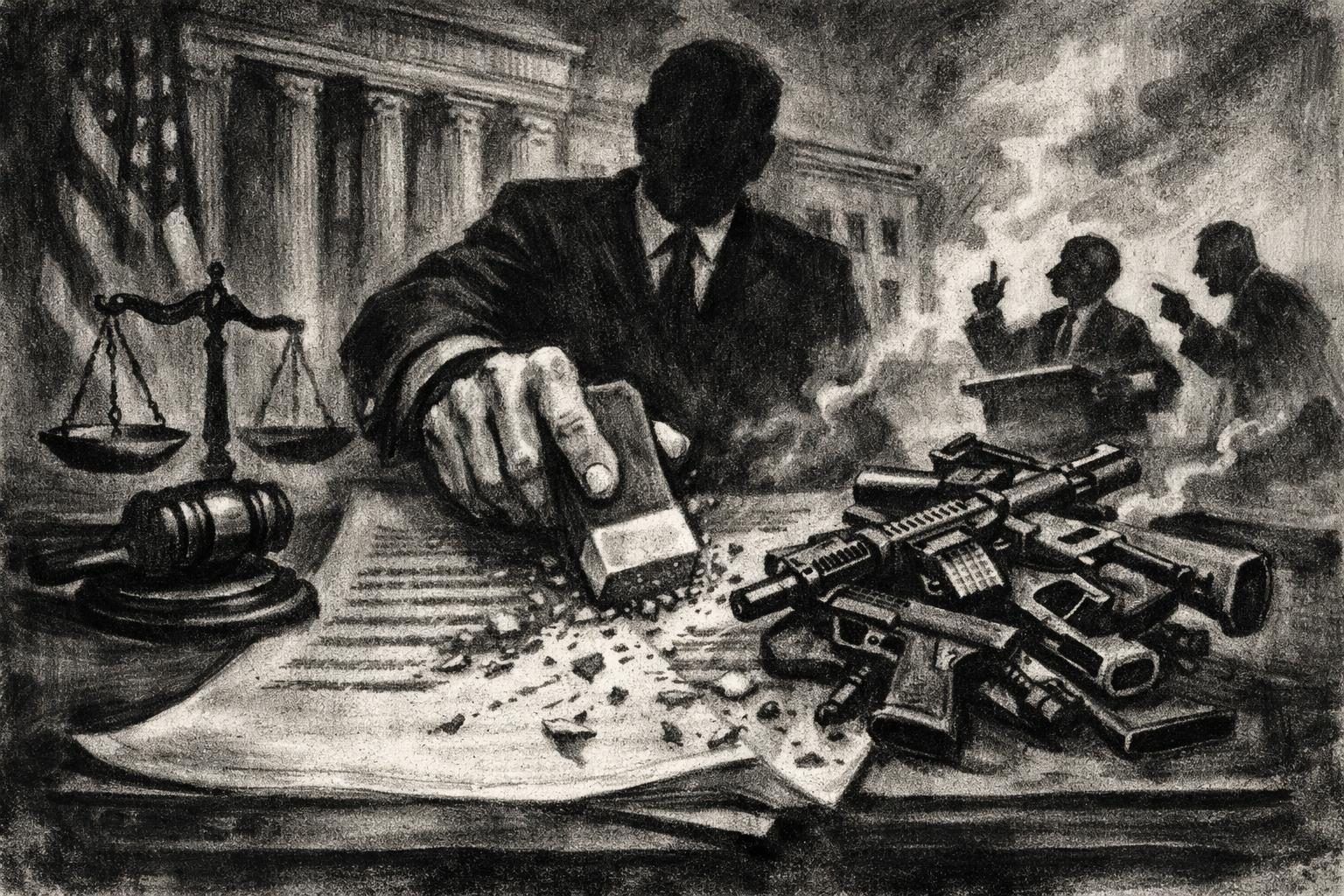
The Justice Department and the Bureau of Alcohol, Tobacco, Firearms and Explosives on April 29 rolled out 34 final and proposed firearms rulemakings, casting the package as a corrective to what the administration says was years of regulatory overreach. The changes were announced under Executive Order 14206, which directs agencies to review firearms rules through the lens of Second Amendment rights and to reexamine federal policies that may burden lawful gun ownership and firearms commerce. In the department’s telling, the point is not to weaken public safety, but to trim rules that are outdated, duplicative, or out of step with current law and current court decisions. Acting Attorney General Todd Blanche and ATF leadership framed the effort as a reset in enforcement priorities and a repudiation of what they described as the weaponization of federal authority against responsible gun owners. It was a deliberately political rollout, and it was meant to sound like one: the government is saying it is restoring common sense, while signaling to its supporters that it intends to spend less time policing conduct that it views as lawful.
What makes the announcement especially important is that it is not a single rule change, but a bundle of them, and that means the real consequences will depend on the fine print. Some of the actions are final, some are only proposed, and many will still have to survive publication in the Federal Register, public comment, internal revisions, and possibly further review before they become fully operative. That process matters because the headline version of a rulemaking often looks cleaner than the legal text underneath it. The administration can claim victory on the day of the announcement, but the actual legal effect may be narrower, more technical, or slower to arrive. In that sense, the package functions as both policy and messaging: it lets the White House say it is moving aggressively on gun regulation now, even as the machinery of administrative law ensures that much of the substantive work is still ahead. That mismatch between the announcement and the eventual rule text is where a lot of the future conflict is likely to come from.
The likely flashpoints are easy to see even before all the language is public. Critics are expected to argue that the agencies are stretching their authority, either by narrowing enforcement tools too aggressively or by rewriting rules in ways that conflict with existing statutes and precedent. Depending on the specifics, states, gun-safety groups, local governments, and perhaps some industry actors could all end up in court, though they may not all be fighting for the same outcome. Some will argue the administration is giving too much ground on public safety, while others may say it is not going far enough to clean up a patchwork of federal restrictions. That range of possible objections underscores a basic problem with large rulemaking bundles: when you move 34 pieces at once, you increase the odds that at least a few of them will draw immediate legal challenges. The Justice Department says the package is designed to streamline regulation without compromising safety, but that is a policy assertion, not a judicial finding. If the rules alter licensing obligations, enforcement standards, or the balance between federal and state authority, then the courts will almost certainly be asked whether the agencies stayed within the law they are supposed to administer.
The broader political significance is that the administration is once again treating rulemaking as a form of public theater as much as a governing tool. That approach is not unique to gun policy, but gun regulation is especially well suited to it because it sits at the intersection of constitutional argument, cultural identity, and bureaucratic detail. The White House can present the changes as a restoration of rights and a rejection of prior excess, while its opponents can portray them as a dangerous retreat from safeguards that were already too weak. Both narratives can coexist for a while, which is part of why these fights tend to get messier over time. If the rules hold up, the administration will claim vindication and say the legal system ultimately confirmed its approach. If some are blocked or whittled down, it will still have had the benefit of the announcement itself, even if the eventual policy is smaller than the rhetoric suggested. That is the core gamble in this kind of rollout: the political payoff comes immediately, while the legal consequences arrive later and often in fragments. For now, the administration has sent a clear signal that it wants to use federal rulemaking to pull back on gun regulation. The harder question is how much of that rollback will survive contact with the courts once the actual text is out in the open.
Comments
Threaded replies, voting, and reports are live. New users still go through screening on their first approved comments.
Log in to comment
No comments yet. Be the first reasonably on-topic person here.