
Bessent frames Trump trade agenda as an economic shield as Democrats attack tariffs
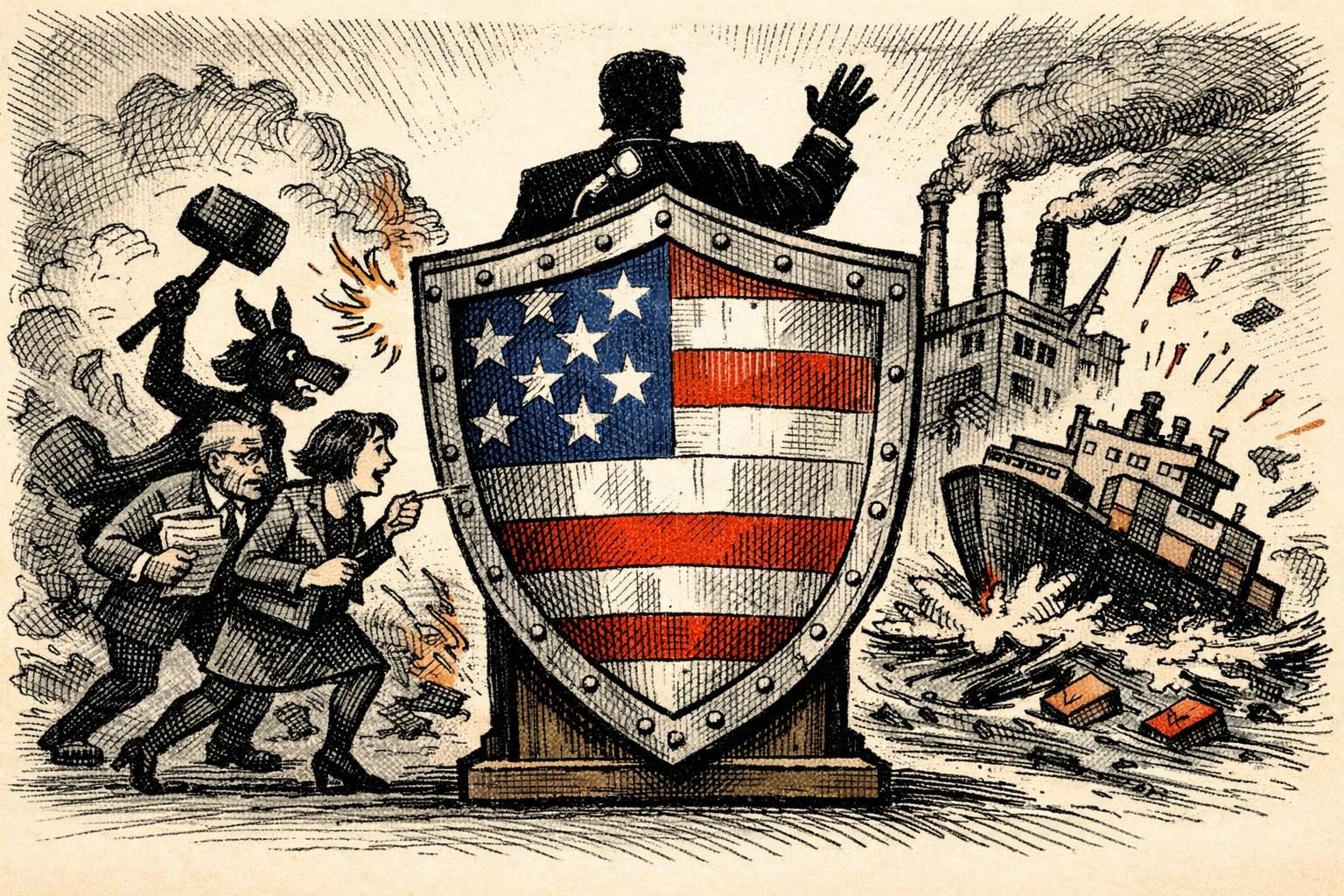
Treasury Secretary Scott Bessent used an April 30 speech at the Export-Import Bank’s annual conference to cast the administration’s trade agenda in security terms. In remarks posted by Treasury, Bessent said the government is building an “economic shield” that protects supply chains, secures critical resources and reinforces resilience in the United States and among its allies. He said the administration is pursuing a broader economic rebalancing meant to help American companies compete on fair terms, support exporters and improve market access.
That was the selling point. The policy pitch was not tariffs alone, but tariffs folded into a larger argument about industrial capacity, supply chains, energy and national security. Bessent’s remarks linked domestic production to global economic power and presented the administration’s trade push as part of a coordinated effort to strengthen U.S. leverage. He also pointed to energy output, critical-minerals supply chains and the need to protect economic chokepoints as reasons to treat trade policy as a strategic tool rather than a standalone tax fight.
Democrats on the House Ways and Means Committee were hearing a different story. In an April 22 opening statement tied to a hearing with U.S. Trade Representative Jamieson Greer, Rep. Richard Neal said the president’s “illegal use of emergency powers to impose sweeping tariffs” had been rejected by the courts. Neal said the administration was still searching for new pretexts to raise costs on American families, allies and industries, and he argued that jobs had been lost and supply chains disrupted.
Neal also claimed the policy was showing up in higher prices, citing beef, coffee and vegetables as examples. Those are Democratic allegations, not findings in the Treasury speech. But they do show how the tariff fight has hardened into a broader argument over law, prices and who pays when the White House leans on trade restrictions as a governing tool.
The split is simple enough. Bessent wants the public to hear a plan for resilience, production and strategic defense. Democrats want the same policy heard as emergency-power overreach that drives up costs and leaves the courts to clean up the mess. The fight is now as much about what tariffs are supposed to mean as it is about the tariffs themselves.
Comments
Threaded replies, voting, and reports are live. New users still go through screening on their first approved comments.
Log in to comment
No comments yet. Be the first reasonably on-topic person here.