
DOJ report on alleged anti-Christian bias is an executive finding, not a court ruling
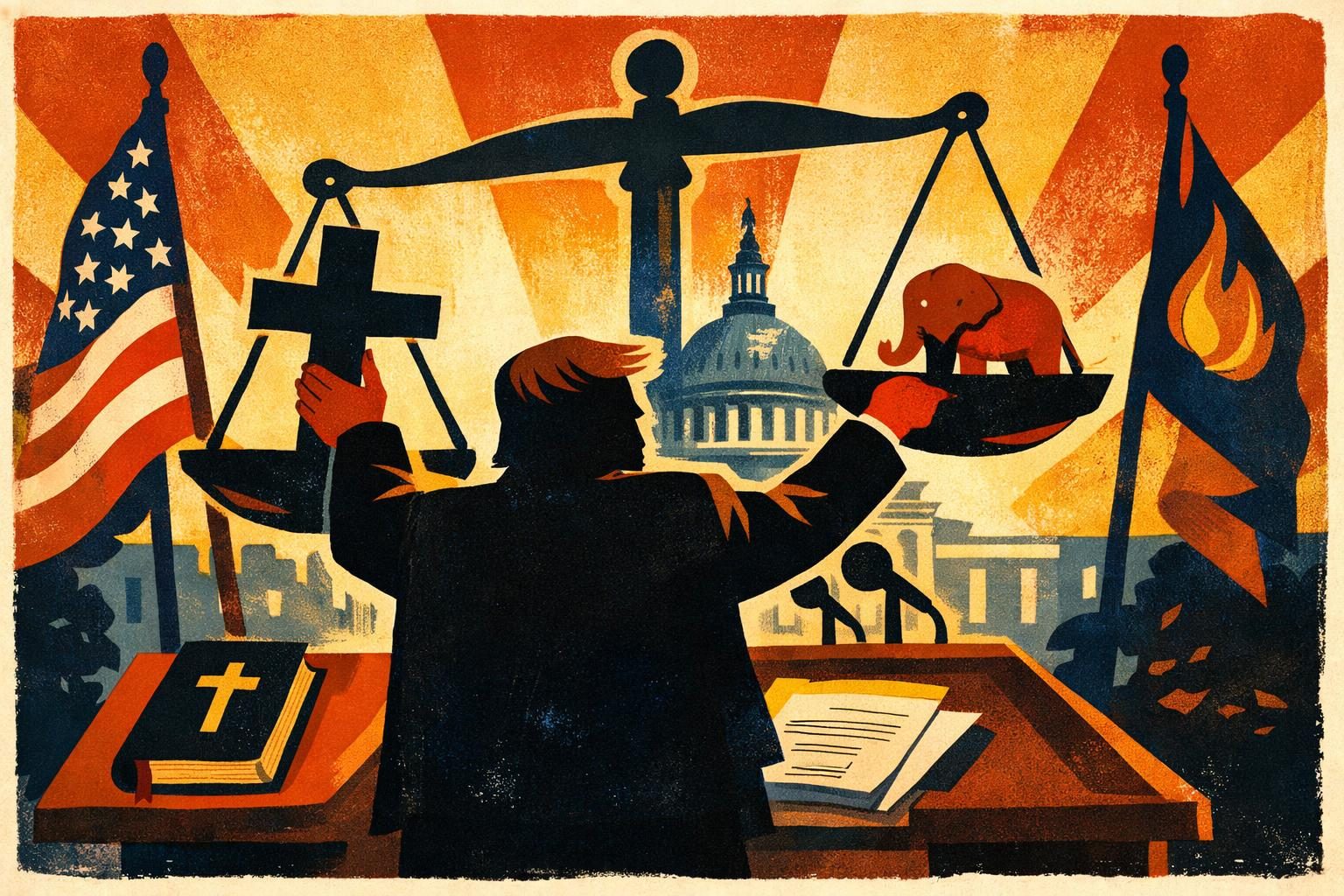
The Justice Department on April 30, 2026, released a task-force report that alleges the Biden administration’s policies, prosecutions and internal practices reflected anti-Christian bias across parts of the federal government. The report was issued under Executive Order 14202 and came from the Task Force to Eradicate Anti-Christian Bias, chaired by Acting Attorney General Todd Blanche, according to DOJ. It is a government report, not a court ruling or legal judgment.
DOJ says the final report draws on material from 17 federal agencies, more than 1,100 footnotes and more than 300 pages of exhibits. The department also says the task force reviewed internal discussions, case files and prosecutorial decisions and met with more than 100 stakeholders and victims during the process. That is a large paper trail. It is still an executive-branch account, assembled inside the same government that is making the accusation.
The report points to a wide set of issues, including conscience rights, the Johnson Amendment, penalties involving Christian universities, girls’ sports, vaccine mandates and what DOJ describes as the exclusion of Christians from public programs. In the report’s telling, agencies used policy and regulatory tools in ways that burdened Christian beliefs and free exercise. Those are the report’s claims, not findings tested by a court.
That distinction matters. The task force is not resolving a case here, and the report does not carry the force of a judicial decision. It is a formal statement of the administration’s view of how the previous White House and federal agencies treated religious liberty claims. Supporters will treat it as overdue recognition of discrimination. Critics will see it as the federal government giving an official stamp to a culture-war argument.
The report also shows how the administration wants the issue framed. DOJ pairs the document with a broader claim that the current government is restoring religious liberty. Whatever one thinks of the underlying politics, the mechanics are plain: the federal government is using its own review process to put forward a single interpretation of a disputed record.
Comments
Threaded replies, voting, and reports are live. New users still go through screening on their first approved comments.
Log in to comment
No comments yet. Be the first reasonably on-topic person here.