
Trump expands Cuba sanctions, and the White House leaves the exit door unlabeled
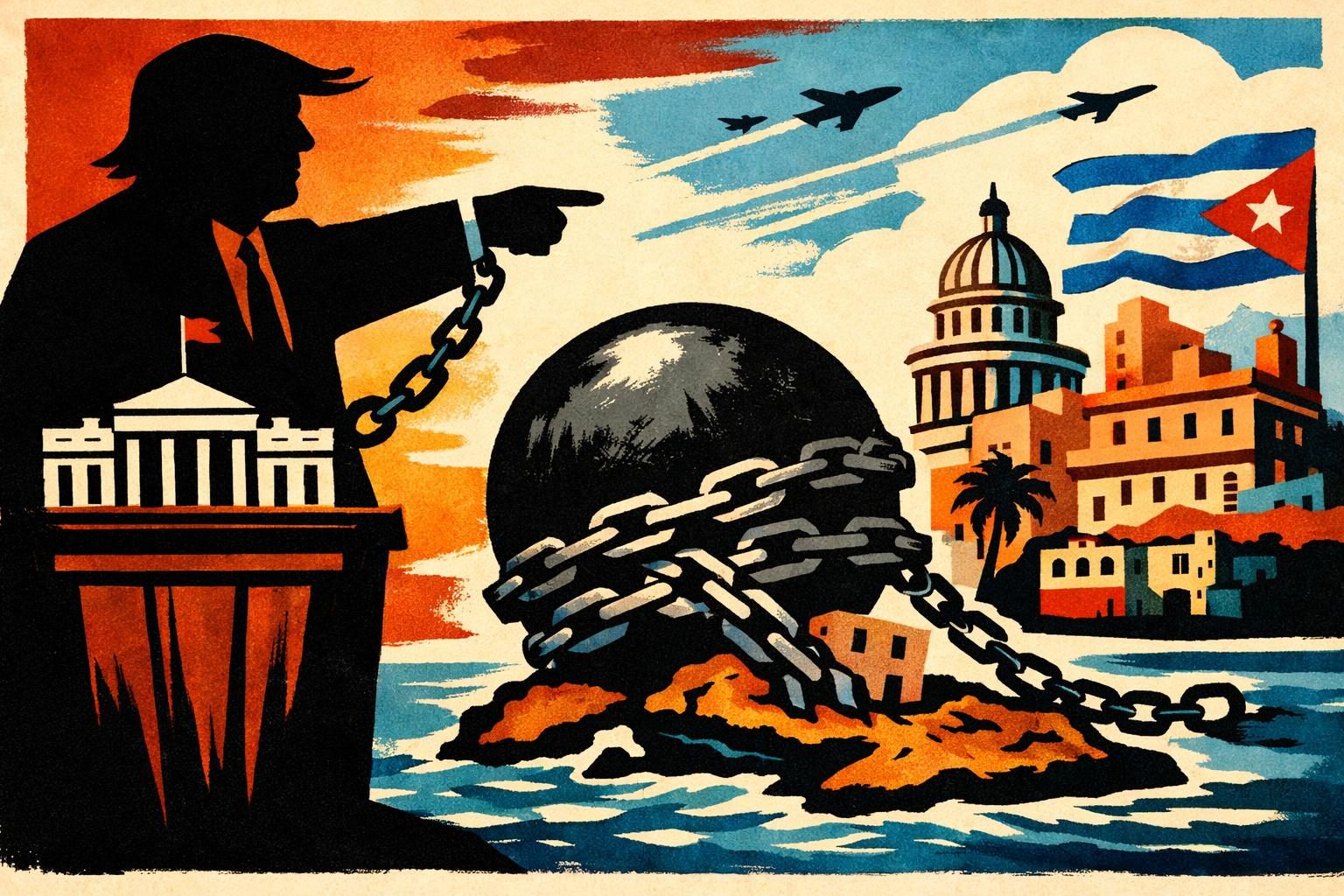
President Donald Trump signed an executive order on May 1, 2026, that expands U.S. sanctions on Cuba and widens the list of people and entities that can be targeted by Washington. The White House says the order is meant to respond to repression, corruption and threats to U.S. national security and foreign policy, and the text invokes the International Emergency Economic Powers Act, the National Emergencies Act and the president’s immigration authority. ([whitehouse.gov](https://www.whitehouse.gov/presidential-actions/2026/05/imposing-sanctions-on-those-responsible-for-repression-in-cuba-and-for-threats-to-united-states-national-security-and-foreign-policy/))
The order blocks property and interests in property of foreign persons the administration determines operate in key sectors of the Cuban economy, act for or on behalf of the Cuban government or blocked persons, materially assist the government, serve as leaders or senior executives, or are responsible for serious human rights abuse or corruption. It also authorizes sanctions on foreign financial institutions that conduct or facilitate significant transactions for blocked persons. In practice, that gives the administration broader leverage over people and firms tied to the Cuban state, including banks that clear or move money for sanctioned actors. ([whitehouse.gov](https://www.whitehouse.gov/presidential-actions/2026/05/imposing-sanctions-on-those-responsible-for-repression-in-cuba-and-for-threats-to-united-states-national-security-and-foreign-policy/))
The White House fact sheet says the new measures add restrictions under IEEPA and are aimed at entities, persons, affiliates and financial institutions that support the Cuban regime or transact with sanctioned parties. It also says the administration is acting against what it describes as hostile actors, terrorism and regional instability linked to the Cuban government. Those claims reflect the administration’s own case for the policy, not an independent finding by the order itself. ([whitehouse.gov](https://www.whitehouse.gov/fact-sheets/2026/05/fact-sheet-president-donald-j-trump-imposes-sanctions-on-cuban-regime-officials-responsible-for-repression-and-threats-to-u-s-national-security-and-foreign-policy/))
What the paperwork does not do is lay out a public off-ramp. The order names sanctionable conduct and the fact sheet explains the new restrictions, but neither document sets a benchmark for easing pressure, a review schedule or a specific political concession that would trigger relief. That leaves the White House with a broader sanctions toolkit and little public guidance on how the pressure would be reduced if Havana changed course. ([whitehouse.gov](https://www.whitehouse.gov/presidential-actions/2026/05/imposing-sanctions-on-those-responsible-for-repression-in-cuba-and-for-threats-to-united-states-national-security-and-foreign-policy/))
That absence matters because sanctions work best when the target can see some path to a lighter landing. Here, the administration is betting that broader financial pressure will force a response or raise the cost of support for the Cuban government. Whether that produces leverage or just more caution from banks and intermediaries is an open question. What is clear from the order is simpler: Washington has expanded the list of things it can punish, and it has not publicly said what would make it stop. ([whitehouse.gov](https://www.whitehouse.gov/presidential-actions/2026/05/imposing-sanctions-on-those-responsible-for-repression-in-cuba-and-for-threats-to-united-states-national-security-and-foreign-policy/))
Comments
Threaded replies, voting, and reports are live. New users still go through screening on their first approved comments.
Log in to comment
No comments yet. Be the first reasonably on-topic person here.