
Trump’s Cuba sanctions still look more like pressure theater than a coherent endgame
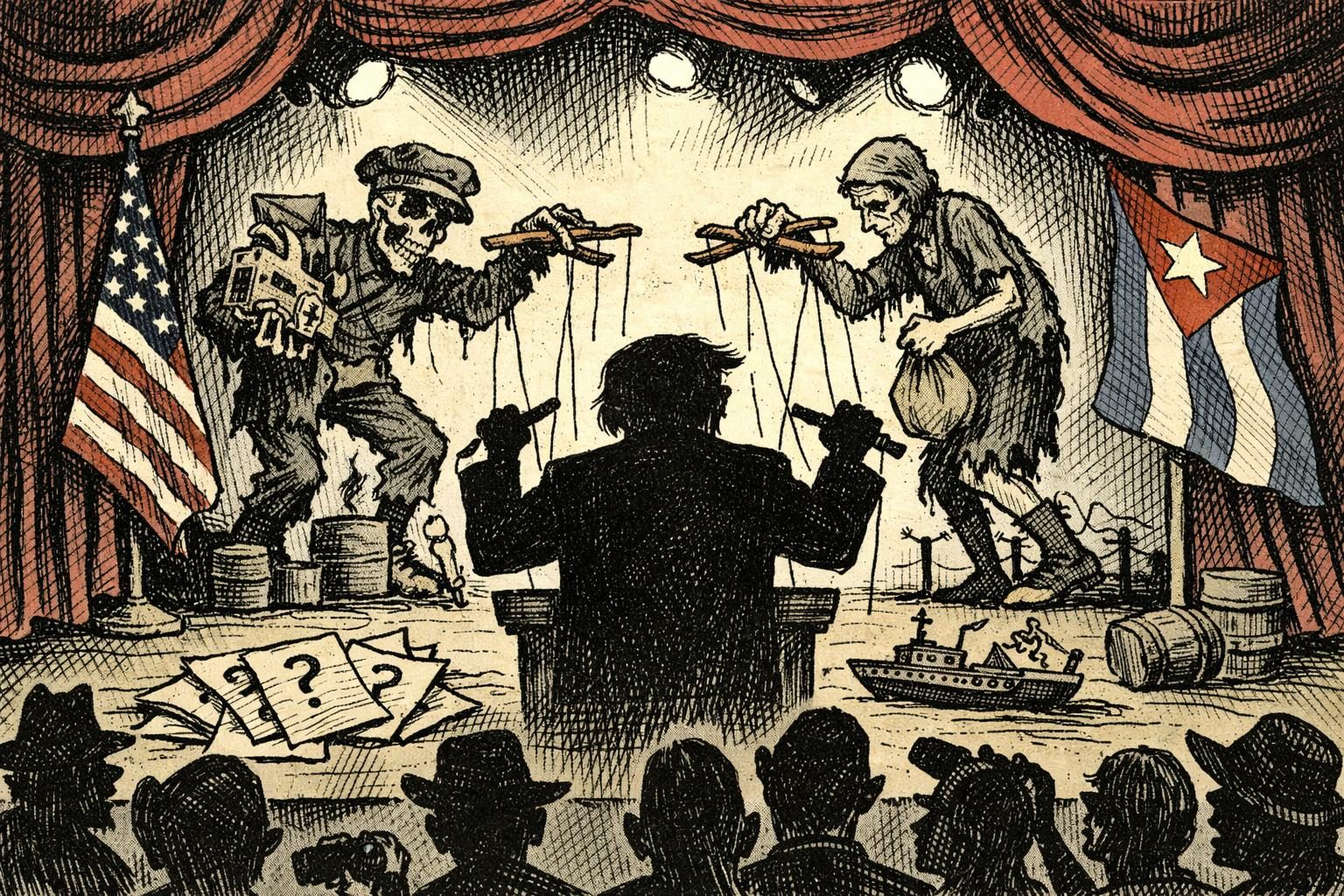
On May 1, the Trump White House unveiled another Cuba sanctions package, and on paper it is broader than a simple symbolic swipe. The new order and accompanying fact sheet expand restrictions on Cuban officials, entities, and the financial actors that help keep them funded and insulated. It blocks property and interests in property for a wide set of covered persons, suspends entry into the United States for certain foreign persons, and gives the administration room to target foreign financial institutions that conduct or facilitate significant transactions for blocked people and entities. The official rationale is familiar enough: punish repression, corruption, and conduct the White House says threatens U.S. national security and foreign policy. But for all the added machinery, the most important question is still missing from the paperwork. The administration says what it wants to punish, but not what success is supposed to look like. Without a stated benchmark, the package reads less like a strategy with a destination and more like a show of force in search of one.
That omission matters because sanctions only become more than a punishment when they are tied to a clear objective and a believable path from pressure to outcome. In the best cases, they are part of a larger policy design that identifies the target, explains the leverage, and defines an off-ramp if conditions change. Here, the White House has given itself more tools, but not a theory for how those tools will translate into results. If the aim is to push Havana toward different behavior, then the administration still has to say what kind of behavior it wants to change, which institutions or networks matter most, and what signs would convince it the policy is working. That is not a trivial gap. A sanctions regime can be broad, aggressive, and technically well drafted while still being strategically vague. When that happens, it becomes easy to keep adding penalties without ever having to answer the basic question of whether the pressure is working, failing, or merely producing a lot of administrative motion.
The political logic of the move is easy to see, and that is part of why it should be treated skeptically. Cuba has long served as a convenient backdrop for hard-line messaging, especially when a president wants to look tough on an old adversary with little domestic political risk. A sanctions announcement can deliver an instant headline, an appearance of resolve, and a clean moral frame built around repression and state abuse. But optics are not the same thing as outcomes. If the administration believes this latest package will alter behavior rather than just reassert hostility, it should be able to explain how it plans to measure the effect. That means more than listing prohibited conduct. It means saying whether the White House sees leverage in financial pressure, travel restrictions, diplomatic isolation, or some combination of the three. It also means addressing what role, if any, diplomacy still plays when the goal is to change behavior instead of simply accumulating penalties. The official materials do not answer those questions, and that silence leaves the policy feeling more performative than purposeful.
There is also the practical problem that sanctions rarely land where the rhetoric says they will. The stated target may be officials, entities, and foreign facilitators, but the broader economic fallout can still fall heavily on ordinary Cubans who have the least control over state policy and the least ability to absorb new restrictions. That does not automatically make sanctions illegitimate, but it does make their design and justification matter more. If the White House wants the policy to be seen as more than symbolic punishment, it should say how it will assess collateral damage and what safeguards exist to limit it. It should also explain how enforcement will avoid turning into an endless cycle of new designations, evasion, and follow-on crackdowns that steadily broaden the net without moving the political center of gravity in Havana. The administration’s own documents are thin on those points. They describe the pressure in detail, but they do not offer a convincing account of the end state. That leaves the policy vulnerable to the most common Washington failure mode: announcing toughness, proving it can inflict pain, and then treating the absence of collapse as proof that the strategy is somehow succeeding.
That is the deeper flaw in the approach, and it is not unique to Cuba. It fits a familiar Trump-era pattern in foreign policy: treat each new sanctions package as evidence of seriousness, even when the broader theory of change is fuzzy or nonexistent. Washington can always escalate. It can always freeze more assets, blacklist more people, and threaten more institutions. What it has a harder time doing is showing that any of those moves created durable leverage, improved the underlying situation, or opened a realistic path to a different outcome. Without a defined success metric, the administration is left with a policy that can expand indefinitely but cannot clearly finish. That is how pressure theater works. It rewards the act of punishing more than the work of governing the consequences. In the case of Cuba, the White House may have built a wider sanctions net, but it still has not explained what it expects the net to catch, when it will know the job is done, or how much damage it is willing to accept on the way there.
Comments
Threaded replies, voting, and reports are live. New users still go through screening on their first approved comments.
Log in to comment
No comments yet. Be the first reasonably on-topic person here.