
Trump’s new Cuba sanctions look tough, but they may buy more chaos than leverage
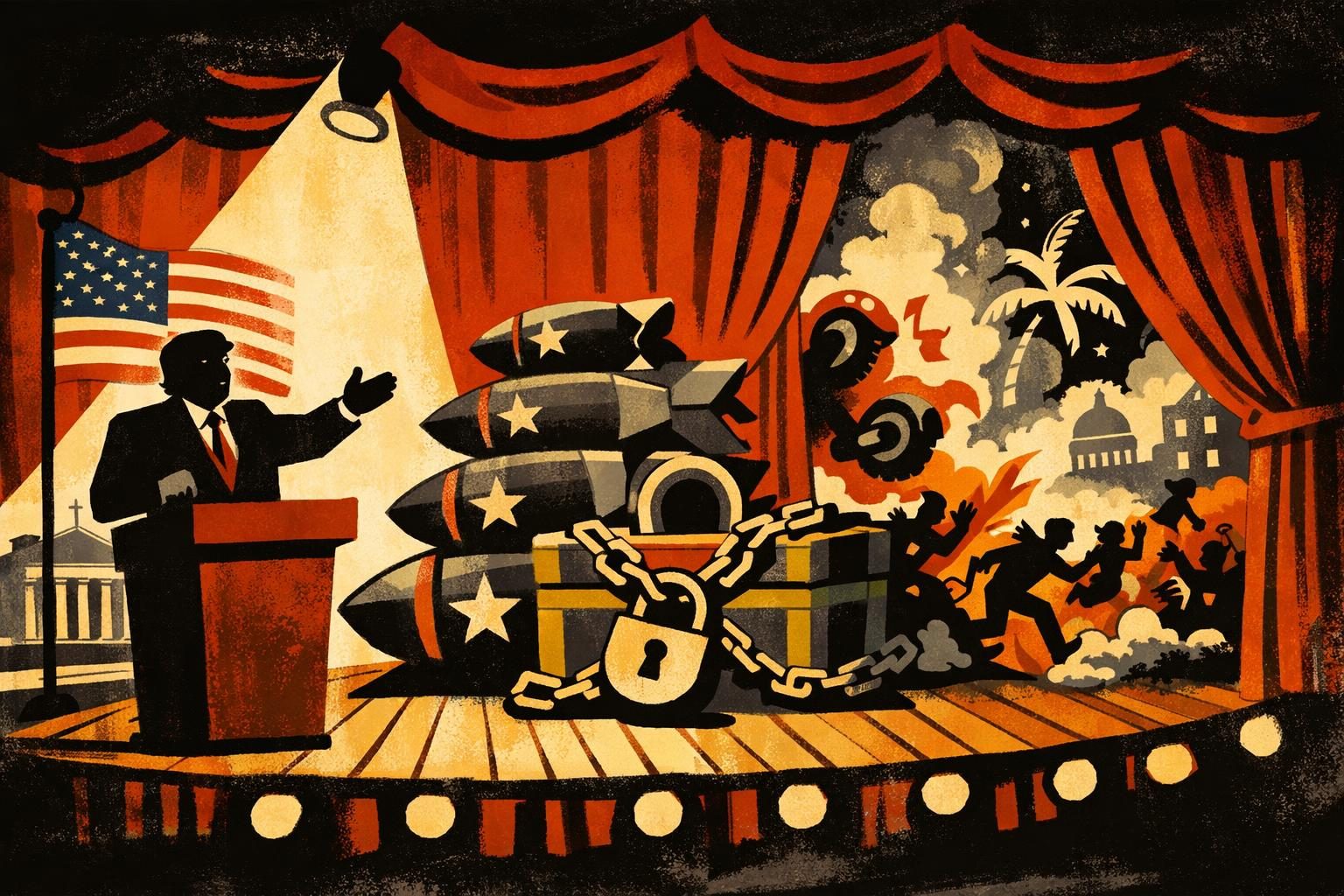
Donald Trump’s administration used the first days of May to put Cuba back in the sanctions crosshairs, rolling out a new executive order and an accompanying fact sheet that widen restrictions on the Cuban government and on the officials, entities, and financial actors the White House says help sustain it. The administration says the move is meant to punish human rights abuses, corruption, and threats to U.S. national security and foreign policy interests. On paper, it adds another layer to an already thick sanctions framework by broadening the government’s authority under the International Emergency Economic Powers Act and by targeting people and institutions that facilitate transactions with sanctioned actors. In practice, it is one more turn of the same pressure campaign that Washington has leaned on for years: isolate, restrict, announce, repeat. That may sound decisive, but it also fits neatly into a style of foreign policy that often confuses visible action with measurable leverage.
The White House is presenting the package as a serious step toward accountability and as a signal that the administration is willing to tighten the screws on Havana rather than settle for diplomatic gestures. It says the sanctions are intended to protect American security and support the Cuban people, two goals that are easy to state and much harder to reconcile through punishment alone. The order appears designed to make it more difficult for designated actors to move money, conduct transactions, or rely on the kinds of financial intermediaries that keep sanctions-busting networks functioning. That is the theory, at least. The harder question is whether additional restrictions change behavior in any meaningful way, or simply add more rules that bad actors learn to route around while ordinary Cubans absorb more of the economic pain. Sanctions can be a blunt instrument that disrupts access and forces costs, but they can also become a kind of policy wallpaper: constantly refreshed, highly visible, and only loosely connected to real outcomes.
That is why the new Cuba action lands less like a fresh strategy than like a familiar political reflex. The administration gets to project toughness against an old adversary, and Trump gets another stage on which to perform the language of punishment and strength that has long defined his foreign-policy branding. Cuban Americans, human-rights advocates, business interests, and policy analysts are likely to look past the rhetoric and ask what the end state is supposed to be. If the objective is to pressure the Cuban leadership into changing course, then the White House still has to show where that pressure becomes leverage rather than background noise. If the objective is to signal resolve to a domestic audience, then the announcement is already doing its job. But if the claim is that this is the start of an effective, coherent Cuba policy, the burden remains on the administration to explain what is different this time and why more sanctions will produce anything that previous rounds did not. The problem with sanctions theater is that it can always generate a fresh press release long before it generates a result.
The larger risk is that the administration is building a politics of punishment without a convincing theory of change. Sanctions are easy to announce, especially when they are framed around corruption, repression, and national security. They are much harder to evaluate once the headlines fade and the practical effects begin to spread through existing commercial, diplomatic, and humanitarian channels. A policy can look forceful while still being strategically thin, and the gap between those two things is where this Cuba move starts to wobble. The White House has put down markers, but markers are not outcomes. If the new restrictions truly create leverage, the administration will need to show how they alter incentives in Havana rather than just add another entry to the sanctions ledger. If they do not, the likely result is more friction, more circumvention, and more political theater dressed up as strategy. That is the broader screwup here: when toughness becomes the message and the message becomes the policy, the government can keep punishing forever without ever proving it has actually changed anything.
Comments
Threaded replies, voting, and reports are live. New users still go through screening on their first approved comments.
Log in to comment
No comments yet. Be the first reasonably on-topic person here.