
Trump turns EU auto tariffs into another deadline game
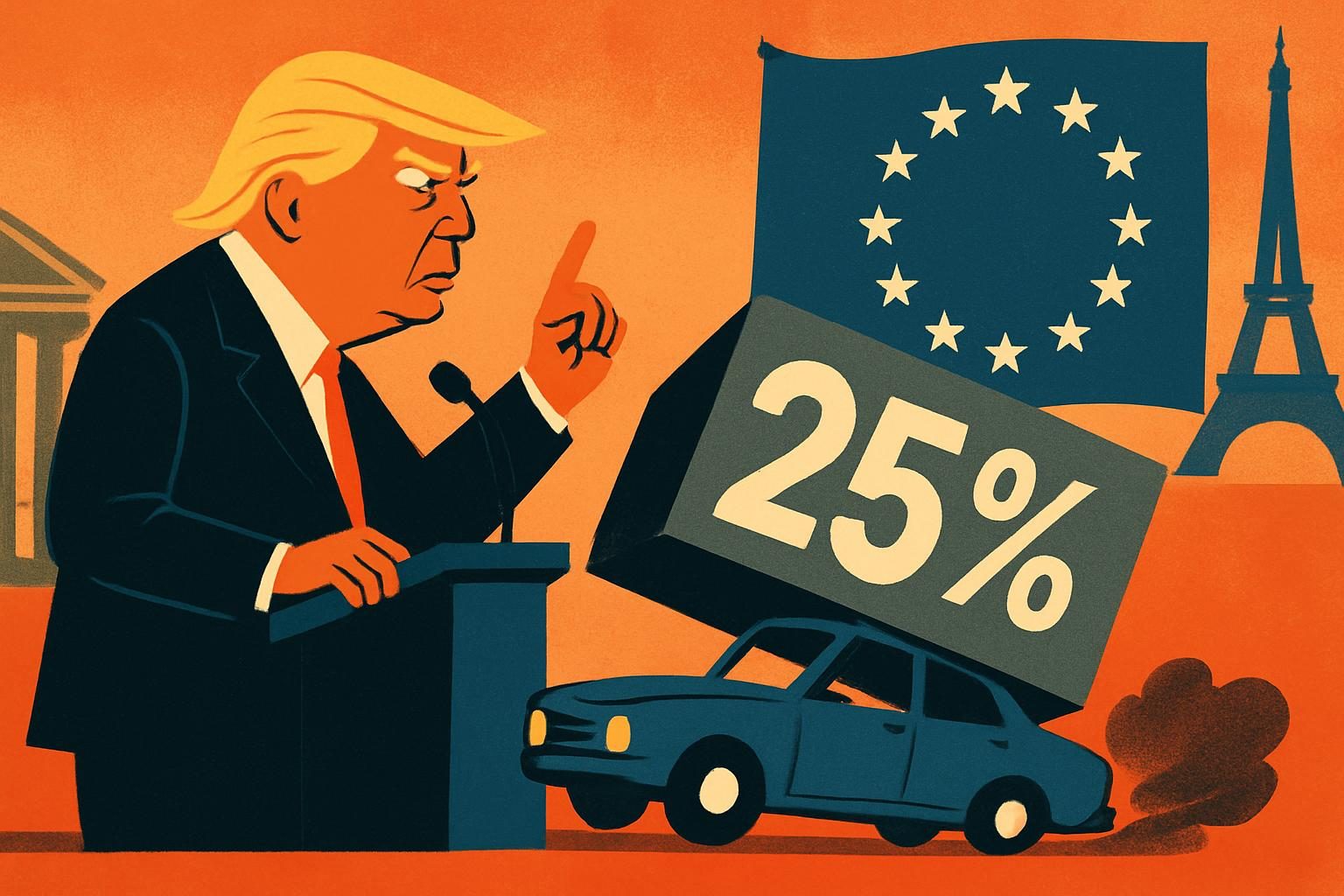
President Donald Trump is leaning on the European Union again over autos, but the official paper trail does not show a new EU-specific 25% tariff order taking effect next week. What it does show is a March 2025 proclamation that set a 25% tariff on imported automobiles and certain automobile parts, plus an August 2025 U.S.-EU framework that made any tariff relief for European autos contingent on Brussels first taking specific legislative steps.
That distinction matters. The White House framework says the United States will apply the higher of the most-favored-nation rate or 15% on originating EU goods, and it links any reduction in auto and auto-part tariffs to the EU’s formal introduction of the required legislative proposal. In other words, the tariff relief is conditional, not automatic. The European Commission’s own statement on the framework describes the same basic sequence: the deal set the terms, but the EU still had work to do before the United States would move on autos.
The March 2025 proclamation is the baseline Trump is operating from. It imposed a 25% tariff on automobiles and certain auto parts imported into the United States. The later U.S.-EU framework did not erase that action; it created a possible off-ramp if the EU completed the steps the administration said were necessary. The current fight is over whether Brussels has done enough to trigger that relief, not whether a fresh blanket EU-only tariff has already been formally scheduled for next week.
For automakers, suppliers and dealers, the problem is the same one that has followed Trump’s trade policy all year: the rules can be made to look provisional even when the underlying tariffs are already in place. Cars and parts cross borders multiple times before they reach a showroom or assembly line, so any shift in tariff treatment can ripple through sourcing, production and investment decisions well before a duty bill arrives. That leaves companies trying to read not just the law, but the administration’s next move.
The practical result is a standoff built on leverage. Trump can threaten tougher treatment for European autos. Brussels can point to the framework and argue it is following the process. But unless the White House issues a new formal action, the existing 25% auto tariff remains the operative policy, and the EU’s tariff relief still depends on the legislative steps laid out in the 2025 agreement.
Comments
Threaded replies, voting, and reports are live. New users still go through screening on their first approved comments.
Log in to comment
No comments yet. Be the first reasonably on-topic person here.