
Trump tries to declare the Iran war finished to sidestep Congress
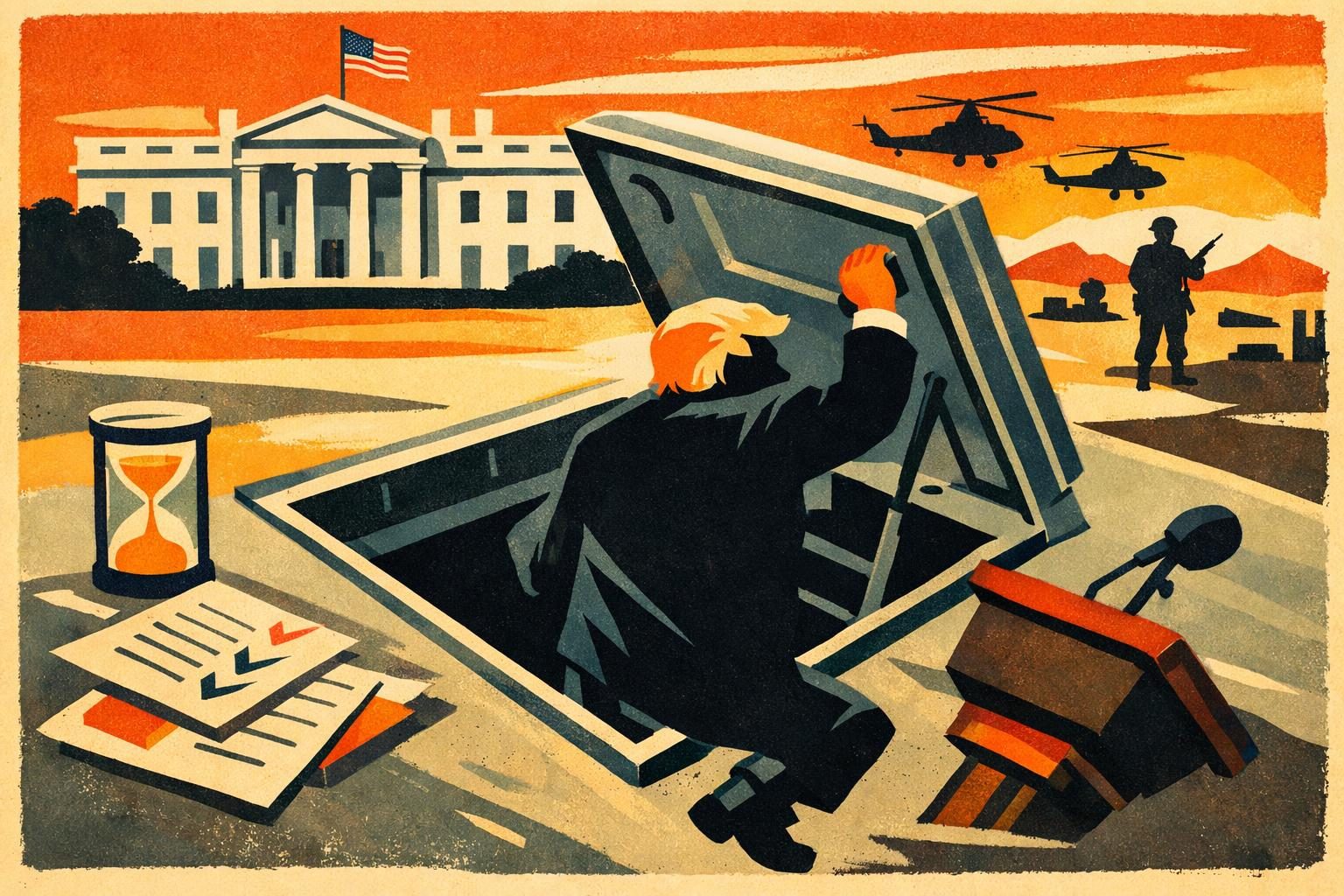
The Trump White House is trying to declare victory in the legal sense just as the War Powers deadline came due, telling Congress that hostilities with Iran had “terminated” and therefore no longer trigger the clock that can force a president to seek authorization for military action. The timing was not subtle. The notice landed right as lawmakers were poised to argue over whether the administration had crossed the line from a limited operation into something that still looked and felt like an ongoing war. On paper, the White House is saying the ceasefire is enough to put the matter to rest. In practice, it looks like an attempt to convert a fragile pause in fighting into a legal exit ramp before Congress can demand a vote.
That matters because the War Powers Resolution was built for exactly this kind of fight over definitions. A president can call military action by another name, but Congress wrote the law to prevent semantic maneuvering from swallowing the constitutional question. The statute is designed to force a choice: either the president gets authorization, or the operation winds down after the deadline. By saying the conflict with Iran has been “terminated,” the administration is arguing that the 60-day clock no longer applies because there is nothing left to count. That is a neat theory if the ceasefire is durable and the military posture has truly changed. It is a much shakier argument if U.S. forces are still deployed in the region, the strategic threat remains alive, and the situation can reignite without much warning. A ceasefire can suspend active hostilities, but it does not automatically erase the underlying conflict or resolve the question of who had authority to launch strikes in the first place.
The White House’s own description makes the maneuver look even more like legal housekeeping than a real end to the crisis. In the same communication, Trump said Iran still posed a significant threat and indicated that he would keep Congress informed about future developments. That is not the language of a clean military conclusion so much as the language of an unresolved confrontation being placed on ice. If the administration believes the threat is still serious enough to justify vigilance, monitoring, and continued military readiness, then the claim that hostilities are definitively over starts to sound less like a factual conclusion and more like a convenient label. Critics on Capitol Hill are already reading it that way, arguing that the White House is trying to outrun the requirement to come back for authorization. Even some Republicans have pushed for clarification on how the administration is interpreting the deadline and why it believes the clock can simply stop. That alone suggests the White House has not landed on a universally accepted explanation, no matter how firm its wording sounds on the page.
The deeper issue is that this fight is not really about one ceasefire or one letter. It is about how much room a president has to use force first and explain it later, especially when Congress is supposed to be the branch with the power to decide whether a war continues. If lawmakers let this stand, Trump will have established another precedent for stretching war powers until the law bends around the politics. If they push back, the dispute becomes another test case for whether a president can unilaterally declare a war started, paused, or finished depending on which version best avoids scrutiny. Either way, the administration is betting that a carefully chosen verb will buy enough time to spare it from a vote, and that is a risky bet in a body that is already suspicious of executive overreach. The broader message is familiar: when Trump runs into a hard legal limit, his instinct is not to concede the limit but to relabel the problem and hope the relabeling does the work. That may delay a confrontation with Congress, but it does not erase the unresolved questions sitting underneath the ceasefire. It also leaves the White House exposed if the calm breaks, because a war that has supposedly “terminated” can be hard to square with any future escalation. For now, the administration has chosen words over clarity, and Congress is left deciding whether that is an answer or just another dodge.
Comments
Threaded replies, voting, and reports are live. New users still go through screening on their first approved comments.
Log in to comment
No comments yet. Be the first reasonably on-topic person here.