
Justice Department turns Minnesota climate fight into another Trump energy courtroom brawl
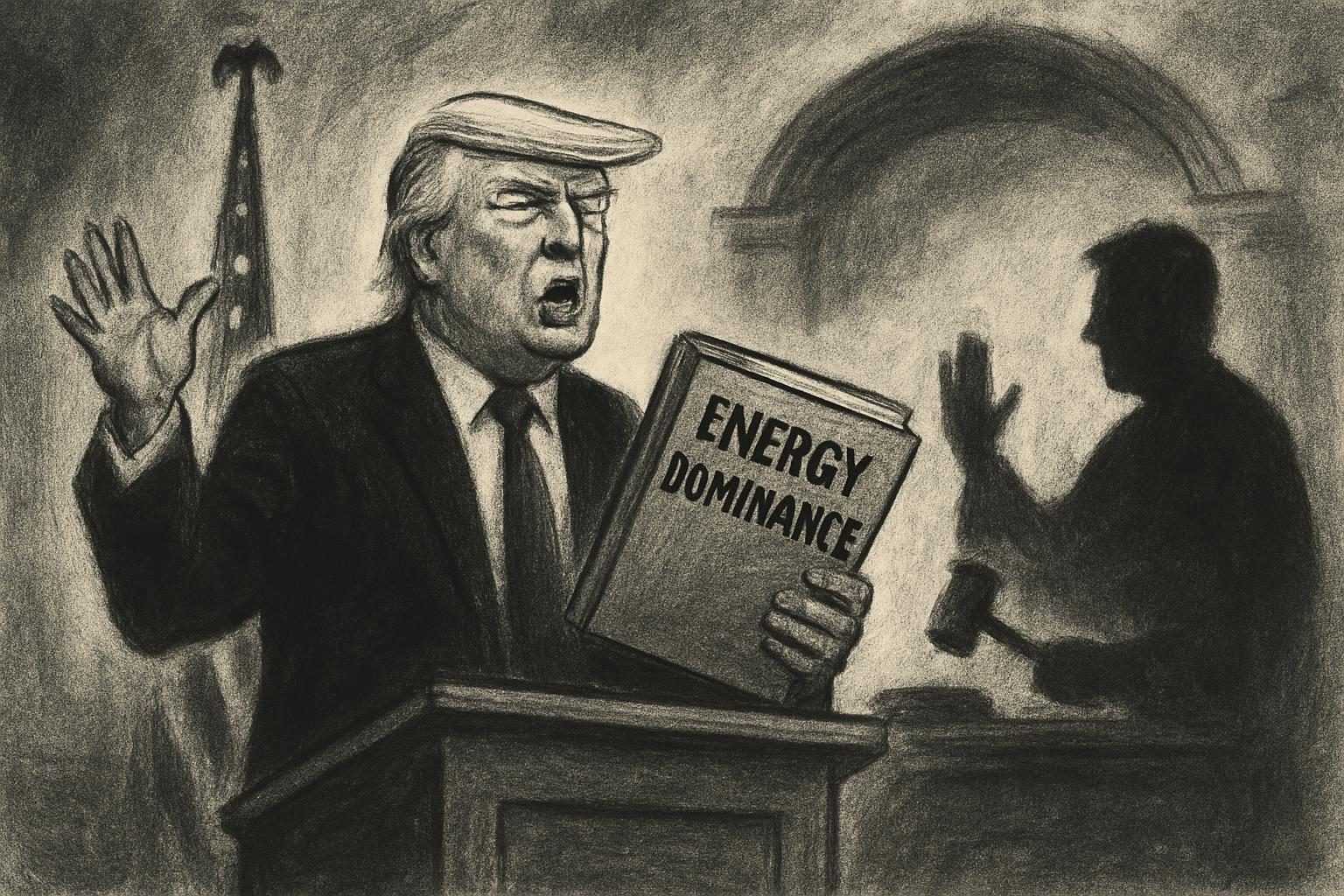
The Trump Justice Department has opened another front in the administration’s escalating war with states over energy and climate policy, filing a new complaint against Minnesota over a measure aimed at regulating global greenhouse gas emissions. Dated May 4, the complaint argues that the state is trying to step into territory the federal government says belongs to Washington alone and that its approach would place an unreasonable burden on domestic energy development. The filing is framed as part of President Donald Trump’s broader effort to shield American energy producers from what the White House sees as state-level interference. But the practical effect is familiar: when the administration wants to assert control, it turns to the courts and asks a judge to make the political claim stick. This case fits squarely into that pattern, adding another layer to the ongoing clash between federal authority and state climate ambitions.
The legal fight matters because it highlights how aggressively the administration is trying to redraw the boundary between state policy choices and federal power. According to the complaint, Minnesota’s climate measure intrudes on an area of exclusive federal authority, a framing that sets up the case as more than just a disagreement over emissions rules. It becomes a test of whether a state can push ahead with climate policy that the Trump team says conflicts with national energy priorities. State officials are not conceding the point simply because the Justice Department says the federal government should win by default. That means a judge will likely have to sort out whether this is a straightforward preemption dispute or a more sweeping attempt to block a state from setting its own environmental agenda. The distinction is important, because much of Trump’s governing style depends on treating executive language as if it were already settled policy. In court, that assumption does not carry the same weight it does in a rally speech or a press statement.
For Trump, the political upside is obvious. A lawsuit against Minnesota allows him to say he is standing up for workers, producers, and energy development against state officials he can cast as hostile to growth and prosperity. It gives the administration a chance to present itself as aggressive and decisive, especially on an issue where the president’s allies like to talk about abundance, independence, and strength. But the downside is just as clear. Every new case of this kind shows how much of the administration’s energy agenda depends on confrontation first and policy later, with the legal system serving as the mechanism that turns slogans into enforceable action. That is useful for messaging, especially when the White House wants a vivid fight that can be sold as a defense of ordinary Americans. It is less useful if the goal is durable policy, a stable investment climate, or predictable regulatory rules for industry and states alike. The complaint reads like another example of a government eager to turn climate policy into a battleground where symbolism matters as much as the actual legal theory.
The deeper issue is that these clashes turn governance into a permanent pressure campaign, with the White House repeatedly pushing a narrative of certainty while the courts determine whether any of it can survive. Minnesota’s decision to resist ensures the dispute will move through the judicial system rather than quietly settling into federal deference. That could give the administration a chance to argue that it is defending national energy interests against a state it sees as overreaching. It could also produce an outcome that exposes the limits of the strategy if judges decide the complaint goes too far. Either way, the case underscores how often Trump’s energy agenda relies on litigation to translate ambition into action. The promise is that the administration will deliver strength, dominance, and control. The reality is that it must first persuade a court that the law supports the same story. If the government wins, it will claim the case proves the president’s resolve. If it loses, it will have spent time, political capital, and attention on another fight that made the rhetoric sound bigger than the result. That gap between the promise and the outcome is the real throughline here, and it is becoming a defining feature of the administration’s approach to energy and climate conflict.
Comments
Threaded replies, voting, and reports are live. New users still go through screening on their first approved comments.
Log in to comment
No comments yet. Be the first reasonably on-topic person here.