
Trump Accounts get a new website, a new push, and the same old branding problem
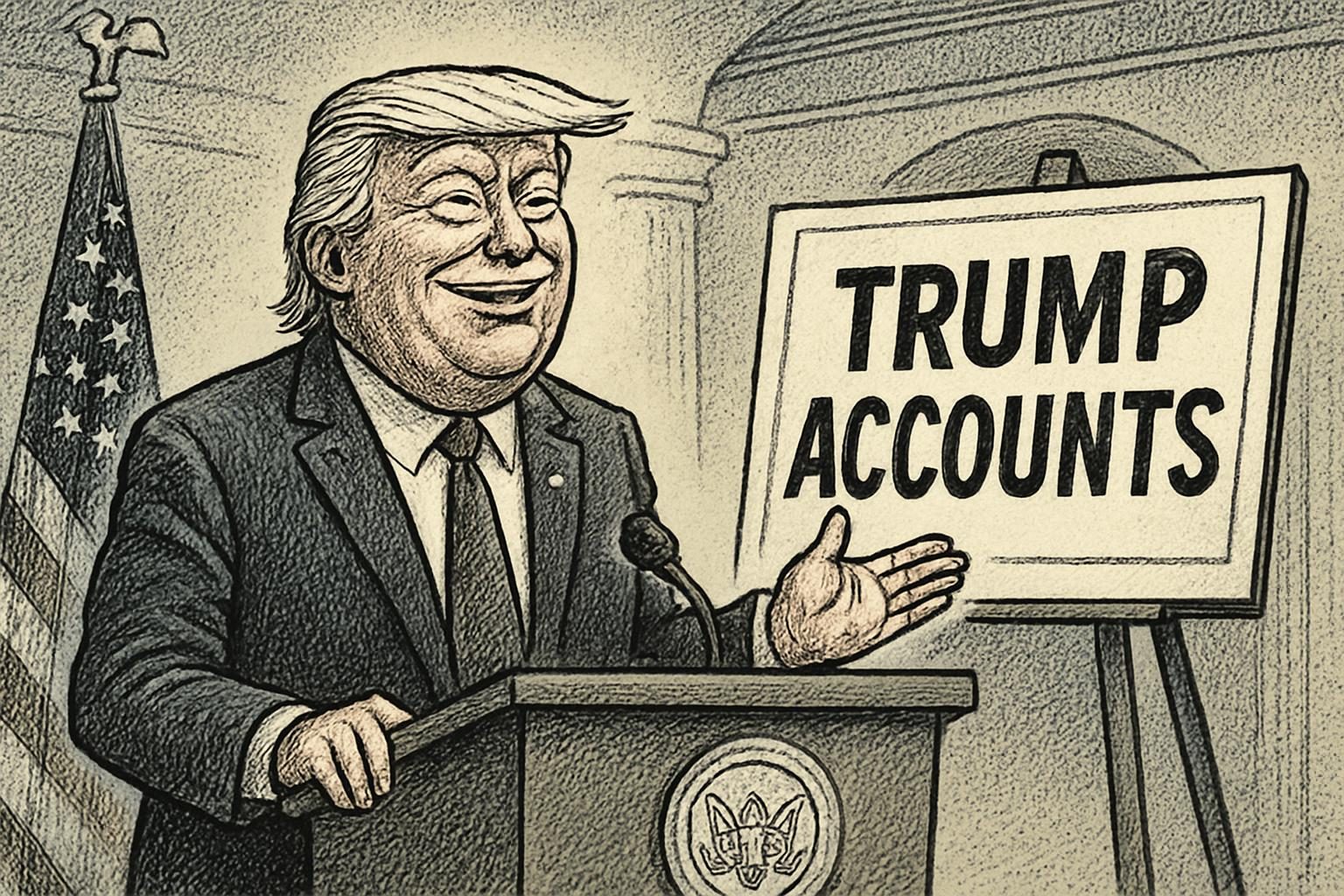
The administration’s retirement-savings rollout is becoming easier to track, partly because it is being stamped with the same surname at every step. Treasury and the IRS proposed regulations for Trump Accounts on March 6, 2026. On April 30, the White House issued an executive order that established TrumpIRA.gov. On May 5, SEC Chairman Paul Atkins said the SEC would take steps to help facilitate access to Trump Accounts. Taken together, the actions show a policy effort moving forward in pieces, with branding doing a lot of the public-facing work.
But the filings are not the same thing, and the distinction matters. The March 6 IRS and Treasury proposal deals with the mechanics of Trump Accounts themselves, including initial account rules and responsibilities. The April 30 White House order is a separate initiative aimed at retirement-savings access, with TrumpIRA.gov intended as a federal information site for IRAs and Saver’s Match participation. The SEC statement then addresses market access and investor-protection questions around the accounts. The documents are connected in purpose, but they are not one single rulemaking. citeturn0search0turn0search1turn0search2
The program is still in development. Treasury and the IRS said the March proposal was open for public comment, and the White House order sets a later deadline for the website to be fully in place, January 1, 2027. That means the administration is promoting a retirement product and building its support structure at the same time. That is not unusual in Washington, but it does mean the system is still being assembled while the branding is already fixed in place. citeturn0search0turn0search1
Atkins framed the SEC’s role as a way to support the rollout while keeping investor protections in place. He described Trump Accounts as a way to help Americans build wealth for the future and said the commission’s no-action relief would make access easier. That is an official endorsement, but it is also a reminder that the administration is asking the public to absorb a policy program wrapped in a personal brand. citeturn0search2
The politics of that choice are obvious. A retirement program built to last would usually benefit from plain labels, stable rules, and a clear separation between the policy and the politician. Here, the opposite is happening: the administration is making the name part of the pitch. Whether that helps participation or muddies understanding is not yet clear. What is clear is that the rollout is now tied to a brand that will carry both the promise and any future confusion with it. citeturn0search0turn0search1turn0search2
Comments
Threaded replies, voting, and reports are live. New users still go through screening on their first approved comments.
Log in to comment
No comments yet. Be the first reasonably on-topic person here.