Story · May 7, 2026

DOJ opens Virginia probe that looks a lot like punishment for a local prosecutor’s politics

Political probe Confidence 4/5
★★★★☆Fuckup rating 4/5
Serious fuckup Ranked from 1 to 5 stars based on the scale of the screwup and fallout.
Correction: Correction: The Justice Department announced it was opening an investigation on May 6, 2026; no findings have been reached.
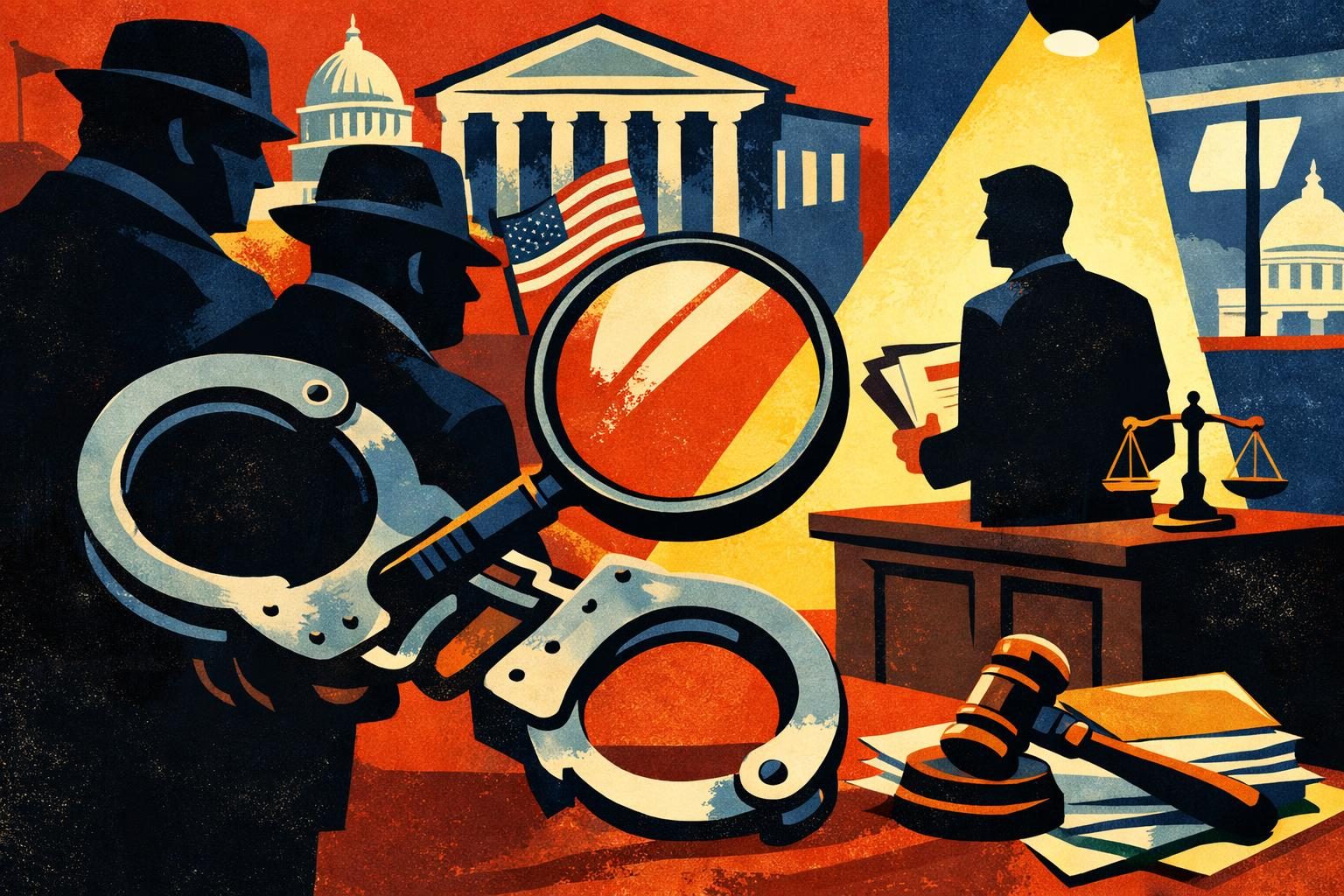
DOJ opens Virginia probe that looks a lot like punishment for a local prosecutor’s politics reader image
Reader image selected by automatic review and community voting.

On May 6, the Justice Department notified Fairfax County Commonwealth’s Attorney Steve Descano that it is opening a federal civil-rights investigation into his office’s plea bargaining, charging decisions, and sentencing policy. According to the department, the inquiry will examine whether the office discriminated against U.S. citizens by giving preferential treatment to undocumented criminal defendants. The wording matters, because the government is not accusing Descano of a single bad call in one case; it is challenging the broader way his office makes decisions. That gives the probe a much wider political and legal reach than a routine complaint about a particular prosecution. It also ensures the move lands squarely in the middle of the ongoing fight over immigration, public safety, and who gets to define fairness in local courts.

The Justice Department is presenting the investigation as a neutral look at whether Fairfax County violated federal civil-rights laws, including Title VI of the Civil Rights Act, the Safe Streets Act, and the statute governing misconduct by law-enforcement officers. On paper, that is serious business, and the department has every right to examine whether a public office is treating people differently on the basis of nationality or immigration status. But the political context is impossible to ignore. Descano is a Democratic prosecutor in a jurisdiction that has already become a target for conservatives who argue that progressive prosecutors are too lenient and too willing to weigh immigration status in ways that amount to favoritism. The administration is not trying to hide the broader message. Even if investigators eventually conclude there was no violation, the decision to launch the probe sends an unmistakable signal to other local officials who do not line up with the White House’s immigration agenda.

That is why this looks less like a detached enforcement action and more like another example of the Trump administration using civil-rights machinery as leverage against political opponents. The department has said it has reached no conclusions, and that caveat is important. Investigations are not findings, and the office in question is entitled to the presumption that it has not broken the law. Still, the public framing is doing a lot of work here. The language about protecting “United States citizens” and refusing to let prosecutors “pick and choose winners based on their immigration status” is designed to resonate far beyond the legal file. It casts the issue in the kind of moral terms that play well in a campaign setting, where local charging policy can be turned into a broader story about law, order, and allegiance. That does not prove the probe is illegitimate, but it does make it look like a political message delivered through the instruments of federal power.

The practical consequences could be substantial even before any findings are issued. A civil-rights investigation can drain time, money, and staff attention from a local prosecutor’s office, especially when the inquiry is broad enough to cover internal policy choices rather than one discrete incident. It can also pressure an office to change how it handles cases while the legal process is still underway, simply to reduce the risk of becoming the next target. If the department ultimately finds a real violation, it will say it uncovered misconduct and enforced the law. If it does not, the White House will still have shown that it can turn a policy disagreement into a federal investigation and make an example of a Democratic official whose approach to prosecution does not fit the administration’s preferred immigration narrative. That is the deeper significance of the Fairfax case. It is not just about what Descano’s office did or did not do. It is about how easily civil-rights enforcement can become a political weapon when the federal government decides local prosecutors are on the wrong side of the culture war."}]}

Support the work

Help keep this site going

If this story was useful, help support The Daily Fuckup. Reader donations help pay for hosting, archives, publishing, email, and AI costs.

Donate

Reader action

What can you do about this?

Call or write your members of Congress and tell them the exact outcome you want. Ask for a written response and refer to the bill, hearing, committee fight, or vote tied to this story.

Timing: Before the next committee hearing or floor vote.

This card only appears on stories where there is a concrete, lawful, worthwhile step a reader can actually take.

Reader images

Upload a relevant meme, screenshot, or photo. Automatic review rejects spam, ads, and unrelated junk. The top-rated approved image becomes the story's main image.

Log in to upload and vote on story images.

DOJ opens Virginia probe that looks a lot like punishment for a local prosecutor’s politics reader image 1
Score: 95 AI / 0 community
By: mike
Current main image

Comments

Threaded replies, voting, and reports are live. New users still go through screening on their first approved comments.

Log in to comment


No comments yet. Be the first reasonably on-topic person here.