
Trump’s Cuba sanctions add pressure, but the escape hatch is still missing
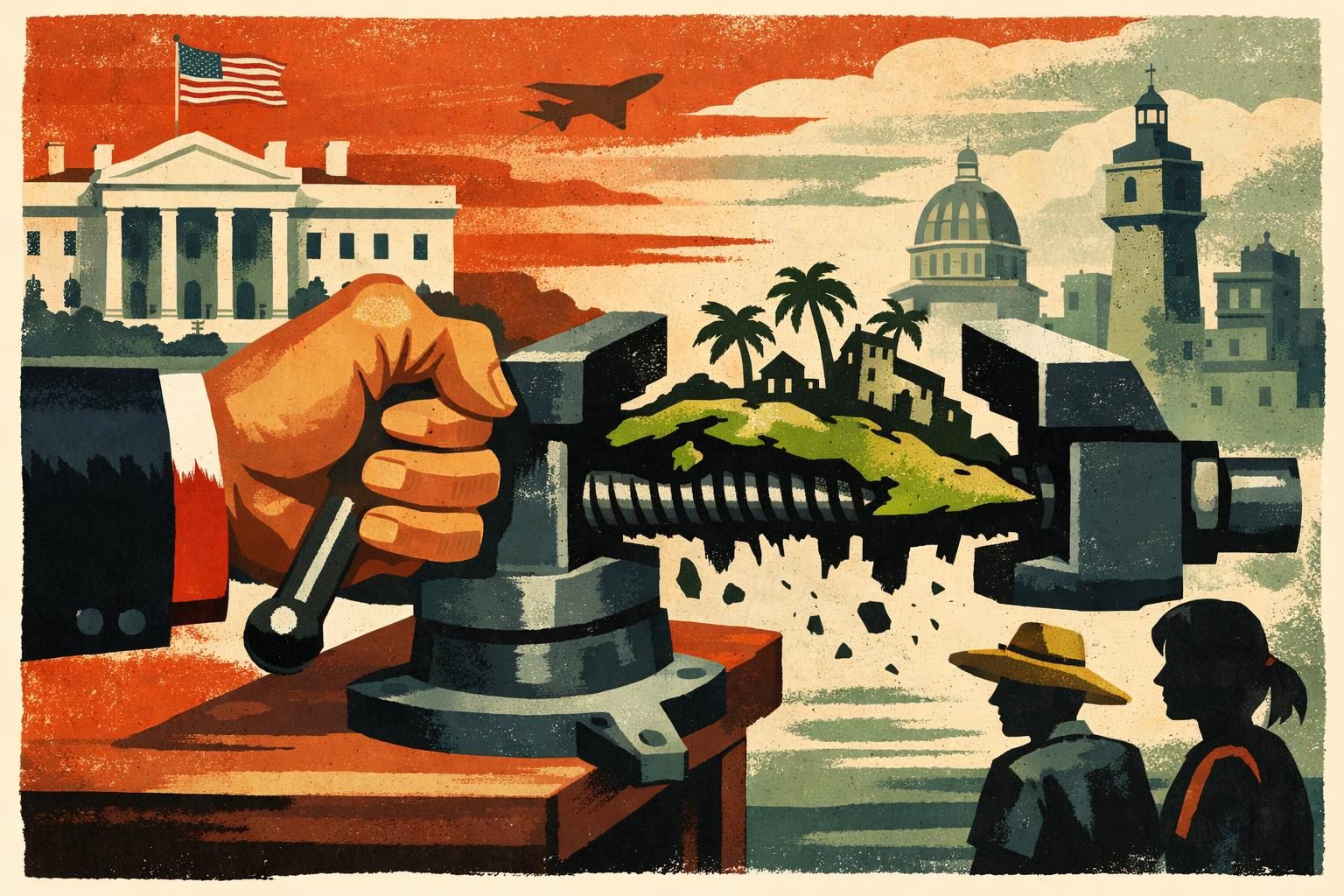
President Donald Trump signed Executive Order 14404 on May 1, 2026, putting a new Cuba sanctions package on the books under the International Emergency Economic Powers Act. The order says Cuba’s government remains an unusual and extraordinary threat to U.S. national security and foreign policy, and it authorizes blocking sanctions and travel restrictions for a broad set of targets, including people tied to Cuba’s energy, defense, metals, mining, financial services and security sectors; people owned or controlled by blocked parties; people who materially assist them; senior officials; political subdivisions; serious human-rights abusers; corrupt actors; and adult family members of sanctioned persons. ([whitehouse.gov](https://www.whitehouse.gov/presidential-actions/2026/05/imposing-sanctions-on-those-responsible-for-repression-in-cuba-and-for-threats-to-united-states-national-security-and-foreign-policy/))
Treasury followed on May 7 with General License No. 1, which makes clear that transactions otherwise authorized or exempt under the Cuban Assets Control Regulations remain allowed even after the new order. That is the kind of detail that matters because it shows the administration was not simply slamming every door shut. It was tightening the rules, while still preserving the old Cuba regulatory framework underneath them. ([ofac.treasury.gov](https://ofac.treasury.gov/media/935571/download))
The real problem is not whether Washington has added leverage. It has. The harder question is what the White House says comes next. In the public materials released on May 1 and May 7, the administration laid out the legal authority and the justification for the sanctions, but it did not set out a public benchmark for relief, a reform list Cuba could meet, or a timetable for review. That leaves the policy heavy on punishment and light on a visible off-ramp. ([whitehouse.gov](https://www.whitehouse.gov/presidential-actions/2026/05/imposing-sanctions-on-those-responsible-for-repression-in-cuba-and-for-threats-to-united-states-national-security-and-foreign-policy/))
The order also gives Treasury authority to go after foreign financial institutions that conduct or facilitate significant transactions for blocked persons, which means the pressure can extend beyond the island itself. That does not automatically mean a wall of secondary sanctions is coming, or that every bank, shipper or insurer will flee the field. But it does mean the administration has built in a mechanism that can make counterparties abroad more cautious about touching Cuba-linked money. ([public-inspection.federalregister.gov](https://public-inspection.federalregister.gov/2026-09173.pdf))
That is why the policy reads less like a finished strategy than a test of force. The White House is betting that higher costs will produce change in Havana. What it has not done, at least in the documents released so far, is explain what specific change would be enough, who gets to decide it, or how the pressure would be rolled back. Until that part is spelled out, the sanctions look decisive on paper and unresolved in practice. ([whitehouse.gov](https://www.whitehouse.gov/presidential-actions/2026/05/imposing-sanctions-on-those-responsible-for-repression-in-cuba-and-for-threats-to-united-states-national-security-and-foreign-policy/))
Comments
Threaded replies, voting, and reports are live. New users still go through screening on their first approved comments.
Log in to comment
No comments yet. Be the first reasonably on-topic person here.