
Trump’s tariff fallback took a court hit, then got a narrow stay on appeal
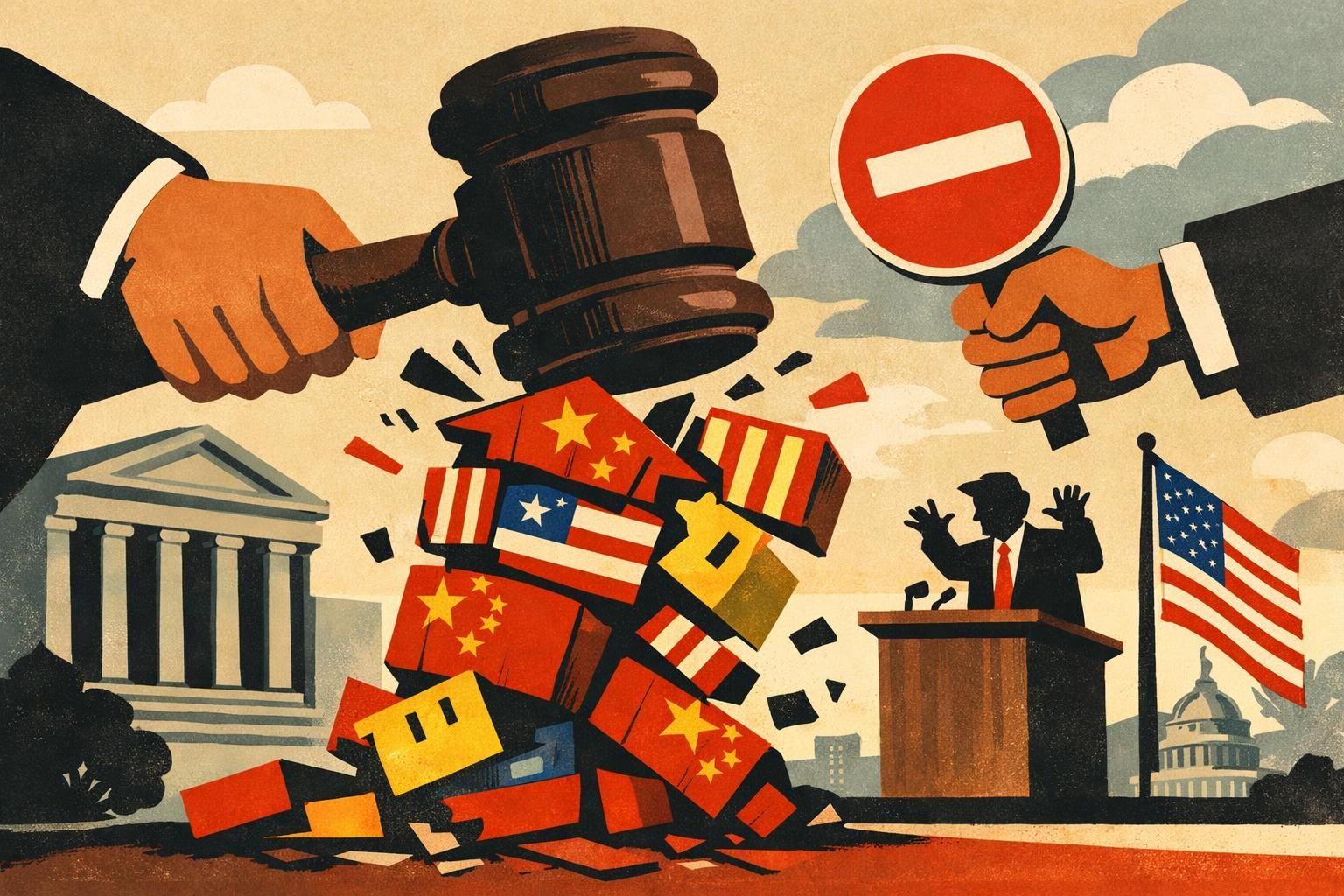
Donald Trump’s temporary import surcharge under Section 122 of the Trade Act of 1974 is still in force for now, but the legal footing got much shakier this month. The White House proclaimed a 10% ad valorem duty on most imported goods on Feb. 20, 2026, with the measure taking effect on Feb. 24 and running for a stated 150-day period unless changed earlier. The administration cast the move as a response to what it called fundamental international payments problems and a large balance-of-payments deficit.
On May 7, the U.S. Court of International Trade ruled against the government in two companion cases challenging that proclamation. In its opinion, the court granted summary judgment to the successful plaintiffs and entered a permanent injunction for The State of Washington, Burlap and Barrel, Inc., and Basic Fun, Inc. The court also dismissed the claims of a long list of state plaintiffs for lack of standing. That matters: the injunction in the order was not a blanket shutdown of every Section 122 duty everywhere, but relief tied to the plaintiffs who prevailed in that case.
The ruling was a real loss for the government, but it did not end the dispute. On May 12, the U.S. Court of Appeals for the Federal Circuit entered an administrative stay, pausing the effect of the Court of International Trade’s relief while the appeal goes forward. That stay preserved the status quo during appellate review; it did not decide whether the tariff program is lawful or unlawful on the merits.
The procedural details are the point here. This is not a simple district-court case, and it is not a broad ruling that automatically turned off every tariff tied to Section 122. The Court of International Trade decided the claims before it. The Federal Circuit then stepped in only to hold that relief in place while it considers the appeal. For the administration, that means the surcharge survives the immediate court fight, at least for now. For the challengers, it means the government’s Section 122 theory has already been rejected on the merits in one trial court, and the next round will turn on whether the appellate court agrees or decides the relief should be narrowed, extended, or lifted.
Comments
Threaded replies, voting, and reports are live. New users still go through screening on their first approved comments.
Log in to comment
No comments yet. Be the first reasonably on-topic person here.