
Trump’s Victory Day Proclamation Is Real, But the Branding Is Doing a Lot of Work
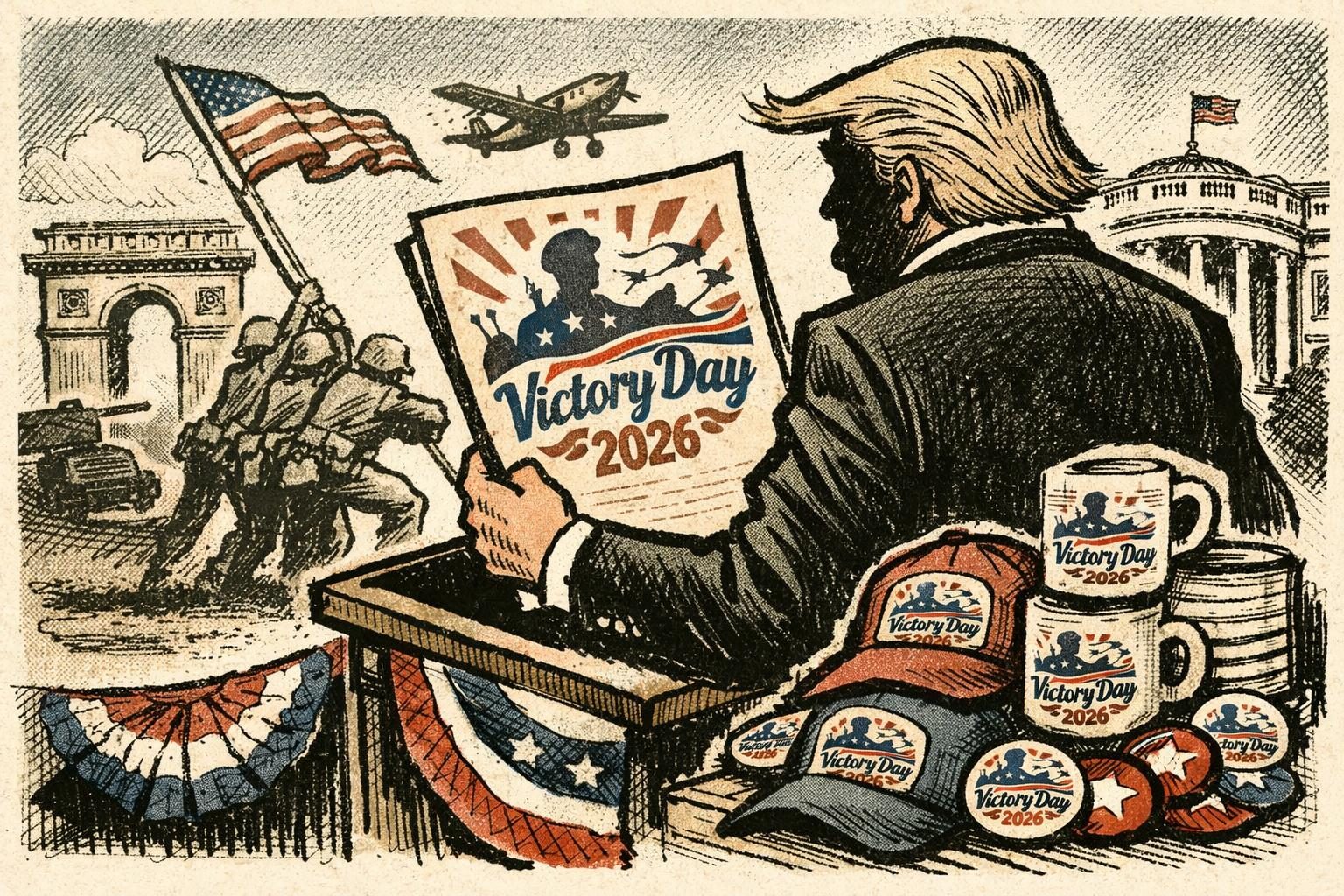
The White House has now done the thing it said it would do: on May 7, 2026, it issued a formal presidential proclamation marking May 8 as a day of celebration for Victory Day for World War II. The document is real, signed, and posted in the administration’s archive of presidential actions. In plain terms, it commemorates the anniversary of Nazi Germany’s surrender in Europe and uses the familiar language of sacrifice, remembrance, and national resolve. That part is not especially complicated. A president can issue proclamations to mark historical occasions, and this one fits neatly within that tradition.
What deserves closer attention is the gap between the language of celebration and the legal effect of the document. The proclamation does not create a federal holiday, despite the grandeur of the framing and the calendar drama around it. The list of federal public holidays is set out in 5 U.S.C. § 6103, and Victory Day for World War II is not on it. That means there is no new statutory day off for federal workers and no automatic change to the federal holiday schedule. The practical consequence is symbolic rather than administrative, which is exactly why the wording matters so much. It is a presidential commemoration, not a legislative act, and it should be read as such. The White House can declare a day of observance, but that is not the same thing as changing federal law.
Still, symbols are the whole point here, and the administration knows it. The proclamation does more than note the end of World War II in Europe; it places that memory inside a broader political narrative about American strength, American destiny, and the country’s 250th anniversary year. In other words, the document is not just about looking backward. It is also about using the past to organize the present, which is one of the most durable habits of presidential messaging. The text links wartime victory to a larger story about national greatness, and that linkage is part of the official statement itself, not merely an interpretive flourish added afterward. The result is a kind of historical branding, with the administration trying to make a solemn anniversary do additional political work. The war’s end becomes a backdrop for a contemporary message about power, endurance, and who gets to define the meaning of American history.
That approach is classic Trump in form if not always in tone. Take a serious national remembrance, wrap it in the language of victory, and position the president as the figure who explains why the occasion matters now. The move is not improper, at least not in any legal sense, and it is not unusual for presidents to use proclamations to frame anniversaries in ways that flatter their broader agenda. But it is still hard to miss how the document functions as political messaging as much as civic commemoration. It honors the dead and the Allied victory, yet it also makes sure the current president stands close enough to that legacy to claim some of its prestige. That does not erase the solemnity of the occasion. It does, however, show how thoroughly modern presidential communication can blend remembrance and self-presentation. The proclamation is real, and the history is real, but so is the branding. The administration is not simply marking the date; it is trying to author the terms under which the date will be understood, and that is where the politics live.
Comments
Threaded replies, voting, and reports are live. New users still go through screening on their first approved comments.
Log in to comment
No comments yet. Be the first reasonably on-topic person here.