
White House Pushes Trump as the Nation’s Law-and-Order Pitch
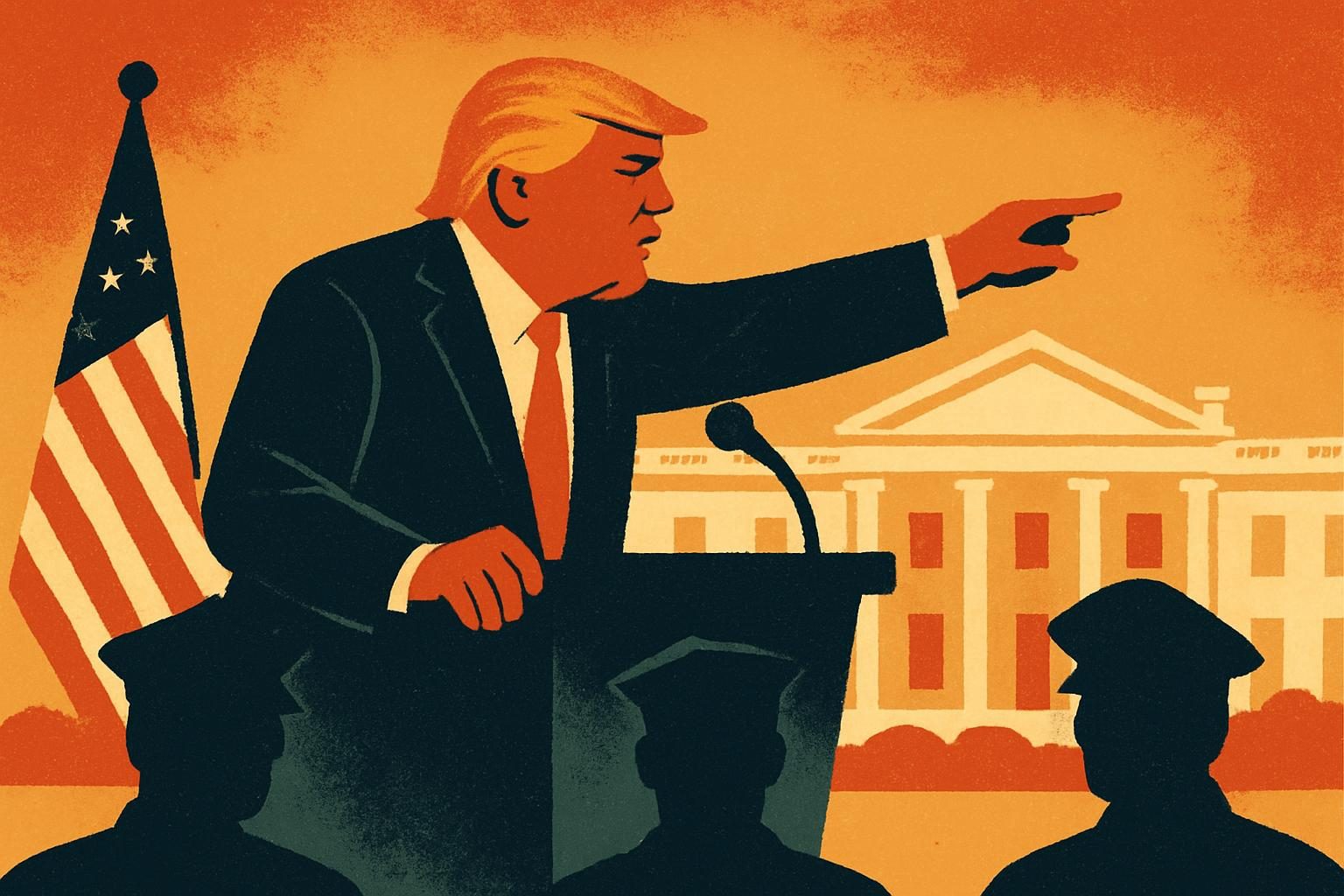
The White House on May 13 tried to turn a familiar political theme into something that looked like proof. Its latest release cast Donald Trump as the president who backs police, restores order, and is making the country safer again. The piece was heavy on confidence and light on novelty. It did not announce a new enforcement program, a fresh directive, or a funding move. What it did do was stack up claims meant to sell a larger argument: that Trump’s approach is already paying off.
Those claims were not vague. The release pointed to supposed declines in crime, fewer officer deaths, lower overdose deaths, and improvements in public safety. But those are White House assertions, not independently verified findings inside the document itself. The difference matters. A presidential release can argue that crime is falling or that a policy is working, but it does not make the case by saying it. It still has to show its work.
This was not an isolated burst of messaging. The White House has been using nearby posts to reinforce the same frame. On February 24, 2026, it published separate pieces saying Trump had returned the nation to law and order and was securing the homeland through tougher enforcement and deportations. On May 1, 2026, the administration followed with a Law Day message that again tied Trump to loyalty, law, and authority. By May 13, the pattern was clear: repeat the same theme often enough and it starts to sound like evidence, even when the underlying document is still mostly political branding.
That is the basic problem with the May 13 release. It is not that the White House made no substantive claims. It did. It is that the claims arrived in the same language as the message itself: strength, safety, support for law enforcement, and a restored sense of order. The release blurred the line between describing a result and demanding credit for one. Without an actual policy change to examine, or a neutral data set attached to the pitch, the document functions more like an argument than a report.
So yes, the White House is still selling Trump as the law-and-order president. It is also still asking readers to accept that slogan as a summary of reality. But the May 13 release does not independently establish that a new public-safety milestone happened that day, or that the administration’s preferred narrative has been proven on its own terms. It is a case for the president’s image, not a case closed by evidence.
Comments
Threaded replies, voting, and reports are live. New users still go through screening on their first approved comments.
Log in to comment
No comments yet. Be the first reasonably on-topic person here.