
Trump’s Anti-Weaponization Deal Gives Him an Apology, Not a Check
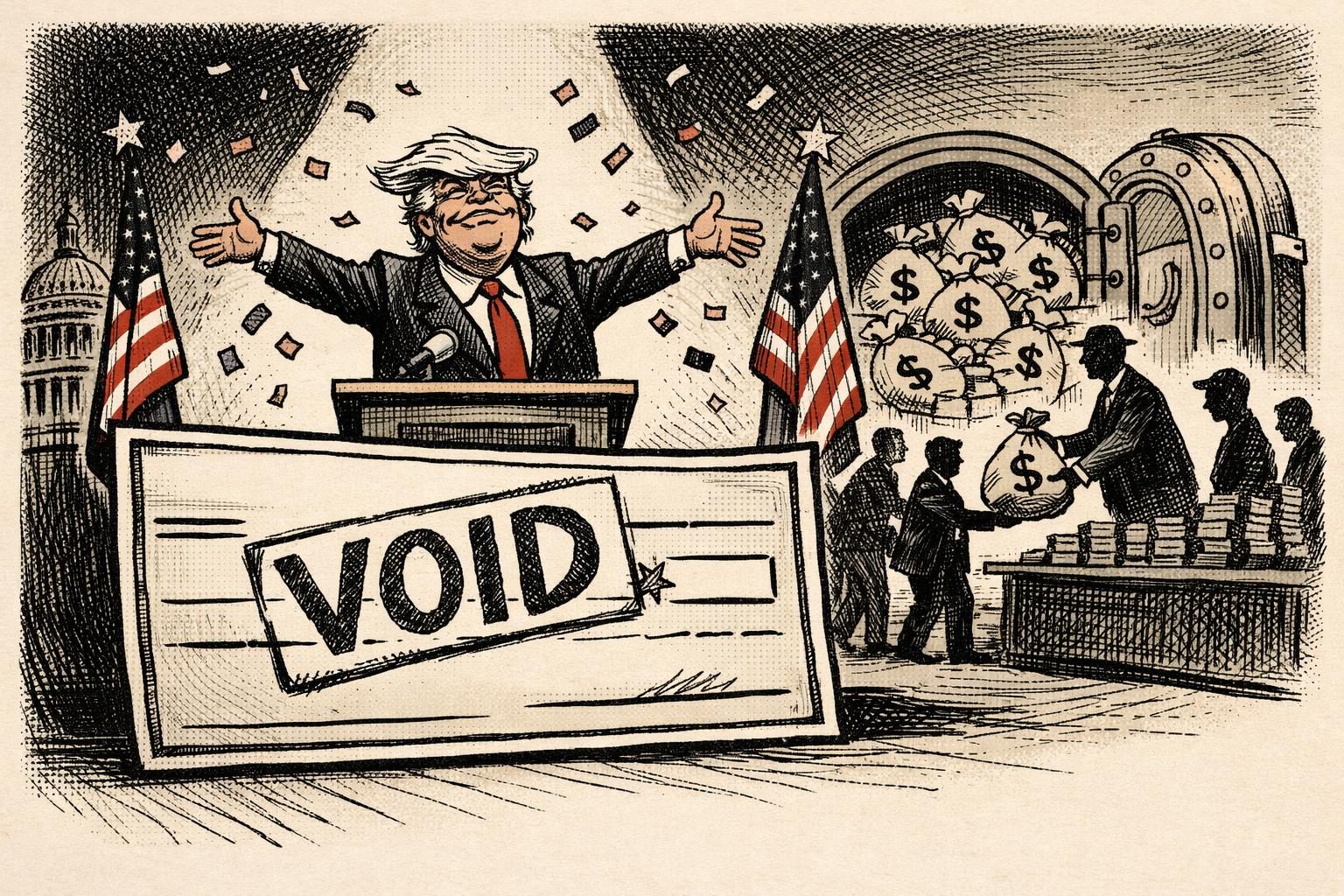
The Justice Department’s May 18 settlement in Trump v. Internal Revenue Service gives Donald Trump and the other named plaintiffs a public-facing victory, but not a payout. Under the agreement, the department says it will establish an Anti-Weaponization Fund to review and compensate approved claims from other people who say they were harmed by government misuse. The Trump plaintiffs themselves — Donald Trump, Donald Trump Jr., Eric Trump, and the Trump Organization — receive a formal apology, but the agreement says they receive no monetary payment or other economic benefit.
That distinction matters. The settlement does not hand Trump a check, and it does not resolve the case by paying the plaintiffs damages. Instead, it requires the lawsuit to be dismissed and related administrative claims to be withdrawn, including claims tied to the Mar-a-Lago search and the IRS-related dispute over tax records. In other words, the legal fight ends, but the plaintiffs walk away with acknowledgment rather than cash.
The new fund is the most novel piece of the deal. Justice says claims will be processed through a formal review structure, with approved claimants eligible for relief. The release describes the fund as a mechanism for people who believe they were targeted or mistreated by federal authorities. It is a real administrative setup, but it is not proof that anyone has already been paid, and it is not a blank check for the Trump family.
Politically, though, the agreement hands Trump something he has long valued: a government document that reads like a concession. He can point to an official apology and say the federal government acknowledged the grievance he has been pushing for years. That is not the same as a financial win, but it is the kind of symbolic validation he often turns into a campaign message.
The broader question is what the fund becomes once claims start moving through it. If it functions as a narrow claims process, it may remain a one-off settlement vehicle. If it grows into a standing route for politically charged complaints against federal agencies, it could become a much bigger precedent. For now, the most concrete fact is simple: the Trump plaintiffs get an apology and the case ends, while the money in the Anti-Weaponization Fund is reserved for other claimants and must still be awarded through a formal process.
Comments
Threaded replies, voting, and reports are live. New users still go through screening on their first approved comments.
Log in to comment
No comments yet. Be the first reasonably on-topic person here.