
Trump order tells regulators to weigh immigration status in bank risk checks
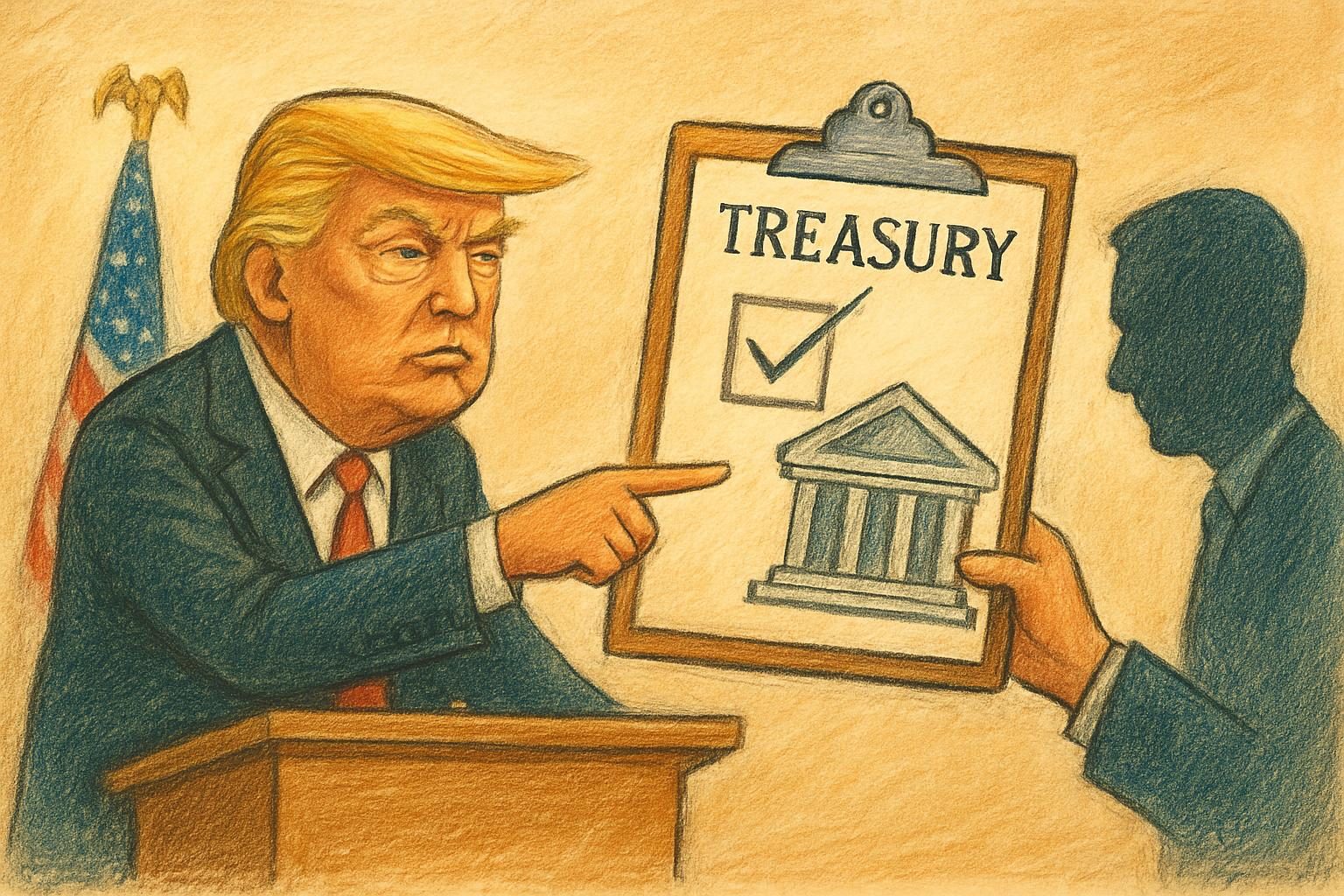
President Donald Trump on May 19 signed an executive order aimed at what the White House calls illicit activity in the financial system, but the document does not tell banks to start a universal citizenship sweep of every customer. Instead, it sends Treasury and federal banking regulators back to their rulebooks and asks them to write guidance on when immigration-related information can matter in anti-fraud, account-identification and lending decisions. ([whitehouse.gov](https://www.whitehouse.gov/presidential-actions/2026/05/restoring-integrity-to-americas-financial-system/))
The order says Treasury must issue a formal advisory within 60 days describing red flags and suspicious-activity patterns tied to non-work-authorized populations and their employers. The examples include payroll tax evasion, nominee accounts, shell companies, funnel structures, off-the-books wage payments, structuring and micro-structuring, labor trafficking, and the use of individual taxpayer identification numbers to open accounts or obtain credit without verified lawful presence. It also directs Treasury, with the federal functional regulators, to propose changes to Bank Secrecy Act rules to strengthen customer due diligence and let institutions seek additional information when warranted. ([whitehouse.gov](https://www.whitehouse.gov/presidential-actions/2026/05/restoring-integrity-to-americas-financial-system/))
The order goes further on lending. It tells the Consumer Financial Protection Bureau to consider clarifying that potential deportation and lost wages can affect a borrower’s ability to repay under federal ability-to-repay standards. It also directs federal financial regulators to issue guidance on the credit risks of extending loans and financial services to illegal aliens without work authorization. The White House says the point is to protect the banking system from structural risk; critics are likely to see a policy that could push banks toward more cautious treatment of applicants whose status could affect income stability. ([whitehouse.gov](https://www.whitehouse.gov/presidential-actions/2026/05/restoring-integrity-to-americas-financial-system/))
The distinction matters. The executive order does not itself impose a new nationwide customer-by-customer citizenship check. It tells regulators to consider changes, issue advisories and publish guidance. That leaves the exact reach of the policy to follow-on rules and supervisory practice, which is where a risk-based directive can become much broader in day-to-day bank operations. ([whitehouse.gov](https://www.whitehouse.gov/presidential-actions/2026/05/restoring-integrity-to-americas-financial-system/))
The White House is presenting the move as a fraud-fighting measure and a response to illicit cross-border finance. The order cites concerns about money moving through U.S. accounts, underreported wages, invalid or mismatched Social Security numbers and taxpayer identification numbers, and loan underwriting distorted by undocumented work arrangements. Whether the final effect is limited to back-office compliance or expands into more aggressive screening will depend on how Treasury and the regulators write the guidance the order demands. ([whitehouse.gov](https://www.whitehouse.gov/presidential-actions/2026/05/restoring-integrity-to-americas-financial-system/))
Comments
Threaded replies, voting, and reports are live. New users still go through screening on their first approved comments.
Log in to comment
No comments yet. Be the first reasonably on-topic person here.