
Justice Department files denaturalization cases, unveils anti-weaponization fund
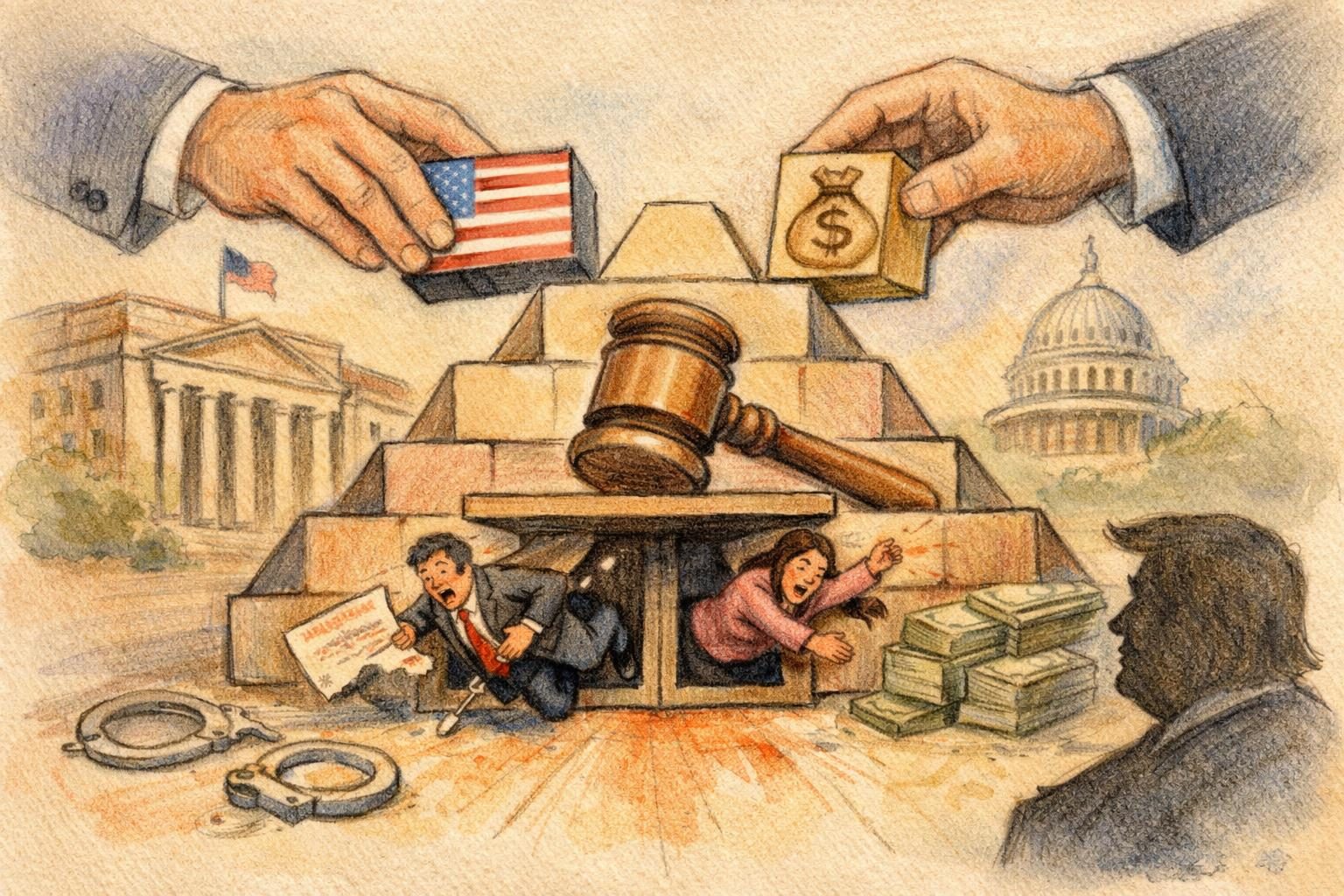
The Justice Department made two moves in the span of three weeks this spring, both wrapped in explicit political language and both grounded in formal legal process.
On May 18, 2026, the department announced an Anti-Weaponization Fund as part of a settlement agreement in Trump v. IRS. DOJ said the agreement would create a process for claims tied to alleged government “weaponization” and “lawfare,” and said the plaintiffs would dismiss the lawsuit with prejudice and withdraw related administrative claims.
Then on June 8, 2026, DOJ said it had filed civil denaturalization actions against 17 naturalized U.S. citizens accused of crimes including sexual abuse of a minor, fraud, and drug trafficking. The department said the complaints allege the people either concealed disqualifying conduct or misrepresented facts during the naturalization process. Under federal law, citizenship can be revoked if it was illegally procured or obtained through concealment of a material fact or willful misrepresentation, but only after a court process.
Taken together, the two announcements show a department willing to use the civil docket for fights that are as political as they are legal. The denaturalization cases ask judges to strip citizenship based on alleged fraud. The settlement fund creates a claims channel built around a separate dispute over IRS conduct. Neither announcement proves misconduct by itself. Both do show how aggressively the department is turning grievance, punishment, and correction into a public message.
Comments
Threaded replies, voting, and reports are live. New users still go through screening on their first approved comments.
Log in to comment
No comments yet. Be the first reasonably on-topic person here.