
Supreme Court keeps Lisa Cook in place and rebukes Trump’s Fed push
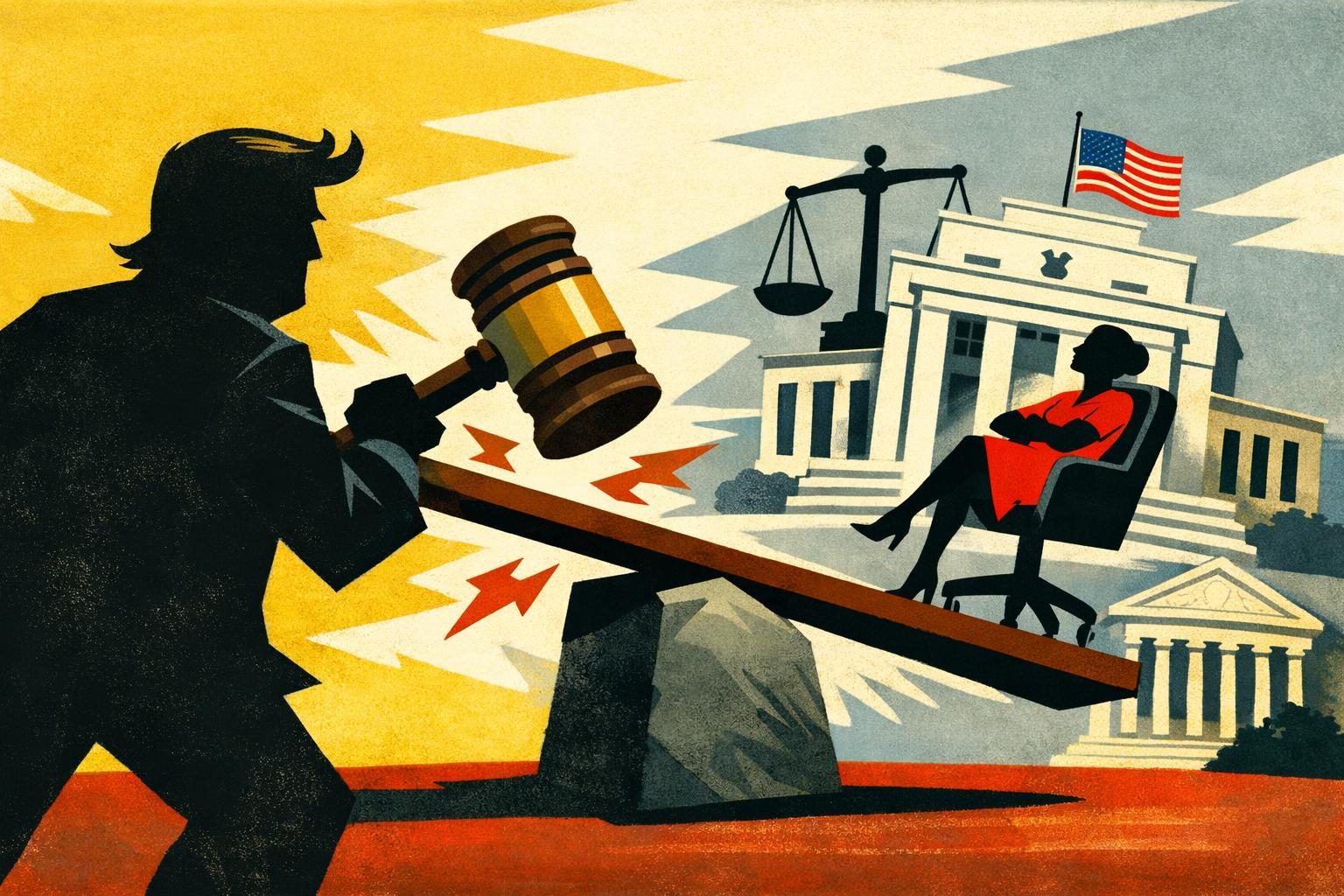
The Supreme Court handed the Trump administration an unwelcome pause on June 29, denying an emergency request that would have cleared the way to push Federal Reserve Governor Lisa Cook out of office while the legal fight over her removal continues. For now, Cook stays in place, and the lower court’s injunction remains intact. The justices did not rule on the ultimate legality of the administration’s move, but they also did not give it the fast-track relief it wanted. That matters because stay applications are usually about speed and practical effect, and the practical effect here was simple: the White House did not get immediate control. In a conflict this charged, even a temporary refusal to help is a meaningful institutional rebuke.
The case itself is unusual enough to attract attention even in a political era that has made unusual feel routine. Trump called for Cook’s resignation and then moved to remove her over mortgage-fraud allegations that she has denied. The dispute has been described in the Court’s own materials as the first time a Federal Reserve governor has been targeted for removal in the central bank’s 111-year history. That framing is not just legal trivia. It highlights how far the administration is willing to push the theory that a president can treat a disputed accusation as sufficient cause to oust an official from an institution traditionally buffered from direct political pressure. The Supreme Court did not resolve that theory on the merits at the stay stage, but by refusing emergency relief it signaled that the government had not made a strong enough showing to justify immediately overturning the lower court’s order.
That distinction is important because the Federal Reserve is supposed to operate differently from most of the executive branch. Its independence is not absolute, and presidents do have some authority to influence the direction of economic policy through appointments and public pressure. But the system is designed so a White House cannot simply purge a governor because the administration dislikes the policy outlook or wants a more obedient vote on the board. The Court’s refusal to accelerate Cook’s removal leaves that structure in place for now, even if only temporarily. It also keeps alive a broader legal and political question about how far presidential removal power can reach when the target is a central bank official rather than an ordinary agency employee. The administration may still argue that it can prevail later, but it could not persuade the justices that it deserved an instant win on the way there.
The setback is also politically significant because it undercuts a familiar Trump tactic: push hard, create urgency, and rely on the courts to either stay out of the way or sort it out later. In this case, the courts did not step aside. Instead, the lower-court injunction remains in effect, Cook remains on the job, and the White House is left with a live case rather than a completed removal. That is not the final word, and it does not guarantee the administration will lose when the merits are fully litigated. But it does slow the effort and deprive Trump of the symbolic victory that would have come with forcing a Fed governor off the board. It also weakens the broader message that a determined president can overcome institutional resistance by acting first and litigating afterward. For the moment, the Fed has retained a measure of insulation, and the Supreme Court has made clear that the administration’s argument was not strong enough to receive emergency endorsement.
What happens next will determine whether this remains a temporary roadblock or becomes a more lasting limit on the White House’s approach to independent institutions. The merits are still to be decided, and the final outcome could turn on legal questions the Court has not yet addressed in this posture. Even so, the symbolism is already substantial. Cook is still in office, the Fed remains shielded from immediate intervention, and the administration has been forced to accept a delay it clearly did not want. For a president who has made breaking norms part of the governing style, the refusal to bless this removal on an emergency basis is a notable institutional check. It does not settle the constitutional fight over how much control the president can exert over the central bank, but it does confirm that the path to that control is neither automatic nor simple. And for the White House, that is a setback with implications well beyond one governor and one case.
Comments
Threaded replies, voting, and reports are live. New users still go through screening on their first approved comments.
Log in to comment
No comments yet. Be the first reasonably on-topic person here.