
Trump’s power push keeps running into judicial limits
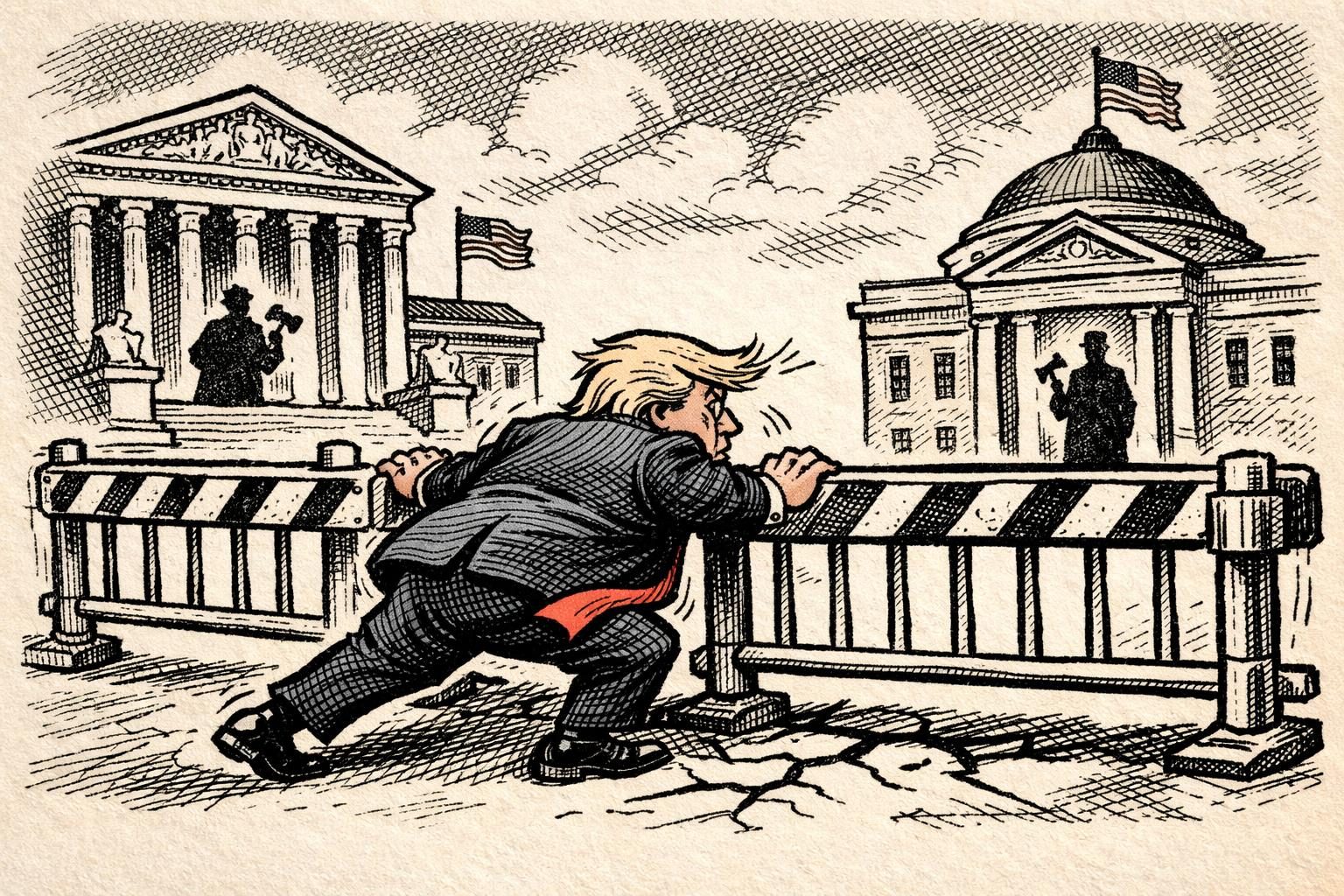
Donald Trump’s latest bid to stretch presidential power has not produced the clean legal sweep his allies wanted. Two recent rulings cut the other way: on June 25, a federal judge in Boston blocked key parts of Trump’s election executive order, and on June 29, the Supreme Court let Federal Reserve Governor Lisa Cook remain in office while her challenge to Trump’s attempted removal moves forward.
The Boston decision went to the core of the order. The judge barred provisions that sought to create a federal voter list and to have the Postal Service use that list as part of a system for screening or restricting mail-ballot delivery. In plain terms, the court said Trump could not use executive action to build a federal election gatekeeper where the Constitution leaves election rules to Congress and the states.
The Cook order was narrower, but no less important. The Supreme Court did not issue a grand statement about presidential power. It did something more specific: it kept Cook in place for now and allowed the litigation to continue. The justices’ order turned on the removal fight and the procedural protections tied to it, not on a sweeping new theory that every independent agency sits at the president’s mercy.
Still, the two rulings land in the same political and legal bucket. Trump has been pressing a theory of executive authority that depends on moving around institutions with some independence, then treating the pushback as temporary friction. The courts have not accepted that premise at face value. They have not settled every constitutional fight, but they have stopped Trump from converting his preferred theory into instant governing law.
That matters because these cases are not isolated. The Fed dispute is about whether a president can turn an accusation into cause and weaken the insulation Congress built around the central bank. The election case is about whether a president can use executive orders and agency machinery to reshape voting rules that belong elsewhere. In both fights, judges have drawn a line before the administration could claim a full victory.
The practical effect is straightforward: Trump can keep appealing, but he does not yet have the legal cover to act as if his theory of command has already won. The rulings leave his broader power project intact as a political goal, but legally unfinished. For now, the guardrails are still working well enough to slow him down.
Comments
Threaded replies, voting, and reports are live. New users still go through screening on their first approved comments.
Log in to comment
No comments yet. Be the first reasonably on-topic person here.