
Supreme Court rejects Trump birthright-citizenship order
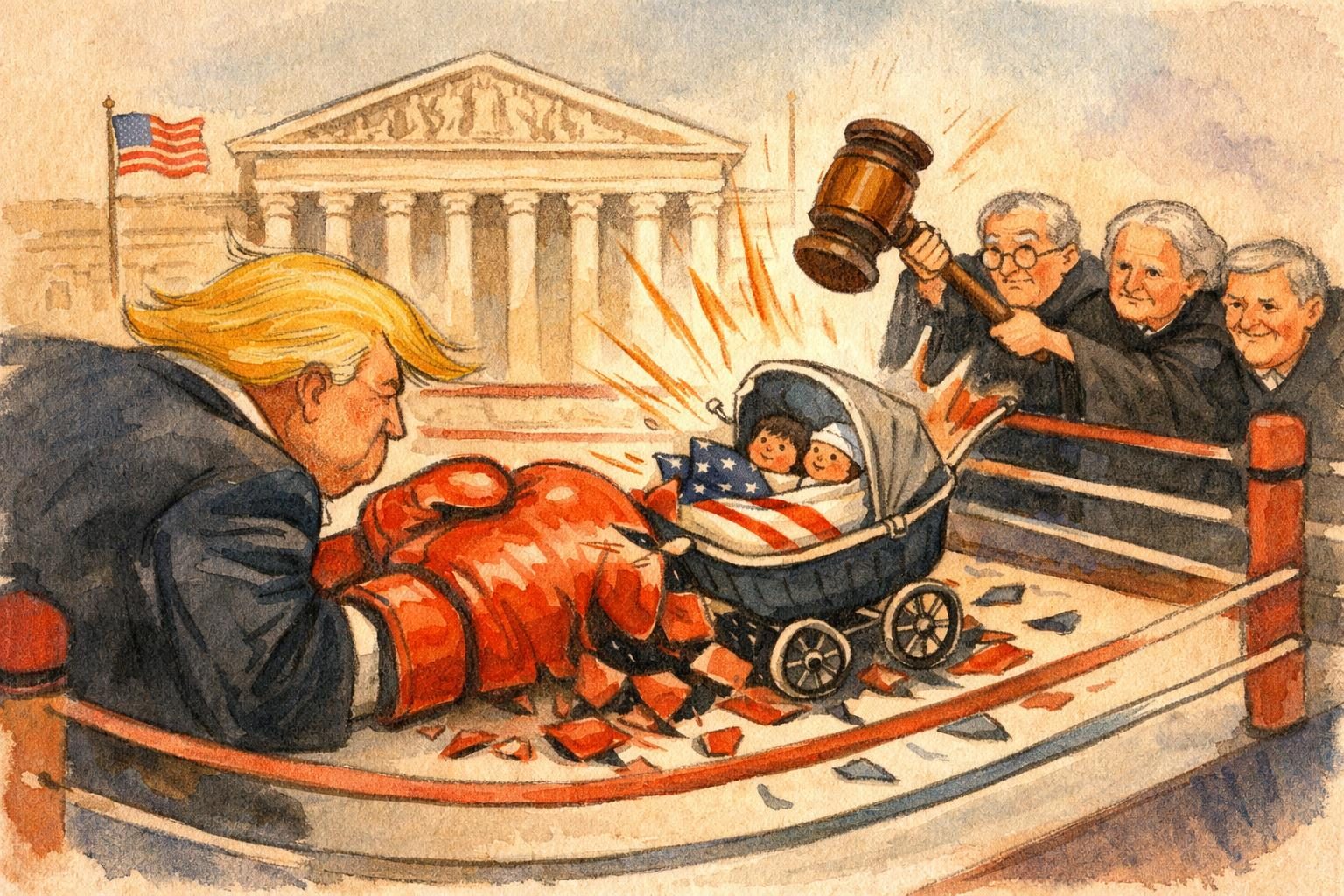
The Supreme Court on June 30, 2026, said President Trump’s birthright-citizenship order cannot be used to deny citizenship to children born in the United States to parents who are unlawfully or temporarily present. The case is Trump, President of the United States, et al. v. Barbara et al., and the justices decided it on certiorari before judgment. ([supremecourt.gov](https://www.supremecourt.gov/opinions/25pdf/25-365_4hdj.pdf?utm_source=openai))
At the center of the dispute was Executive Order No. 14160, issued by President Trump on January 20, 2025. The order tried to treat those children as outside the Fourteenth Amendment’s Citizenship Clause. The Court rejected that reading and held that children born in the United States to parents who are unlawfully or temporarily present are “subject to the jurisdiction” of the United States and are citizens at birth. ([supremecourt.gov](https://www.supremecourt.gov/opinions/25pdf/25-365_4hdj.pdf?utm_source=openai))
The ruling means the federal government cannot enforce the order against that covered group while the decision stands. The Court’s opinion rests on the text of the Fourteenth Amendment and its historical understanding, and it leaves no room for the executive branch to carve out a new category of U.S.-born children from citizenship by order alone. ([supremecourt.gov](https://www.supremecourt.gov/opinions/25pdf/25-365_4hdj.pdf?utm_source=openai))
The decision is a major setback for Trump’s attempt to narrow birthright citizenship without Congress. Any durable change would have to come through a new statute, a constitutional amendment, or a later reversal in Supreme Court doctrine. For now, the constitutional rule remains the one the Court announced: birth in the United States still confers citizenship for the children covered by the case. ([supremecourt.gov](https://www.supremecourt.gov/opinions/25pdf/25-365_4hdj.pdf?utm_source=openai))
Comments
Threaded replies, voting, and reports are live. New users still go through screening on their first approved comments.
Log in to comment
No comments yet. Be the first reasonably on-topic person here.