
Trump seeks more time from Supreme Court in CNN defamation fight
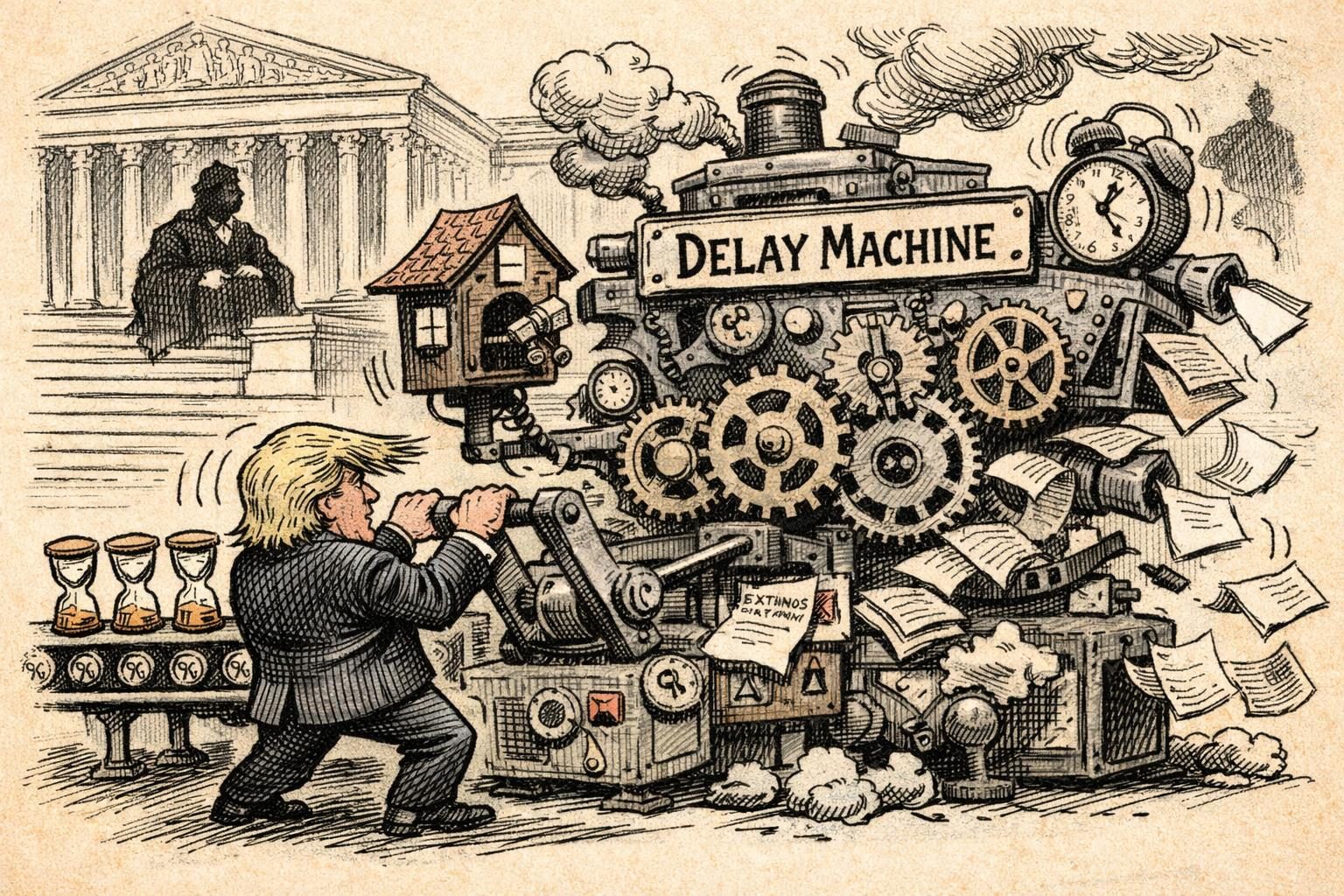
Donald Trump is back at the Supreme Court asking for more time, not more vindication. On July 1, his lawyers filed a further extension request in the long-running defamation fight tied to CNN, seeking an additional 30 days to prepare a petition for certiorari. If the justices approve the request, the deadline would slide from July 15 to August 14, giving Trump’s legal team yet another month before it has to decide whether to ask the court to take up the case. The filing is docketed as No. 25A1357, and it follows an earlier extension that Justice Clarence Thomas already granted in June. In practical terms, the new request does not change the legal posture of the case at all; it only changes the calendar.
That distinction matters because the underlying fight has already gone badly for Trump, and this latest move does not undo any of it. A request for more time is not a ruling on the merits, and it is not a signal that the Supreme Court is inclined to rescue a losing party. It simply means the lawyers say they need more runway to assemble their petition, which is a common enough move in high-stakes appellate litigation. In this case, though, the optics are especially familiar: another delay, another procedural ask, another effort to keep a case alive a little longer after a lower-court setback. The extension request may be routine on paper, but in political and legal terms it fits a broader pattern of Trump’s post-defeat strategy, which often relies on stretching deadlines, seeking alternate routes, and buying time whenever possible.
The Supreme Court filing makes clear that Trump’s team is still in the preliminary stage of trying to get the justices to review the dispute. A certiorari petition is the formal request for the Court to hear a case, and it is a demanding document even before the justices decide whether to grant review. Lawyers typically use the extra time to sharpen legal arguments, gather supporting materials, and decide how to frame the questions presented. The fact that Trump’s lawyers are asking for another 30 days suggests they either want more breathing room or need more time to refine a petition that may have limited chances of success. Nothing in the application suggests the Court has signaled interest in the merits, and nothing in the filing suggests the lower-court result has been disturbed. In other words, the case remains exactly where it was before the extension request: a loss still standing, with the clock simply reset a bit farther out.
The CNN defamation dispute has already become less about immediate legal consequences than about the mechanics of prolonged appellate combat. Trump’s side appears to be using every available procedural tool to preserve options while avoiding an abrupt end to the fight. That is not unusual in major litigation, but it is especially noticeable when the requested relief is modest and temporary. A 30-day extension is not a breakthrough, not a courtroom comeback, and not evidence that the Supreme Court is leaning toward reversal. It is, at most, a brief pause before the next filing deadline. For Trump, whose legal strategy in multiple cases has often centered on delay and exhaustion of process, the move is consistent with a larger pattern: keep pressing, keep extending, and keep the matter unresolved as long as the rules allow. Whether the justices grant the request or not, the underlying reality remains the same: this is about time, not victory.
Comments
Threaded replies, voting, and reports are live. New users still go through screening on their first approved comments.
Log in to comment
No comments yet. Be the first reasonably on-topic person here.