
Fifth Circuit Lets Delfin LNG License Stand, but Only by Dodging the Merits
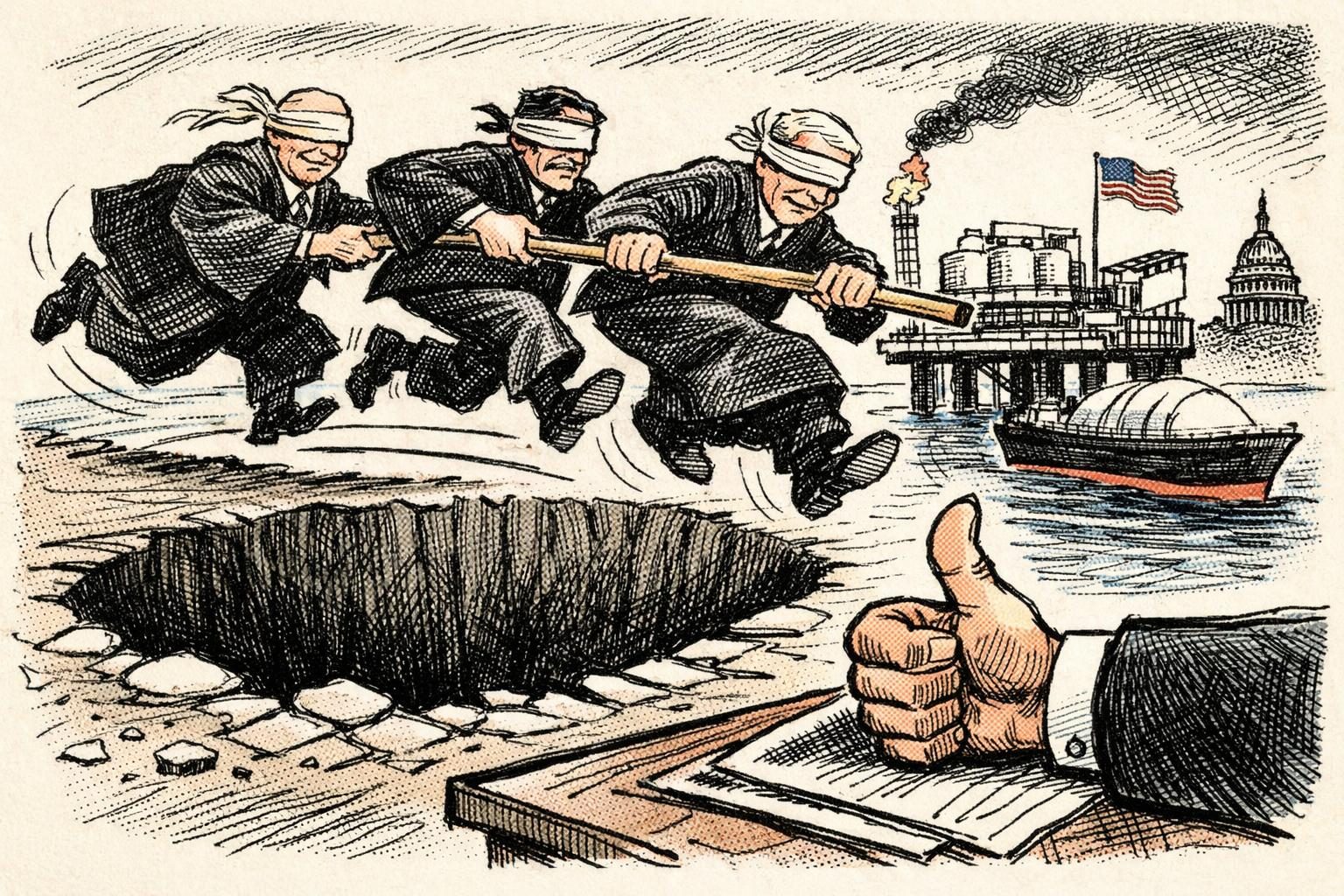
The Fifth Circuit has kept the Trump administration’s March 2025 license for Delfin LNG in place, but it did so by sidestepping the question everyone actually cared about: whether the underlying approval was lawful. On July 7, with the official explanation and docketed materials landing in the July 8 window, the court rejected an environmental challenge on Article III standing grounds. That means the judges concluded the petitioners, three environmental groups, had not shown the concrete injury needed to press the case in federal court. The result is a practical win for the administration and for the deepwater-port project itself, because the license survives this round of litigation. It is also a reminder that courts can preserve a politically important project without ever blessing the policy or legal reasoning behind it.
That procedural outcome matters because the government had every incentive to frame the license as a legitimate exercise of executive authority. In January 2025, President Trump’s Unleashing American Energy executive order directed the Maritime Administration to revisit whether additional environmental review was necessary and then move forward with the license, and the administration has leaned on that chain of authority ever since. The March 2025 approval became one of the clearest examples of the White House using executive action to restart fossil-fuel infrastructure that had previously faced delay or blockage through federal review. By refusing to reach the merits, the Fifth Circuit left that broader policy fight unresolved. The panel did not say the administration’s process was correct, only that these challengers could not get through the courthouse door to contest it. In that sense, the order protects the project from this attack without providing the clean judicial seal of approval the White House would almost certainly prefer.
That distinction is not just academic. Standing decisions are the kind of victory that can be quoted in a press release and waved around in a talking point memo, but they are not the same thing as a merits ruling that the government got the law right. Environmental groups can lose their case for reasons that have nothing to do with whether the agency’s analysis was persuasive, complete, or even legally sufficient. That appears to be the posture here. The challengers remain free to argue that the federal government cut corners or failed to satisfy its environmental obligations; they simply did not persuade the court that they themselves had the required legal stake to force a ruling on those claims in this case. For the administration, that is a useful near-term result, since the license remains in force and one immediate appellate threat has been removed. For everyone else, the controversy is still very much alive, because the court left the substantive issues untouched.
The Trump angle is hard to miss, and it is also where the political spin becomes more aggressive than the legal record can support. The administration likes to treat procedural wins as if they prove the underlying project was justified from the outset, but courts do not always cooperate with that narrative. A standing ruling is a narrow gatekeeping decision, not a judicial endorsement of the government’s judgment about energy policy or environmental review. That matters because the White House has spent much of its energy policy messaging trying to present revived fossil-fuel projects as evidence that regulatory delay was the real problem all along. This order lets Trump-world claim momentum, but it does not erase the unresolved questions surrounding the approval process. The project can keep moving for now, but its legal and political exposure has not disappeared. If anything, the panel’s decision makes the point more sharply: the administration can celebrate that this challenge failed, but it cannot honestly claim the court signed off on the merits. The deeper screwup for the White House is that a procedural victory can be sold as vindication only if nobody notices how little the judges actually decided.
Comments
Threaded replies, voting, and reports are live. New users still go through screening on their first approved comments.
Log in to comment
No comments yet. Be the first reasonably on-topic person here.