
Trump opens aircraft tariff talks after metals and pharma moves
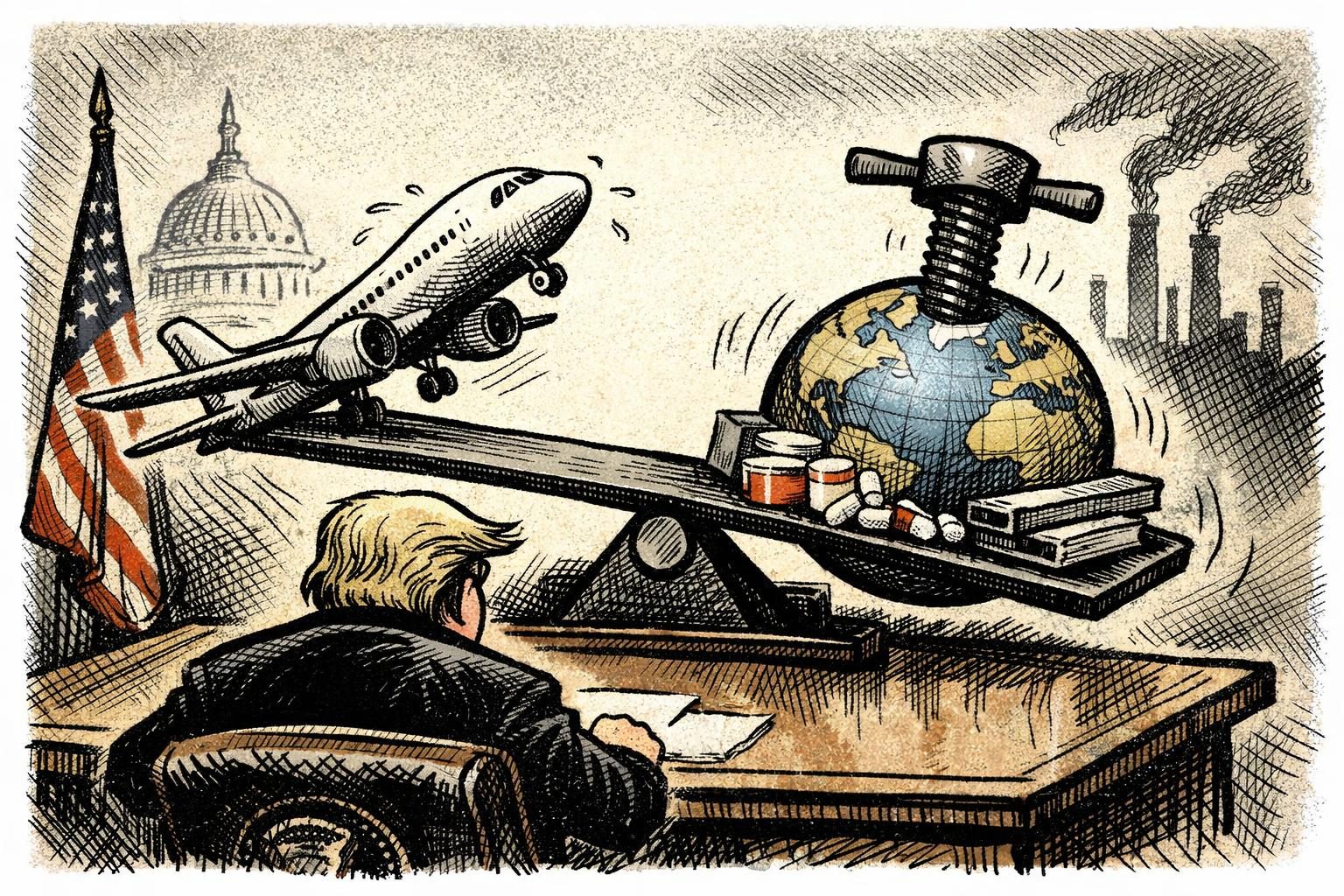
The White House’s July 9 aircraft action does not impose immediate tariffs. It orders the Commerce Department and the U.S. Trade Representative to negotiate with trading partners over commercial aircraft, jet engines, and aircraft and engine parts under Section 232, and it leaves open the possibility of further action if those talks do not resolve the national-security finding. ([whitehouse.gov](https://www.whitehouse.gov/fact-sheets/2026/07/fact-sheet-president-donald-j-trump-adjusts-imports-of-commercial-aircraft-jet-engines-and-aircraft-and-engine-parts-into-the-united-states/))
That distinction matters. The proclamation says the secretary of commerce found imports of those products may threaten to impair national security, but it also says the secretary recommended further discussions and negotiations and recommended against immediate tariffs under Section 232. The president then said negotiations with trading partners are necessary and appropriate to adjust imports so they no longer pose that threat. ([whitehouse.gov](https://www.whitehouse.gov/presidential-actions/2026/07/adjusting-imports-of-commercial-aircraft-jet-engines-and-aircraft-and-engine-parts-into-the-united-states/))
The administration is still widening the list of industries covered by its trade actions. On June 1, 2026, it issued a proclamation on aluminum, steel, and copper. On April 2, 2026, it issued a proclamation on pharmaceuticals and pharmaceutical ingredients. On February 20, 2026, it imposed a temporary import surcharge tied to international payments problems. Taken together, those actions show a White House using trade restrictions and negotiation threats across multiple sectors, even if the aircraft move itself is not yet a tariff hike. ([whitehouse.gov](https://www.whitehouse.gov/presidential-actions/2026/06/further-adjusting-the-tariff-regimes-for-imports-of-aluminum-steel-and-copper-into-the-united-states/))
For importers and manufacturers, the point is uncertainty. The aircraft order creates a new negotiating track and gives the administration room to escalate later, but it does not yet add a fresh duty line to the books. The White House says it is protecting a sector it views as important to national security and domestic industrial capacity; the practical effect is to keep another major supply chain in the trade-policy crosshairs while officials decide whether talks produce enough to stop there. ([whitehouse.gov](https://www.whitehouse.gov/fact-sheets/2026/07/fact-sheet-president-donald-j-trump-adjusts-imports-of-commercial-aircraft-jet-engines-and-aircraft-and-engine-parts-into-the-united-states/))
Comments
Threaded replies, voting, and reports are live. New users still go through screening on their first approved comments.
Log in to comment
No comments yet. Be the first reasonably on-topic person here.