
Trump orders aircraft import talks, stops short of new tariffs
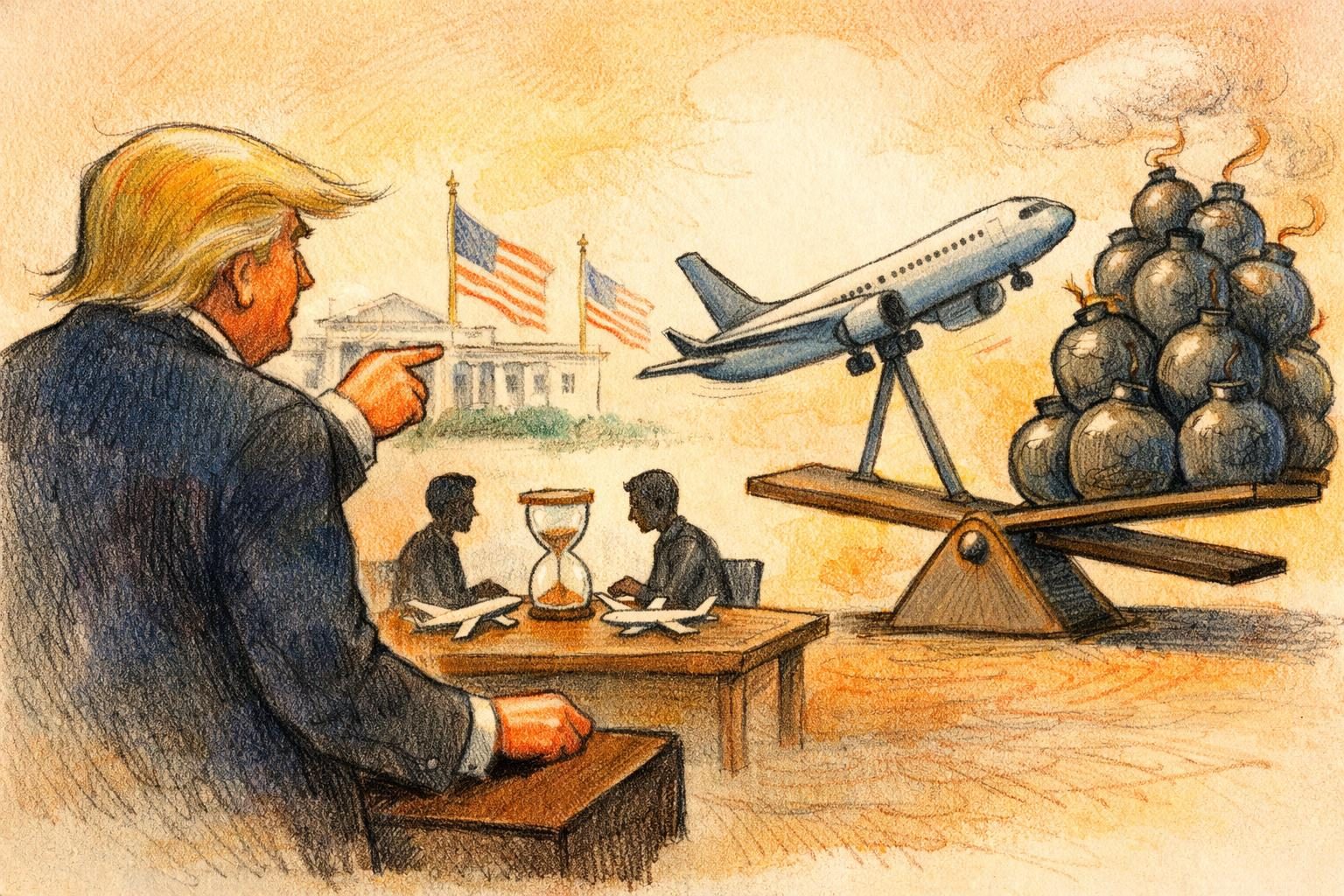
The White House on July 9 took its aircraft import fight to a new stage, but not the one the industry had been expecting. Instead of rolling out an immediate tariff schedule on commercial aircraft, jet engines and aircraft parts, the president issued a Section 232 proclamation directing the Commerce Department and the U.S. Trade Representative to pursue agreements with trading partners.
That matters because the official action is not a tariff order in the usual sense. It is a negotiation directive backed by the threat of later restrictions if talks do not produce a result. The proclamation says the administration will seek agreements and requires an update within 180 days. If no agreement is reached, if one is not carried out, or if it proves ineffective, the president can move to other remedies.
The White House says the industry is tied to national security, defense logistics and U.S. manufacturing capacity. The practical effect, for now, is that importers are left with uncertainty rather than an immediate tax hike. Airlines, suppliers and aircraft makers still have to plan around the possibility that tariffs could come later if the talks fail.
Section 232 gives the president broad authority to curb imports on national security grounds, and the administration has used that authority before in other sectors. In this case, though, the first step is diplomacy, not a new duty line. The message in the filing is plain enough: the government wants deals first and is reserving the right to escalate later if it does not get them.
Comments
Threaded replies, voting, and reports are live. New users still go through screening on their first approved comments.
Log in to comment
No comments yet. Be the first reasonably on-topic person here.