Story · July 11, 2026

Trump’s aircraft import action starts with negotiations, not immediate tariffs

Trade pressure, but not immediate tariffs Confidence 5/5
★★★☆☆Fuckup rating 3/5
Major mess Ranked from 1 to 5 stars based on the scale of the screwup and fallout.
Correction: Correction: This White House action, dated July 9, 2026, launches negotiations under Section 232 and does not impose immediate tariffs; the administration may consider further action later if agreements are not reached within 180 days.
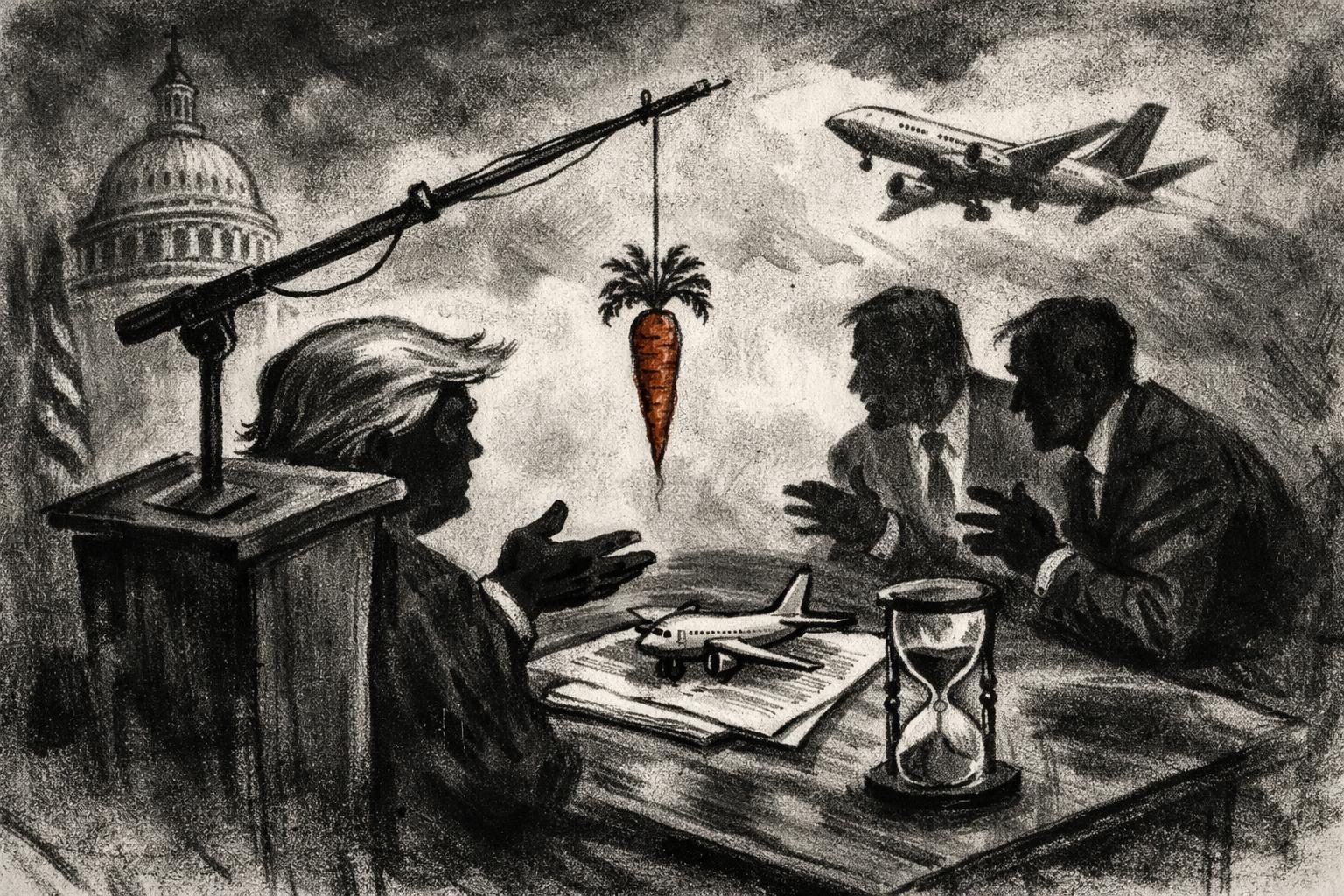
Trump’s aircraft import action starts with negotiations, not immediate tariffs reader image
Reader image selected by automatic review and community voting.

The White House has not slapped immediate tariffs on commercial aircraft, jet engines, or aircraft and engine parts. Its July 9 action instead starts a Section 232 process that directs the Commerce Department and the U.S. Trade Representative to pursue negotiations with trading partners first. Any further step comes later, if talks fail or do not produce an effective result. That makes this a pressure campaign, not a tariff hit, at least at the opening stage.

The timeline matters because the proclamation gives the administration a long runway before it decides whether to move beyond negotiations. Under the White House plan, Commerce will gather information and the secretary will tell the president if circumstances suggest the need for additional action under Section 232. The setup leaves the industry in a waiting pattern, but it does not impose duties now. The official text is explicit on that point: the government is opening a negotiation track, not announcing an immediate tariff regime.

Even so, the move is not trivial. Aerospace supply chains are slow, complex, and deeply international. Aircraft makers and engine suppliers work on long production cycles, and parts often cross borders multiple times before final assembly. A federal action that threatens possible later restrictions can affect contracting, sourcing, and investment decisions long before any actual tariff arrives. The White House says the goal is to address national security concerns tied to foreign dependence and domestic industrial capacity, which is the standard Section 232 rationale: imports are cast as a strategic problem, not just a commercial one.

That is the real political value of the action. It gives the administration leverage without forcing it to choose immediate pain. If negotiations produce concessions, the White House can claim it got results without new duties. If they do not, it can move to additional Section 232 action and say the warning was already on the record. For now, though, the factual bottom line is simple: the July 9 order begins with talks, and any tariff decision is still future business.

Support the work

Help keep this site going

If this story was useful, help support The Daily Fuckup. Reader donations help pay for hosting, archives, publishing, email, and AI costs.

Donate

Reader action

What can you do about this?

Call or write your members of Congress and tell them the exact outcome you want. Ask for a written response and refer to the bill, hearing, committee fight, or vote tied to this story.

Timing: Before the next committee hearing or floor vote.

This card only appears on stories where there is a concrete, lawful, worthwhile step a reader can actually take.

Reader images

Upload a relevant meme, screenshot, or photo. Automatic review rejects spam, ads, and unrelated junk. The top-rated approved image becomes the story's main image.

Log in to upload and vote on story images.

Trump’s aircraft import action starts with negotiations, not immediate tariffs reader image 1
Score: 95 AI / 0 community
By: mike
Current main image

Comments

Threaded replies, voting, and reports are live. New users still go through screening on their first approved comments.

Log in to comment


No comments yet. Be the first reasonably on-topic person here.