
Trump’s Aircraft Trade Action Delays a Remedy Decision, Not a Tariff
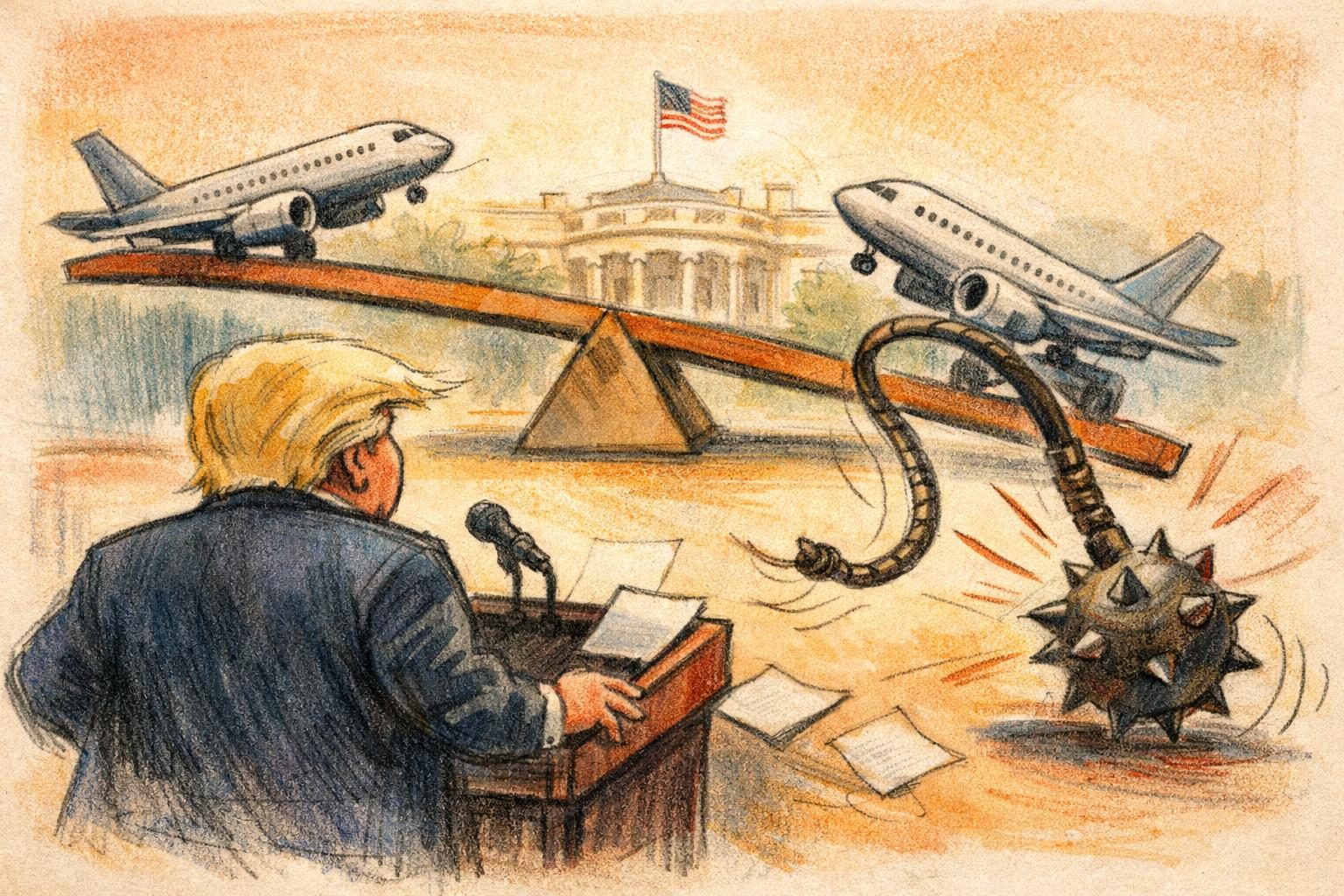
The White House on July 9 moved the aircraft trade fight into a new phase without imposing a new tariff. The proclamation covers commercial aircraft, jet engines, and aircraft and engine parts, and it accepts the Commerce Department’s national-security finding on those imports. But instead of announcing a duty rate, it directs negotiations and sets a 180-day update clock before the administration decides whether to take further action.
That distinction matters. The order does not lock in a tariff and it does not promise one automatically at the end of the review period. It leaves the president room to consider other remedies after the talks play out. For airlines, manufacturers, and suppliers, that still creates uncertainty: pricing, sourcing, and investment plans can all shift when a major trade action is hanging over a supply chain, even if the government has not yet chosen a penalty.
The administration is framing the move as a national-security step tied to industrial resilience. Aviation is one of the clearest examples of a sector where trade, logistics, and security overlap. Passenger travel, cargo transport, maintenance networks, emergency operations, and military support all depend on the same broad industrial base. That gives the White House a rationale for keeping pressure on foreign suppliers while it negotiates with industry and trading partners.
What the proclamation does not do is close the case. It opens a negotiating window, demands a status update within 180 days, and leaves the remedy question for later. If the administration likes the outcome of those talks, it may never move to restrict imports. If it does not, the White House has preserved the option to act again under the same national-security finding. For now, the policy is leverage first, penalty later — if a penalty comes at all.
Comments
Threaded replies, voting, and reports are live. New users still go through screening on their first approved comments.
Log in to comment
No comments yet. Be the first reasonably on-topic person here.