
Trump targets aircraft and engine imports in new Section 232 move
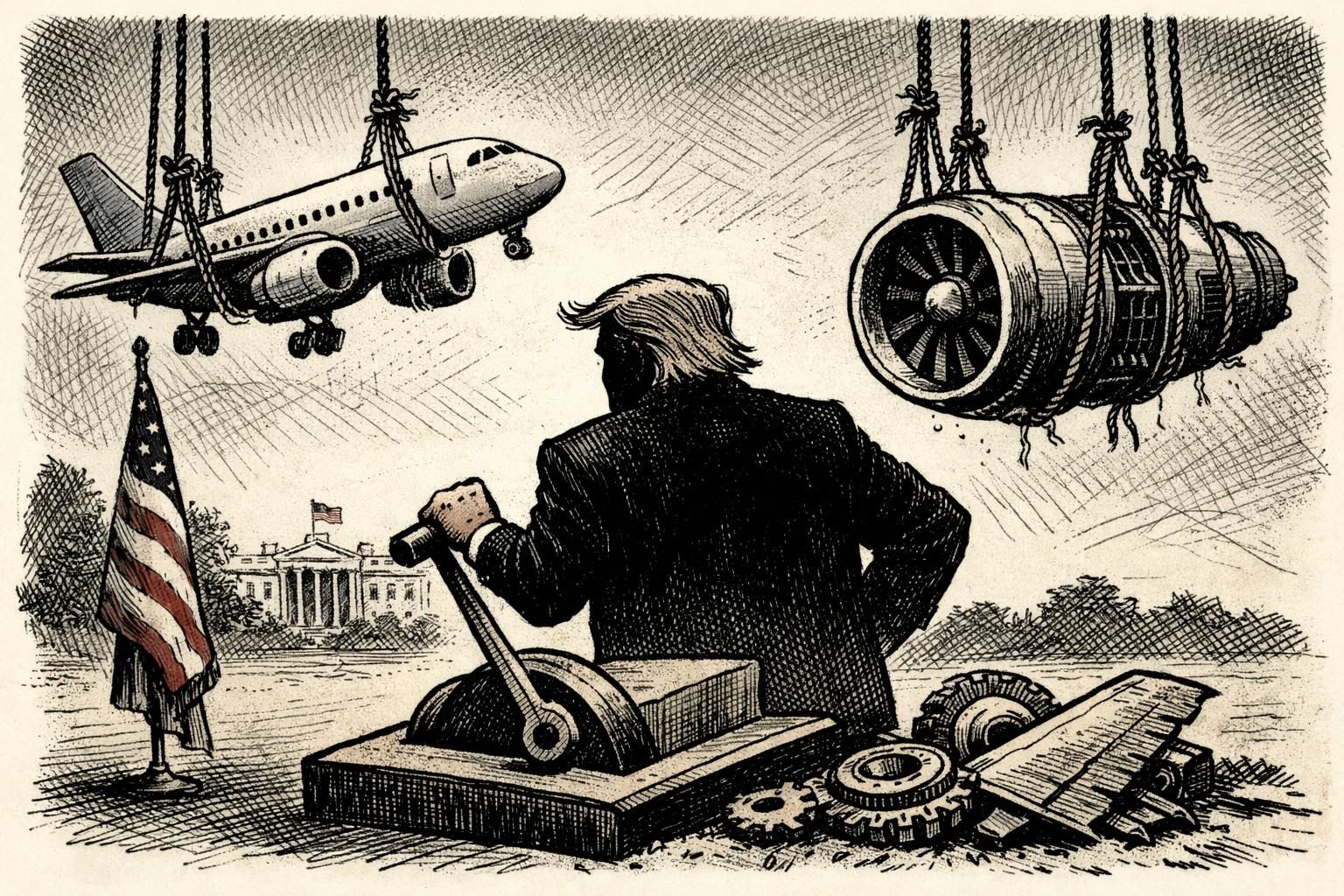
President Donald Trump signed a Section 232 proclamation on July 9 that puts commercial aircraft, jet engines, and related parts back in the center of a trade fight, but it does not immediately slap new tariffs on the industry. The White House says the order directs the Commerce secretary and the U.S. trade representative to negotiate with trading partners over imports the administration says threaten national security. ([whitehouse.gov](https://www.whitehouse.gov/fact-sheets/2026/07/fact-sheet-president-donald-j-trump-adjusts-imports-of-commercial-aircraft-jet-engines-and-aircraft-and-engine-parts-into-the-united-states/))
The administration’s own fact sheet says any later action would depend on what happens next. It says the president may take additional steps if the negotiated agreements are not reached within 180 days, are not being carried out, or are ineffective. The Commerce secretary is also supposed to alert the president if circumstances point to the need for further Section 232 action. ([whitehouse.gov](https://www.whitehouse.gov/fact-sheets/2026/07/fact-sheet-president-donald-j-trump-adjusts-imports-of-commercial-aircraft-jet-engines-and-aircraft-and-engine-parts-into-the-united-states/))
That makes the move less of an instant tariff hit than a pressure campaign with a timer attached. For manufacturers, airlines, engine suppliers, and parts makers, the practical problem is the same one that comes with any pending trade action: no one gets to plan cleanly while Washington is still deciding how hard to press. ([whitehouse.gov](https://www.whitehouse.gov/fact-sheets/2026/07/fact-sheet-president-donald-j-trump-adjusts-imports-of-commercial-aircraft-jet-engines-and-aircraft-and-engine-parts-into-the-united-states/))
The White House argues the aerospace industry matters to national security as well as commerce. In its fact sheet, it says large commercial aircraft support defense operations, emergency response, official travel, and cargo and troop transport, and it blames foreign government market intervention for weaker domestic manufacturing capacity, lost skilled labor, consolidation, and higher production costs. ([whitehouse.gov](https://www.whitehouse.gov/fact-sheets/2026/07/fact-sheet-president-donald-j-trump-adjusts-imports-of-commercial-aircraft-jet-engines-and-aircraft-and-engine-parts-into-the-united-states/))
For now, the bottom line is simple: Trump has opened a formal negotiation process over aerospace imports, not imposed a new tariff schedule. But the proclamation also makes clear that tariffs or other import restrictions could follow if the talks stall or produce paper agreements that do not hold up. ([whitehouse.gov](https://www.whitehouse.gov/fact-sheets/2026/07/fact-sheet-president-donald-j-trump-adjusts-imports-of-commercial-aircraft-jet-engines-and-aircraft-and-engine-parts-into-the-united-states/))
Comments
Threaded replies, voting, and reports are live. New users still go through screening on their first approved comments.
Log in to comment
No comments yet. Be the first reasonably on-topic person here.