
Trump lets housing bill become law while pushing Congress on voting rules
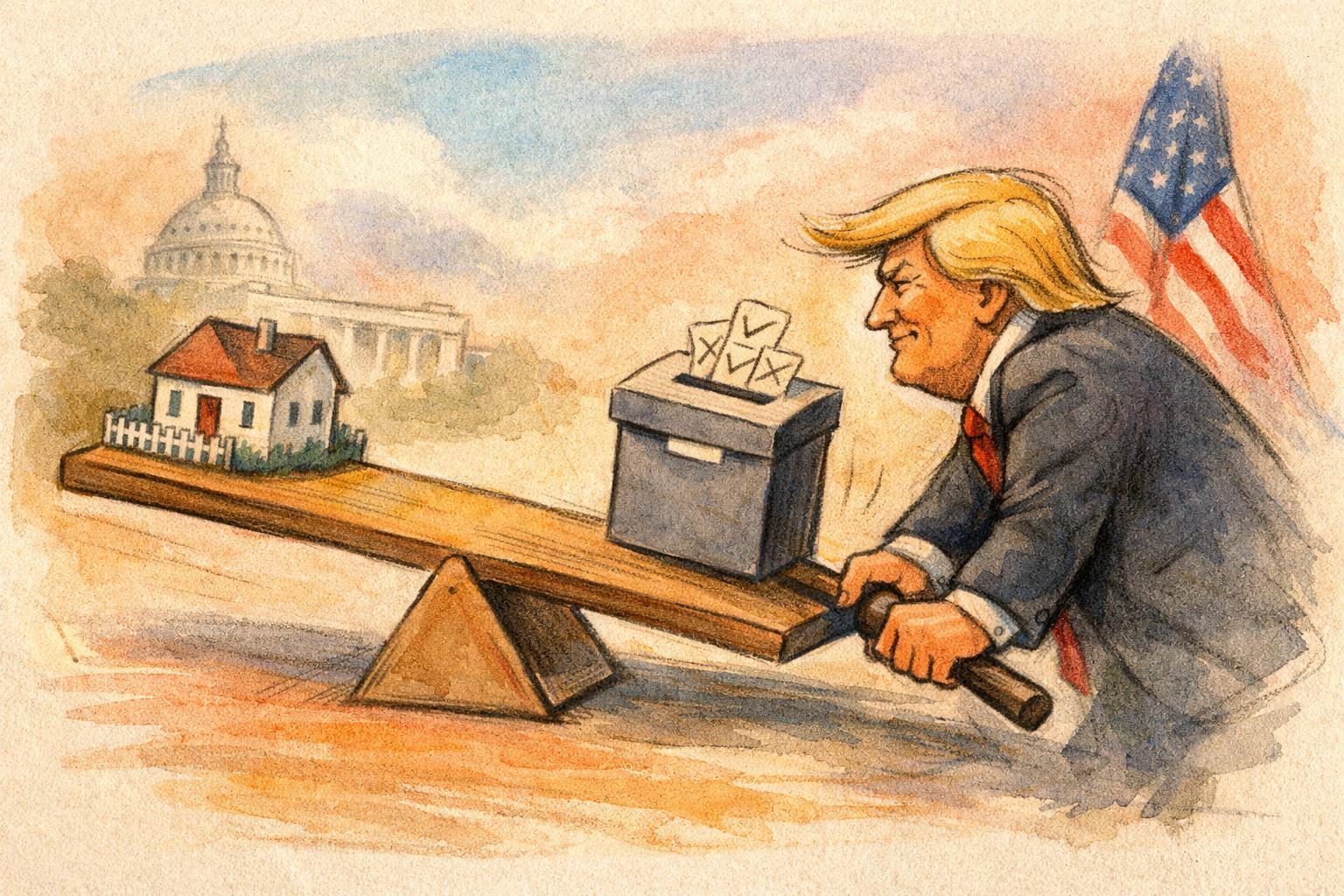
President Donald Trump said on June 24 that he would not sign a bipartisan housing bill that had cleared Congress with broad support. Under the Constitution, the measure was then on track to become law automatically on July 10 if Trump took no action before the deadline. That is what happened: the bill was allowed to lapse into law without a signature.
The housing measure, the 21st Century ROAD to Housing Act, was sent to the White House after it passed both chambers. White House photos and a canceled signing ceremony showed the administration had already stepped away from treating the bill like a normal presidential win. But the public record does not support dressing that up as a completed bargain. Trump simply announced that he would not sign it.
Trump has separately made election rules a standing issue in his administration. In March, the White House released a fact sheet and presidential action on citizenship verification and voter eligibility in federal elections, and it has continued to promote the SAVE America Act as part of that broader push. Those are distinct from the housing bill, which remained a separate piece of legislation moving on its own timetable.
The political point is straightforward. Trump did not stop the housing bill; he chose not to put his name on it. Congress then left him the smallest possible role in its final step and let the measure become law on its own. The White House can keep arguing for tighter election rules. The housing bill, meanwhile, is now law without a presidential signature.
Comments
Threaded replies, voting, and reports are live. New users still go through screening on their first approved comments.
Log in to comment
No comments yet. Be the first reasonably on-topic person here.