
Trump’s Jan. 6 clemency keeps narrowing the case record
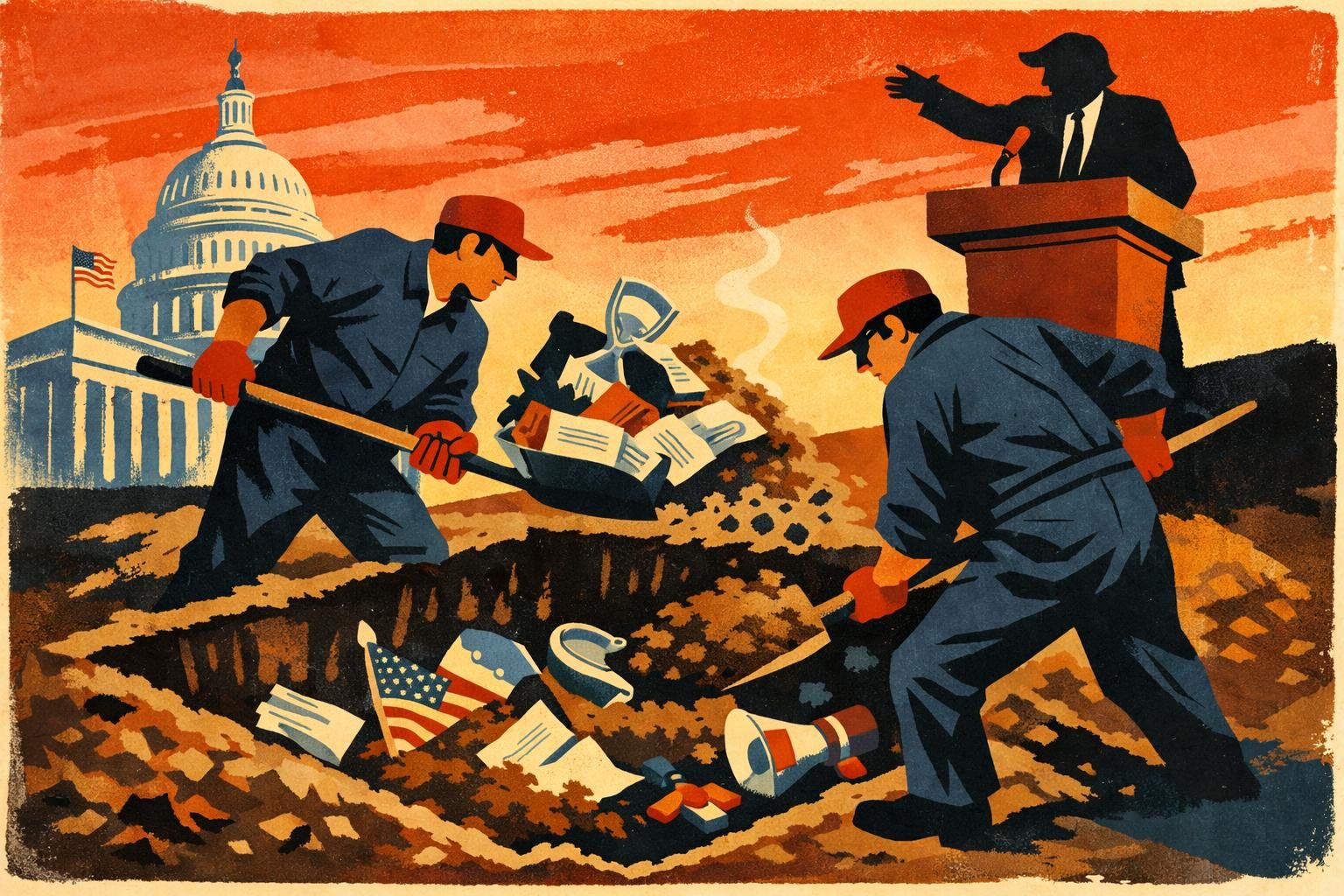
A federal judge in Washington dismissed the remaining Proud Boys seditious-conspiracy charges on Saturday, July 11, 2026, after the Justice Department asked the court to end the case in light of President Donald Trump’s Jan. 20, 2025 clemency proclamation. The Justice Department’s pardon office says Trump granted clemency that day for certain offenses tied to the Jan. 6, 2021 attack on the Capitol, and the office has since been preparing pardon certificates for people covered by the proclamation. ([justice.gov](https://www.justice.gov/pardon/president-trumps-proclamation-granting-pardons-and-commutations-sentences-certain-offenses))
The dismissal closed out the last active piece of a prosecution that had already produced major convictions and mixed verdicts. In the Proud Boys case, some defendants were convicted of seditious conspiracy, while others were convicted on different counts or acquitted on that charge. The court action did not rewrite those earlier outcomes, but it did end the remaining criminal case after the executive branch’s clemency order changed the legal footing underneath it. ([justice.gov](https://www.justice.gov/pardon/president-trumps-proclamation-granting-pardons-and-commutations-sentences-certain-offenses))
Trump has broad constitutional clemency power, and he used it on a large class of Jan. 6 defendants. The practical effect is clear in this case: once the proclamation took effect and the Justice Department moved to dismiss, the remaining Proud Boys prosecution could not continue in its prior form. That leaves the record intact, but thinner than it was before the pardon and dismissal process began. ([justice.gov](https://www.justice.gov/pardon/president-trumps-proclamation-granting-pardons-and-commutations-sentences-certain-offenses))
What the ruling does not do is erase the underlying facts of Jan. 6. It does, however, show how quickly a change in presidential power can alter the legal aftermath of an attack on the transfer of power. In this case, the court ended what was left of the prosecution because the government said Trump’s clemency proclamation foreclosed continuing it. ([justice.gov](https://www.justice.gov/pardon/president-trumps-proclamation-granting-pardons-and-commutations-sentences-certain-offenses))
Comments
Threaded replies, voting, and reports are live. New users still go through screening on their first approved comments.
Log in to comment
No comments yet. Be the first reasonably on-topic person here.