
White House sells NATO win as a clean break; the paperwork is still the story
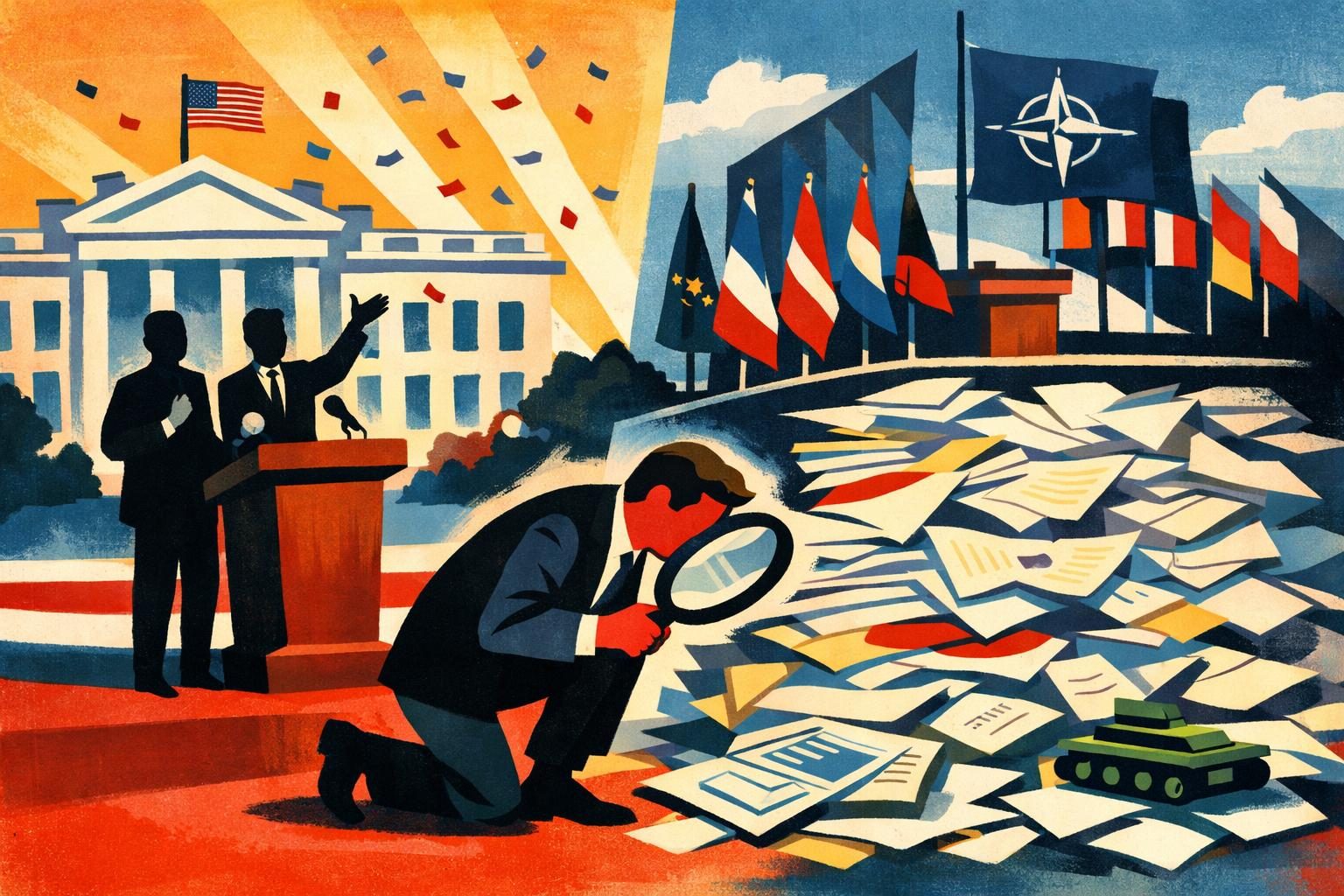
The White House is selling the Ankara NATO summit as proof that years of pressure on allies have finally begun to pay off in hard industrial terms. In its July 8 fact sheet, the administration cast the meeting as a milestone for allied burden-sharing and for American manufacturing, arguing that NATO members are buying more defense equipment and that those purchases are helping power U.S. industry. NATO’s own public statements from the summit offered support for the broader narrative, pointing to new industrial initiatives, fresh procurement announcements, and a revised approach to cooperation with defense firms. Taken together, the materials make a persuasive political case that the alliance is moving toward a more production-minded posture. They do not, however, answer the more practical question that ultimately matters: how much of this is real output, and how much is still official language waiting for execution.
The basic chronology is clear enough. NATO said the summit concluded on July 8 after two days in Ankara, and the alliance used that window to roll out a series of related announcements. On July 7, NATO introduced the NATO Front Door for Industry and the NATO Engine, two efforts designed to make it easier for companies to engage with the alliance and to expand production capacity across allied borders. On July 8, NATO released its Strategy for Industry-NATO Cooperation and said a more detailed implementation plan would be developed with industry. In policy terms, that is meaningful because it signals an effort to streamline access, speed up procurement, and create a more organized relationship between governments and suppliers. But it is still a framework rather than a finished product. Strategy papers can point industry in a new direction, yet they do not by themselves create factory output, guarantee supply-chain resilience, or force national procurement systems to move at the same speed. The White House can point to the launch as evidence of momentum, but the implementation burden remains ahead.
The summit also came with numbers that sound large enough to make the political case on their own. NATO said major new procurements were unveiled at the Defence Industry Forum in Ankara, and another alliance release said governments and industry announced more than EUR 50 billion in new procurement deals. Separately, the White House said NATO allies procured more than $54 billion in defense equipment from the United States in 2025, presenting that figure as evidence that allied spending is already feeding American workers and industrial capacity. Those totals are useful for the administration because they let it tell two stories at once: that allies are carrying more of the burden, and that U.S. factories are benefiting from the result. The problem is that the public documents do not fully sort out how much of the announced money reflects new spending decisions, how much was already in motion, and how much is still contingent on contracts, budget approvals, and delivery schedules. That is not a minor distinction. In defense procurement, headline figures can look dramatic long before any weapons are actually built, shipped, and fielded.
That gap between announcement and execution is where the real story sits. Nothing in the official record suggests the summit was empty theater; the alliance clearly used the meeting to advance new industrial mechanisms and publicize a substantial batch of procurement plans. But the materials also stop short of proving that the summit produced fully locked-in programs with all the details that determine whether production really accelerates. The releases describe commitments, strategies, and intended next steps, while leaving open the operational questions that matter most: which contracts are already signed, which ones are still negotiating terms, what the delivery timelines look like, and how national governments will enforce the promises once the diplomatic spotlight fades. That leaves the White House in a familiar position. It can reasonably claim a political win because the summit gave it a clean story about allied investment and industrial strength. It cannot yet claim the industrial end state with the same confidence, because the public paperwork still reads more like a map than a destination.
That is why the most accurate reading of Ankara is narrower than the celebration surrounding it. The summit did produce a real set of public actions: new industry-access initiatives, a formal cooperation strategy, and procurement announcements measured in tens of billions of euros and dollars. Those are not trivial developments, and they are enough to support the White House’s argument that pressure on allies can produce visible movement. Still, the official documents are much better at proving that a message was launched than that the underlying machinery has already changed in a durable way. The next test is whether NATO’s new industrial tools translate into faster procurement, steadier production, and more predictable delivery across the alliance. If they do, the administration will have a genuine example of political leverage turning into industrial capacity. If they do not, the summit will look like another well-packaged victory lap built around commitments that took on more weight in the briefing room than in the factory. For now, the paperwork says progress, but the practical scoreboard is still waiting for the first real numbers.
Comments
Threaded replies, voting, and reports are live. New users still go through screening on their first approved comments.
Log in to comment
No comments yet. Be the first reasonably on-topic person here.