
Trump Gives Selected Chemical Facilities Two-Year Delay on Some Air-Toxics Deadlines
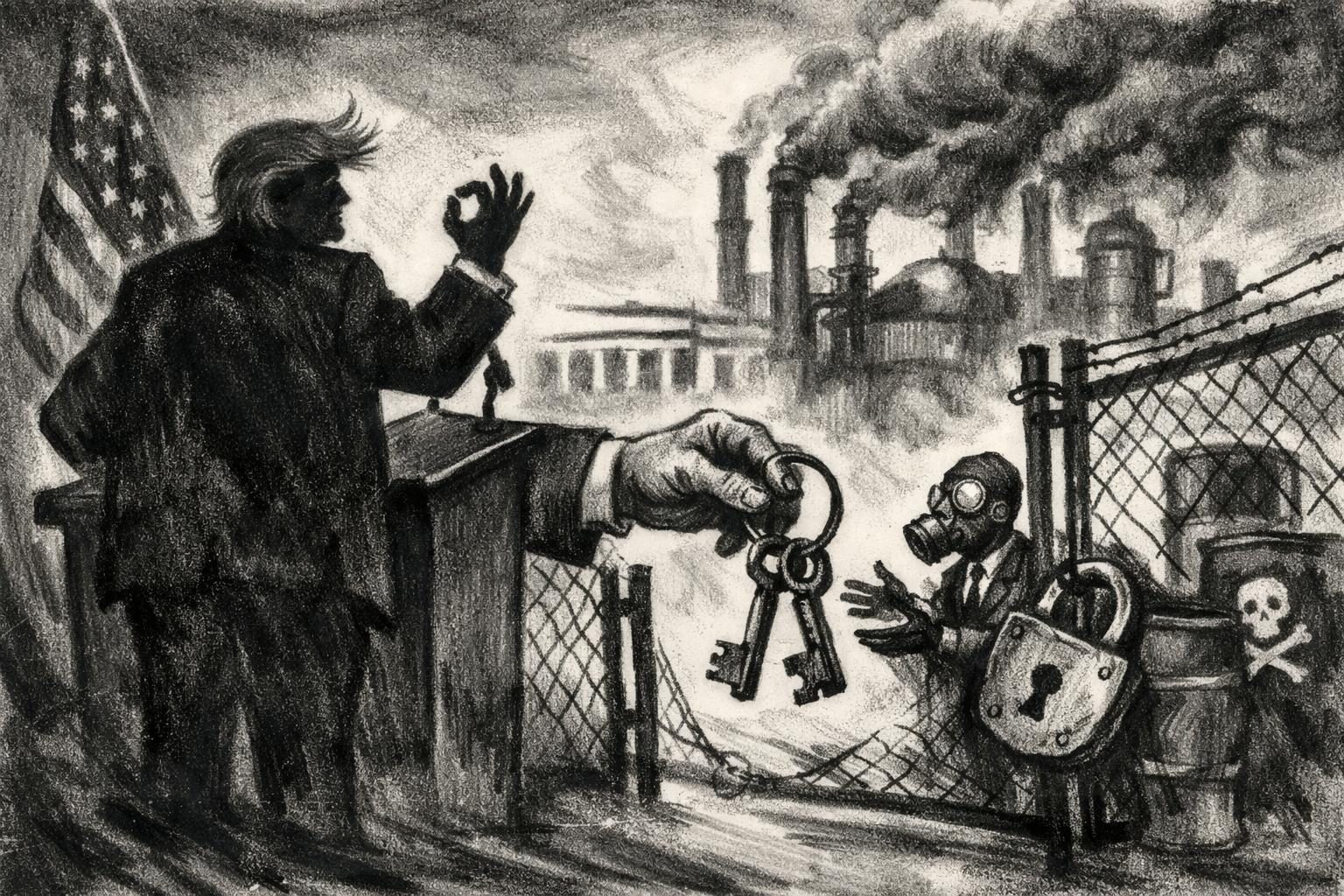
President Donald Trump’s July 13 proclamation gives specified stationary sources listed in Annex I a two-year exemption from certain compliance deadlines under EPA’s Hazardous Organic NESHAP, or HON Rule. The White House says the move is intended to support American chemical manufacturing security and ease burdens on the covered facilities.
The order does not repeal the underlying air-toxics framework. EPA’s HON program remains the national standard for the synthetic organic chemical manufacturing industry. What changes for the listed sources is timing: the proclamation extends the relevant deadlines for the covered HON Rule requirements by two years.
That scope matters. This is not a blanket delay for the chemical sector, and it does not suspend EPA air rules across the board. The exemption applies only to the stationary sources named in Annex I and only to the specific HON Rule provisions identified in the proclamation. The White House says those sources remain subject during the exemption period to the pre-HON Rule obligations that would otherwise apply.
The practical effect is narrower than the politics around it. A limited set of facilities gets more time before federal air-toxics controls take effect, which can affect project schedules, equipment upgrades, and emissions-control plans. For communities near the affected sites, the result is simpler: the deadlines for those protections move out by two years.
The administration is framing the proclamation as a targeted way to reduce disruption and keep domestic production moving. The tradeoff is equally clear. The standard stays on the books, but the listed facilities get a longer runway before they have to meet some of its requirements.
Comments
Threaded replies, voting, and reports are live. New users still go through screening on their first approved comments.
Log in to comment
No comments yet. Be the first reasonably on-topic person here.