
FEC deadline puts Trump-world money filings on the clock
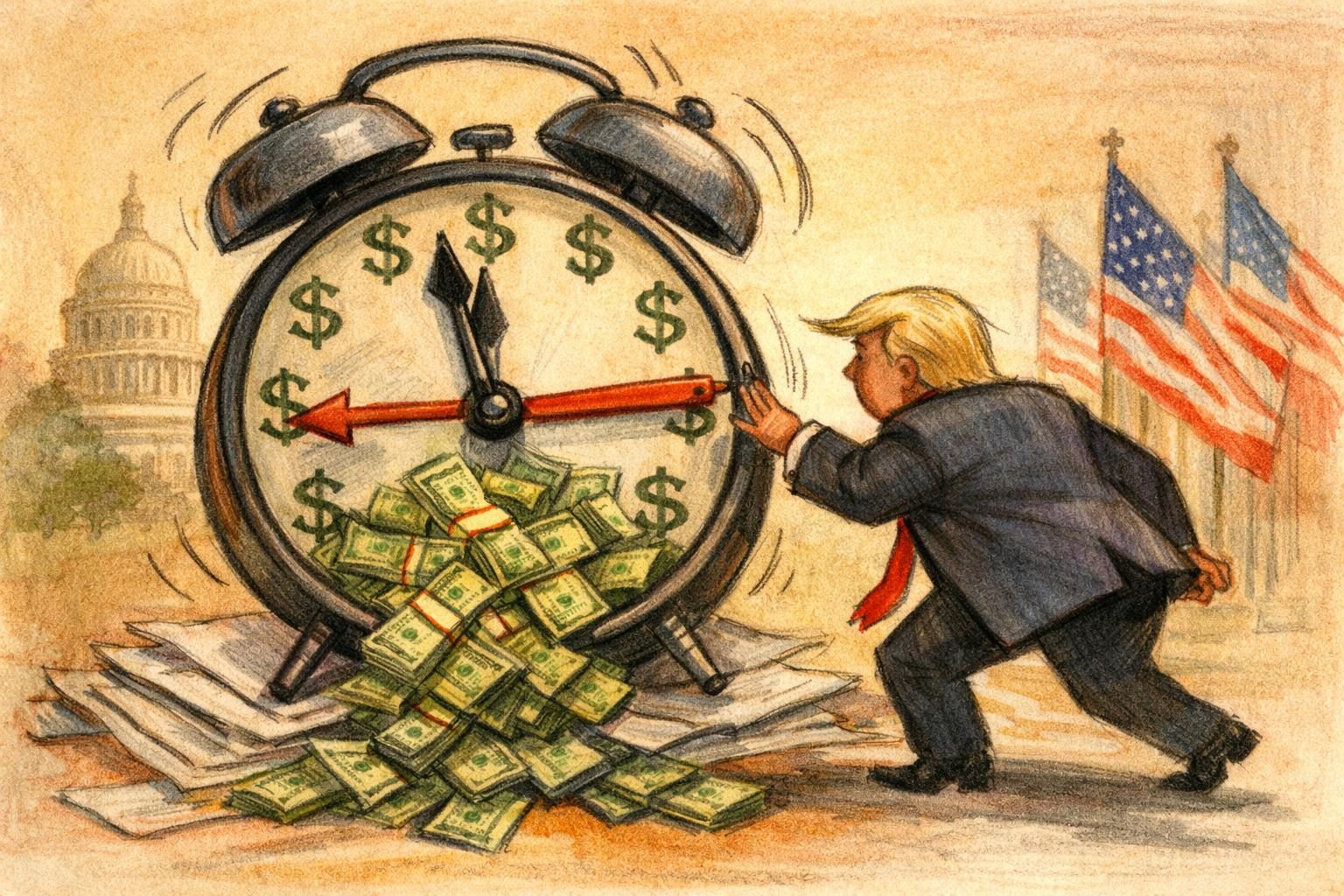
July 15 is one of those campaign-finance dates that looks bureaucratic on the surface and turns into a small public reckoning the moment the filings land. For a broad swath of federal committees, it is the quarterly reporting deadline, and that means the books for the latest period have to be turned in now. Quarterly House and Senate committees are on the clock, along with quarterly presidential committees, quarterly PACs, and party committees that report on that schedule. Those filings are not voluntary, and once they are submitted they become part of the public record, available for anyone willing to dig through the forms. The Federal Election Commission’s calendar also makes clear that not every committee in the presidential universe reports the same way, which matters because this is the sort of detail that gets flattened fast when political narratives start flying. Some presidential committees file monthly rather than quarterly, and for June activity they face a separate July 20 deadline. So July 15 is a real disclosure checkpoint, but not a universal one, and that distinction is important if the goal is to understand the money picture instead of just score a talking point.
That timing matters especially for Trump-world observers, because fundraising and spending reports are among the few places where political operations have to show their work. A campaign or allied committee can claim momentum, project strength, and flood the zone with messaging, but the forms still have to list receipts, disbursements, debts, and cash on hand. That creates a paper trail that can reveal whether a political machine is flush, merely keeping pace, or carrying more obligations than it is advertising. It can also show whether money is coming in steadily or getting harder to raise, whether spending is being directed toward growth or defense, and whether the committee is living comfortably within its means. None of that will settle the larger argument over political strength by itself, and quarterly filings never do. But they do make it much harder to keep the numbers vague. Once the ledger is public, the spin has to compete with the math, and for a political brand built on narrative control, that is an uncomfortable sort of transparency.
The split between quarterly and monthly reporting also means that anyone trying to read the Trump financial picture has to be careful not to treat a single deadline as the whole story. The July 15 batch will cover a wide set of committees tied to federal politics, but some of the most watched presidential entities may not show up in that pile if they are on the monthly schedule. Their June activity is due July 20, which means the full picture arrives in pieces rather than all at once. That can produce a familiar and often misleading cycle: one set of filings gets treated as definitive, then another wave arrives and changes the context. The calendar itself is the warning label. It tells reporters, rivals, and supporters that comparisons need to be made carefully and that the apparent timing of disclosures may have more to do with compliance rules than with any deliberate strategy. In practice, that means the first wave of reports is still useful, but only as a snapshot rather than a final verdict. It can suggest strength or strain, but it should not be mistaken for the complete balance sheet of the political operation around Trump.
Even so, the reports due this week are meaningful because they will push the finances out of rumor territory and into a place where they can be checked line by line. The forms should show how much money came in, how much went out, what debts remain, and how much cash is sitting on hand. That is the basic mechanism of campaign-finance disclosure, but it is also why filing deadlines become political events in their own right. They force committees to put numbers to claims, and that can expose the gap between a movement’s rhetoric and its actual resources. If the figures show strength, they give allies something to brag about. If they show stress, they give critics a document to cite. Either way, the filings become a reality check, and that matters in a political environment where image often travels faster than accounting. The documents may not deliver a dramatic single revelation, but they will create an official snapshot of who is raising, who is spending, and who may be carrying more baggage than the public messaging suggests.
In that sense, July 15 is not dramatic because the date itself is unusual. It is dramatic because the calendar forces a pause in which money has to be translated into numbers. That is usually the part of politics that campaigns try to manage most carefully, since raw financial data can undercut the impression they want to project. For Trump’s political orbit, the filings are worth watching for the same reason many compliance deadlines are worth watching: they give the public something beyond the slogans. The reports will not answer every strategic question, and they will not resolve every dispute about the durability of the Trump machine. They may not even produce one headline-grabbing surprise. But they will show how the operation is functioning in the most concrete way available, and that is often where the real story sits. The public record will soon say what the committees can afford to say, what they have already spent, and what they are still carrying forward. In a world built on performance, that kind of paperwork is often the closest thing to a truth serum.
Comments
Threaded replies, voting, and reports are live. New users still go through screening on their first approved comments.
Log in to comment
No comments yet. Be the first reasonably on-topic person here.