
Trump’s election-integrity rollout offers claims, not proof
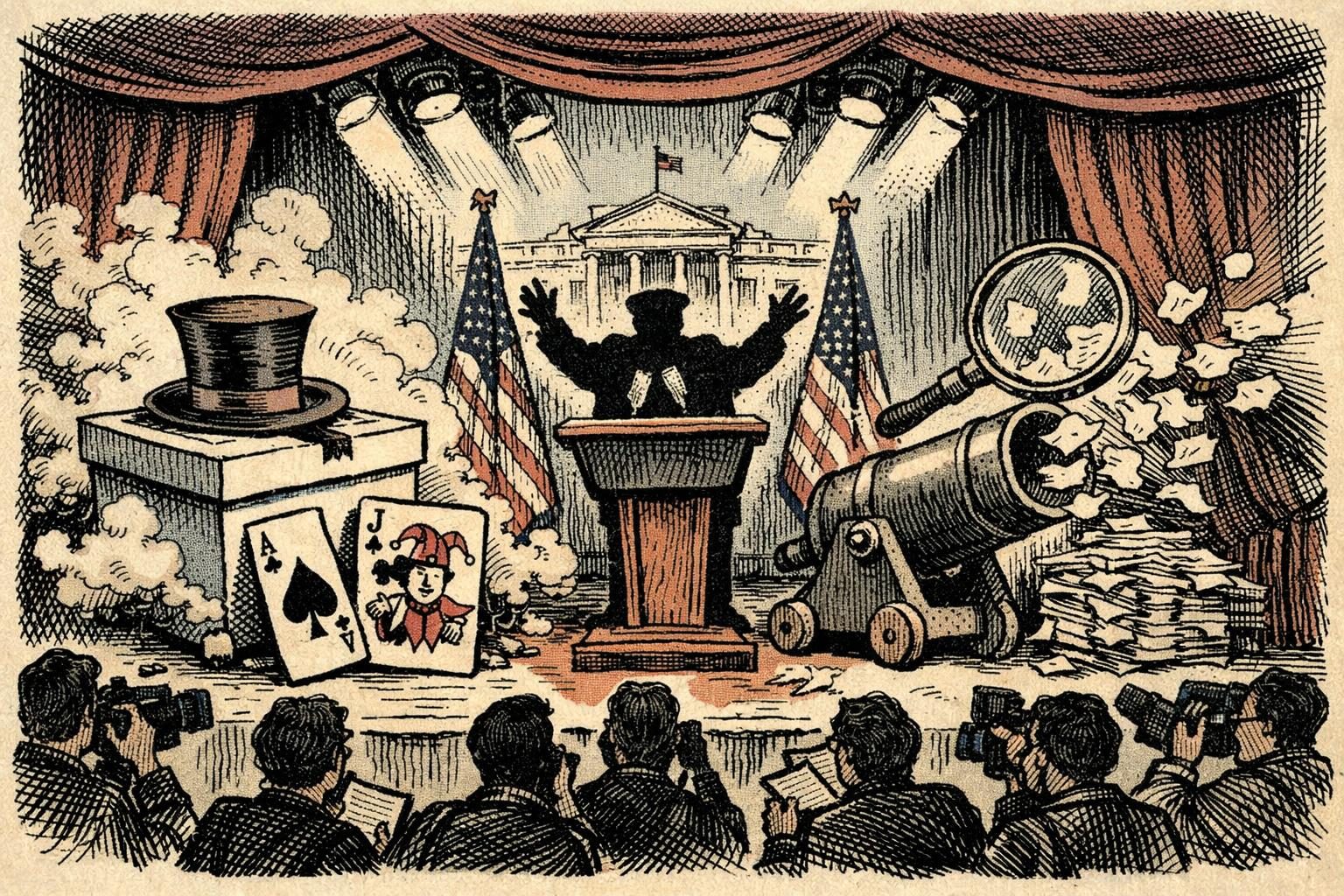
On July 17, 2026, the White House rolled out a declassification package it cast as evidence of foreign election interference, compromised voter data, and intelligence officials hiding important information from the public. The administration said the material showed serious vulnerabilities in U.S. election systems and, in its own telling, detailed foreign activity that should have been disclosed sooner. It was a forceful presentation. It was not, on the record made public so far, proof that the 2020 election outcome was changed. ([whitehouse.gov](https://www.whitehouse.gov/releases/2026/07/setting-the-record-straight-president-trump-declassifies-intel-on-foreign-election-interference-deep-state-coverup/?query-11-page=2&utm_source=openai))
That distinction is the whole fight. The White House’s release says the files include reporting on foreign interference, cybersecurity weaknesses, and sensitive voter information. But the official 2021 Justice Department and Homeland Security statement already said the departments found no evidence that any foreign government-affiliated actor manipulated election results or otherwise compromised the integrity of the 2020 federal elections. Those findings matter because they draw the line between intrusion and outcome: foreign actors can probe, target, or disrupt without altering vote totals or certified results. ([justice.gov](https://www.justice.gov/archives/opa/pr/joint-statement-departments-justice-and-homeland-security-assessing-impact-foreign?utm_source=openai))
The administration’s argument is broader than the evidence it has made public. Its own materials say election systems were vulnerable and that foreign actors gathered sensitive data. That is a serious claim, and one that deserves scrutiny. But vulnerability is not the same thing as a flipped result, and intelligence reporting is not the same thing as a verified tabulation error. The White House can argue that past disclosures were incomplete, or that agencies failed to warn the public loudly enough. What it cannot show, from the documents and official assessments cited so far, is that foreign interference changed the certified outcome in 2020. ([whitehouse.gov](https://www.whitehouse.gov/releases/2026/07/setting-the-record-straight-president-trump-declassifies-intel-on-foreign-election-interference-deep-state-coverup/?query-11-page=2&utm_source=openai))
That gap is why the rollout reads as political theater with paperwork attached. Declassification can illuminate real threats, and election security is a legitimate public concern. It can also be used to wrap old allegations in the authority of a new document dump. Here, the White House has certainly made its case that elections can be targeted and that federal agencies can be opaque. It has not made the separate, much larger case that the 2020 election was secretly reversed by foreign interference. The record cited in the rollout does not get that far. ([whitehouse.gov](https://www.whitehouse.gov/releases/2026/07/setting-the-record-straight-president-trump-declassifies-intel-on-foreign-election-interference-deep-state-coverup/?query-11-page=2&utm_source=openai))
Comments
Threaded replies, voting, and reports are live. New users still go through screening on their first approved comments.
Log in to comment
No comments yet. Be the first reasonably on-topic person here.