
Trump Turns Declassified Election Intel Into a Victory Lap Against the ‘Deep State’
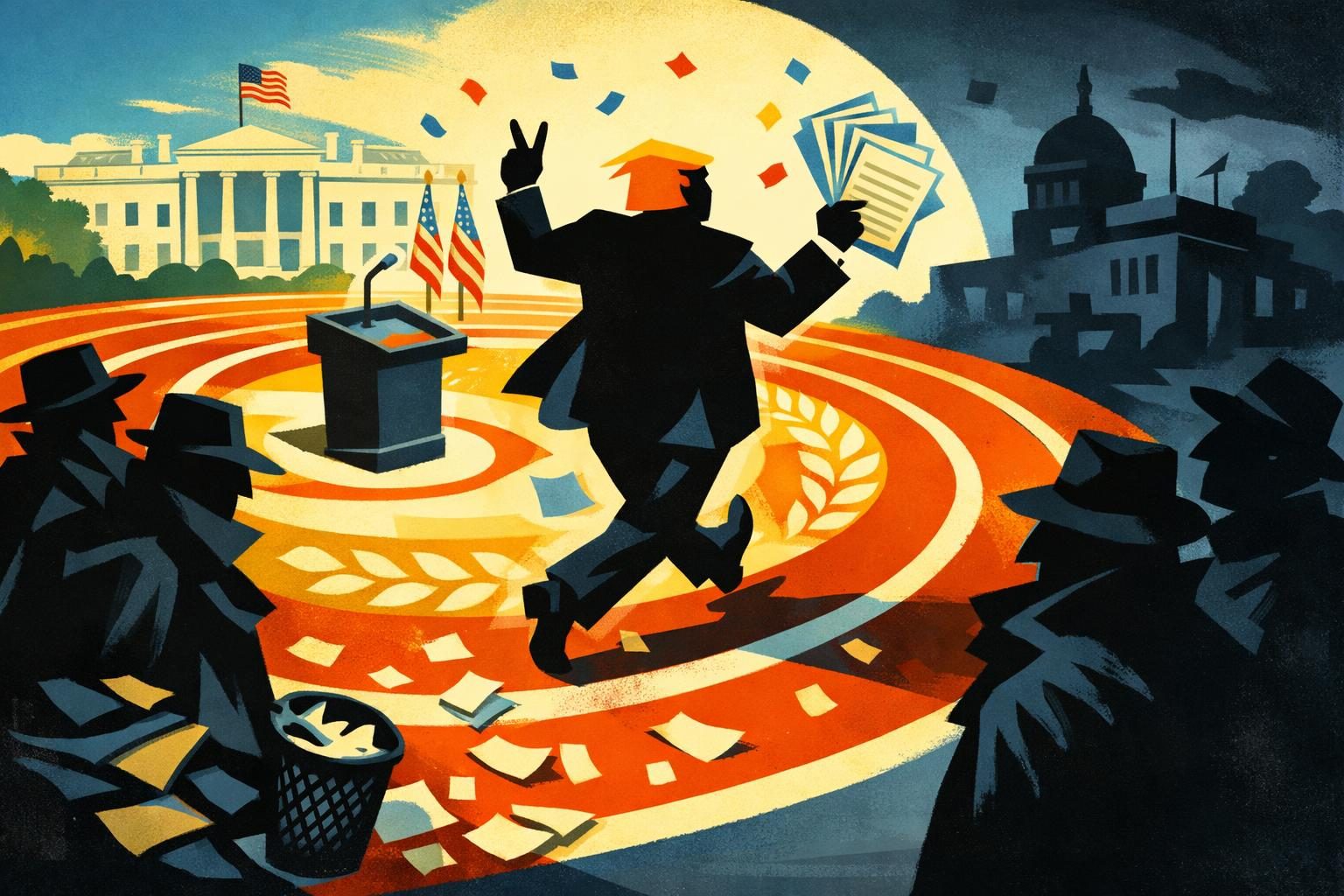
On July 17, the White House tried to turn a classified-information release into a public victory lap, rolling out declassified material it says points to foreign election interference, weaknesses in U.S. election infrastructure, and efforts by intelligence officials to withhold information from the president and the public. The administration paired that release with a second, highly promotional statement framed as a roundup of praise, and the combination made the day feel less like a sober national-security disclosure than a carefully staged political event. The underlying message was unmistakable: the president wanted the declassification itself to serve as evidence of his own vindication. In the White House telling, the documents are not just evidence of what happened, but proof that a hidden bureaucracy worked against him. That is a potent storyline, especially for supporters already inclined to believe the intelligence system has been politicized, but it also means the release was built as much for political impact as for public understanding.
That distinction matters because declassification is not the same thing as full disclosure. A government can reveal real material and still shape what the public is meant to take from it, and the White House’s framing left little doubt that interpretation was part of the plan. The release described the material as explosive and cast the president as the one person willing to expose what others supposedly kept buried. Yet the public-facing presentation did not fully map out the evidence in a way that would let outside observers quickly judge its weight without working through the documents themselves. That leaves a gap between the rhetoric and the record. If the material is as serious as the administration says, then the case for it should stand on its own. Instead, the White House leaned hard on language that suggested revelation while leaving much of the evidentiary burden to anyone willing to dig through the underlying files. The result is a familiar problem in modern governance: the release may be real, but the packaging is doing a great deal of work.
That packaging also fits a broader Trump pattern. He has long treated classified material as both a shield and a weapon, something to be withheld when useful and exposed when politically advantageous. In this case, the administration used declassification to reinforce a narrative about a “deep state” that allegedly concealed information from the elected president and manipulated what the public was allowed to know. Once that frame is set, skepticism becomes suspect and disagreement can be dismissed as more coverup. It is an effective political tactic because it converts ordinary scrutiny into disloyalty, but it comes at a cost. Legitimate questions about foreign interference, cybersecurity, and election administration get absorbed into the larger drama of grievance and revenge. Instead of separating national-security concerns from partisan combat, the White House made them harder to disentangle. That does not mean the underlying issues are imaginary. It means the administration is presenting them in a way that maximizes political heat and minimizes analytical clarity.
There is also a governance problem underneath the spectacle. Declassification is supposed to clarify what the government knew, when it knew it, and how it handled sensitive information, particularly when the subject is as serious as election security. The White House, however, appears to have turned the act into a messaging platform first and a transparency exercise second. By branding the release as a triumph over hidden bureaucrats and then amplifying it with celebratory spin, the administration risked reducing a serious national-security tool to another campaign asset. That may energize loyalists and punish internal enemies in the court of public opinion, but it does little to build durable trust. If the goal is to persuade the public that election systems are vulnerable and that intelligence institutions mishandled relevant information, the strongest case would be a record that can withstand skeptical review without constant rhetorical scaffolding. Instead, the White House chose a presentation designed to thrill its base, deepen suspicion of the intelligence community, and keep the president at the center of the story. That is politically shrewd and institutionally corrosive, which is exactly why it reads like such a classic Trump-era screwup: a serious issue folded into a triumphant narrative until the policy content is nearly indistinguishable from the performance.
Comments
Threaded replies, voting, and reports are live. New users still go through screening on their first approved comments.
Log in to comment
No comments yet. Be the first reasonably on-topic person here.