
Trump’s temporary tariff surcharge is set to expire July 24 as the White House looks for what comes next
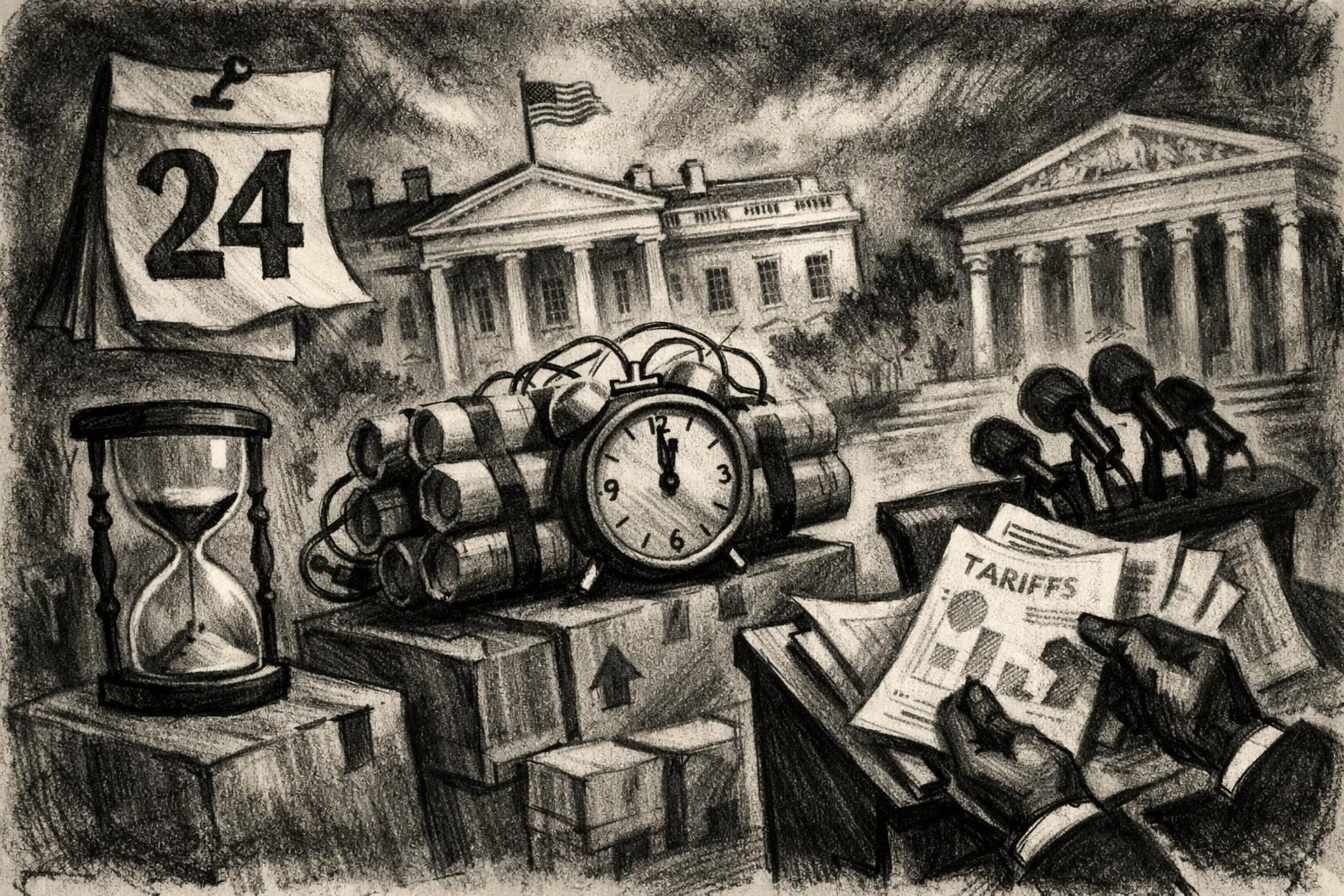
The White House put a date on its temporary import surcharge when it announced the policy in February: July 24, 2026. The duty, set at 10% and imposed under Section 122 of the Trade Act of 1974, took effect on February 24 after the administration said it was responding to a balance-of-payments problem. That made the tariff a stopgap from the start, not a permanent trade regime.
The legal backdrop shifted quickly. On February 20, 2026, the Supreme Court rejected the administration’s earlier effort to rely on the International Emergency Economic Powers Act for the kind of tariff program it had been operating. That ruling left the White House with a narrower path and pushed officials to look for other authorities to keep tariff pressure in place once the temporary surcharge runs out.
By mid-July, though, the replacement was still not finished. Administration officials had been expected to move to other tariff tools, including Section 301, but as of July 16 and July 21 that swap had not been completed. The result is a policy that remains live for now, but only because of a deadline written into the original proclamation.
That matters because import duties do not exist only on paper. They shape contracts, shipping schedules, inventory decisions and landed costs. Companies trying to plan around the July 24 expiration have to weigh not just whether the current surcharge disappears, but whether any new tariff action arrives in time and under what legal authority it would be imposed. For now, the administration’s tariff posture is still anchored to a temporary measure with a built-in end date, and the next step has not yet been locked down.
Comments
Threaded replies, voting, and reports are live. New users still go through screening on their first approved comments.
Log in to comment
No comments yet. Be the first reasonably on-topic person here.