
Trump’s AI data-center push runs into the grid
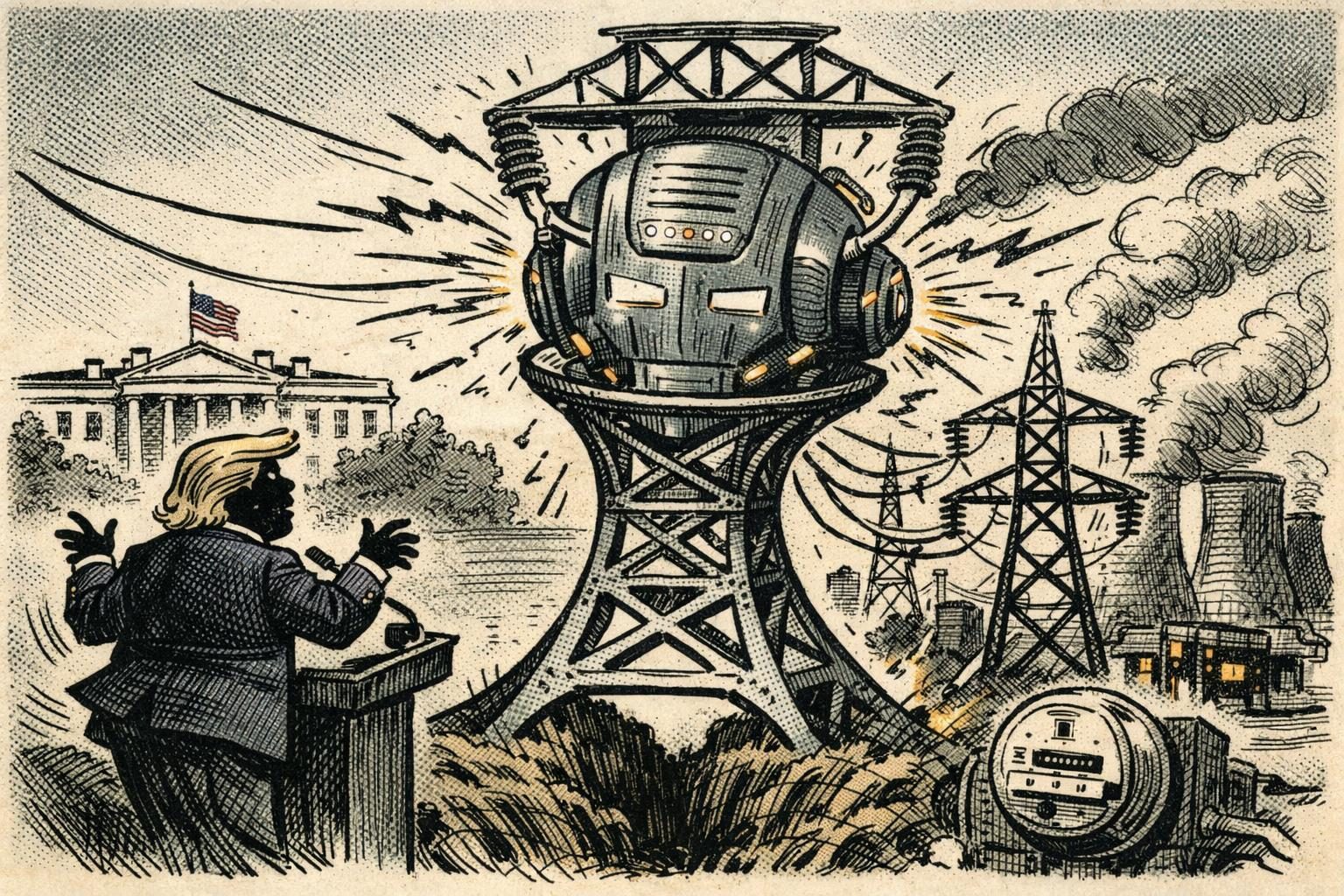
The White House spent March laying out a simple political message with complicated electrical consequences: if AI companies want to keep building data centers, they should also help figure out how to power them. On March 4, the administration’s Ratepayer Protection Pledge told participating companies to build, bring, or buy the generation their facilities need, pay for the transmission and delivery upgrades tied to those projects, and work out separate rate structures with utilities and state regulators. It also called for coordination with grid operators and, where practical, the use of backup generation during shortages and emergencies.
Three weeks later, the White House’s national AI framework carried the same idea into legislative language. It urged Congress to prevent residential customers from being stuck with higher electricity bills because of new AI data-center demand, and it asked lawmakers to streamline permitting so developers can build or procure on-site and behind-the-meter power. Read together, the two documents show the administration treating electricity supply, interconnection, and cost allocation as central policy questions for the AI buildout. That is an inference from the documents, not a direct admission that the grid is on the brink of failure.
The hard part is that the fixes in the papers are slower than the projects they are meant to serve. A data center can be announced in months; transmission upgrades, substations, generating plants, and interconnection approvals usually cannot. Even when a company pursues its own generation, it still has to line up land, permits, fuel, equipment, and whatever grid connection the facility needs. That is why the White House keeps returning to separate rate arrangements and faster permitting: the policy goal is to keep household bills from absorbing the cost of a corporate power surge while making room for the new load.
Politically, the pitch is easy to sell. No one wants to explain to voters why a giant AI project showed up on the family utility bill. Practically, though, the administration is asking state regulators, utilities, and Congress to move in sync on a timeline the power sector rarely matches. The documents do not solve that problem. They do make clear that AI expansion now depends on the same old bottlenecks that shape every major energy project: wires, equipment, permits, and the long wait between a plan and a functioning megawatt.
Comments
Threaded replies, voting, and reports are live. New users still go through screening on their first approved comments.
Log in to comment
No comments yet. Be the first reasonably on-topic person here.